Pilgrimage sites of India
Significance, routes and travel preparation
Pilgrimages by state
PilgrimagePilgrimage places in Maharashtra
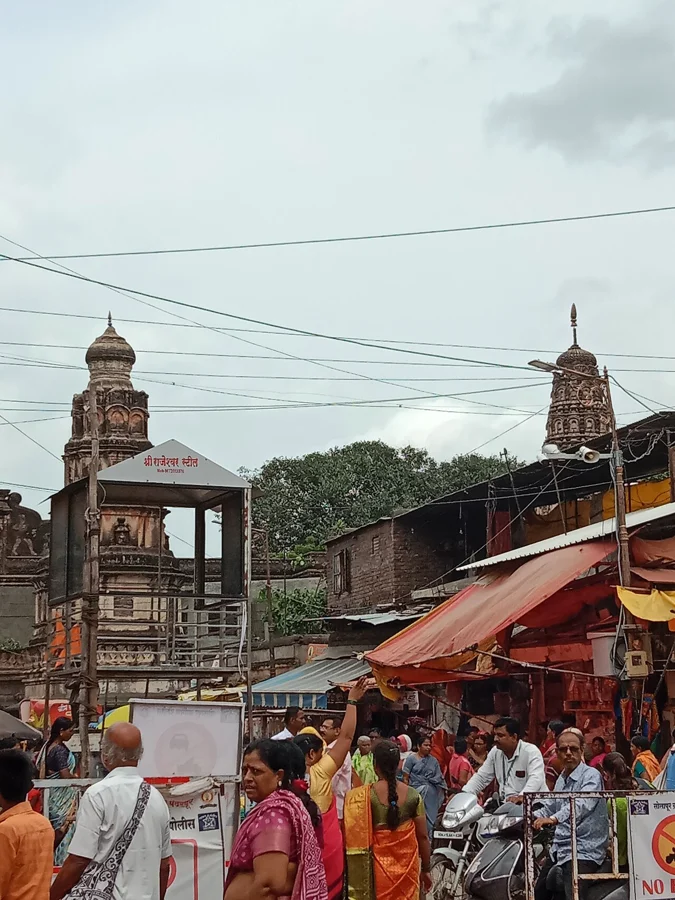
Pandharpur: Vitthal–Rukmini
Pandharpur on the Chandrabhaga is central to Warkari devotion; the tradition links Vitthal standing on a brick with Pundalik’s service.
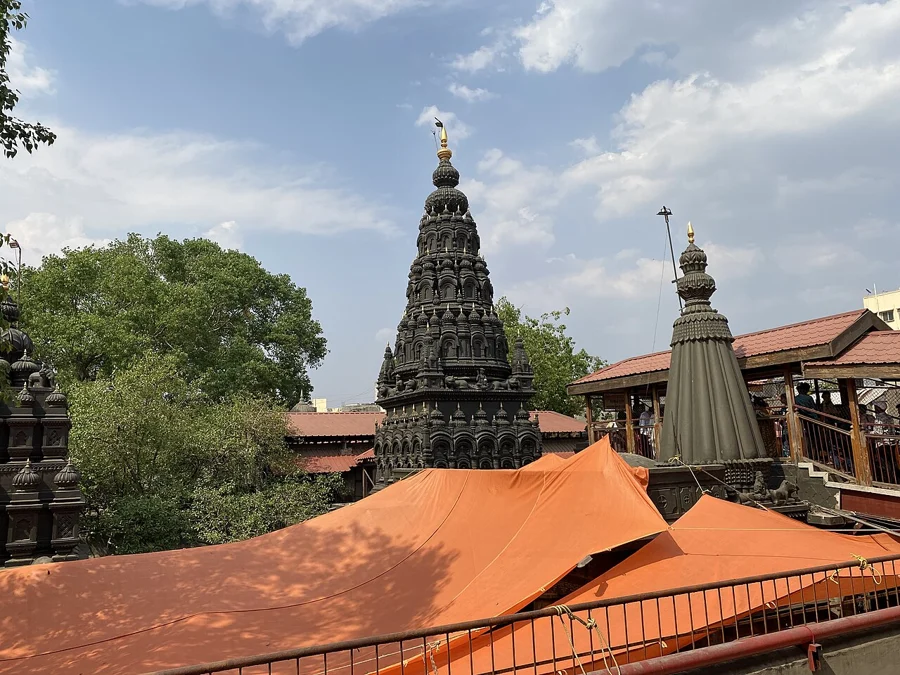
Alandi: Sant Dnyaneshwar samadhi
Alandi on the Indrayani is revered for Dnyaneshwar’s sanjeevan samadhi and the traditions of the Dnyaneshwari and Ashadhi palkhi.
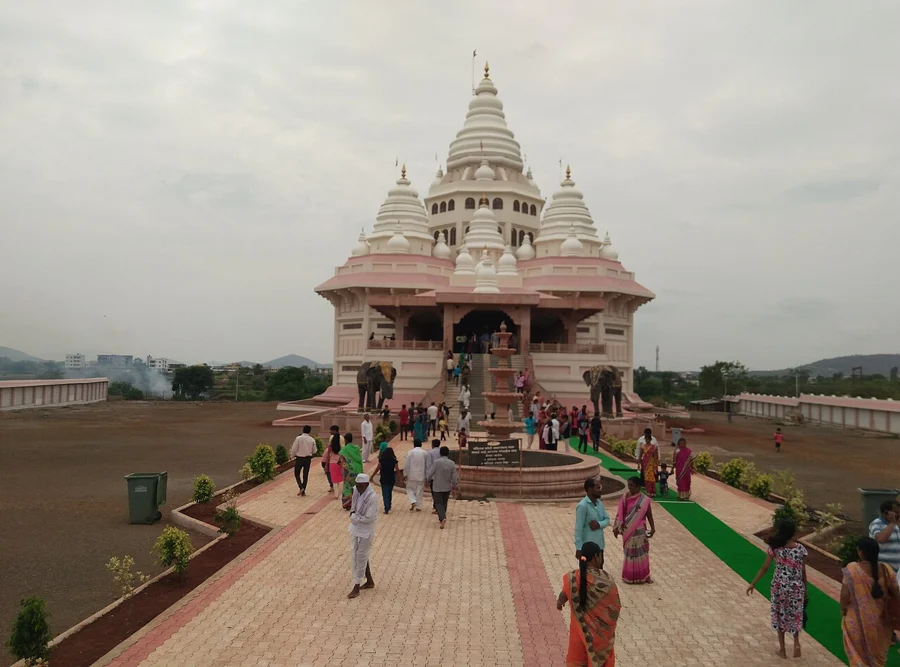
Dehu: Sant Tukaram
Dehu is associated with Tukaram’s life and work, the Indrayani, Vitthal worship, abhang poetry and the palkhi tradition.
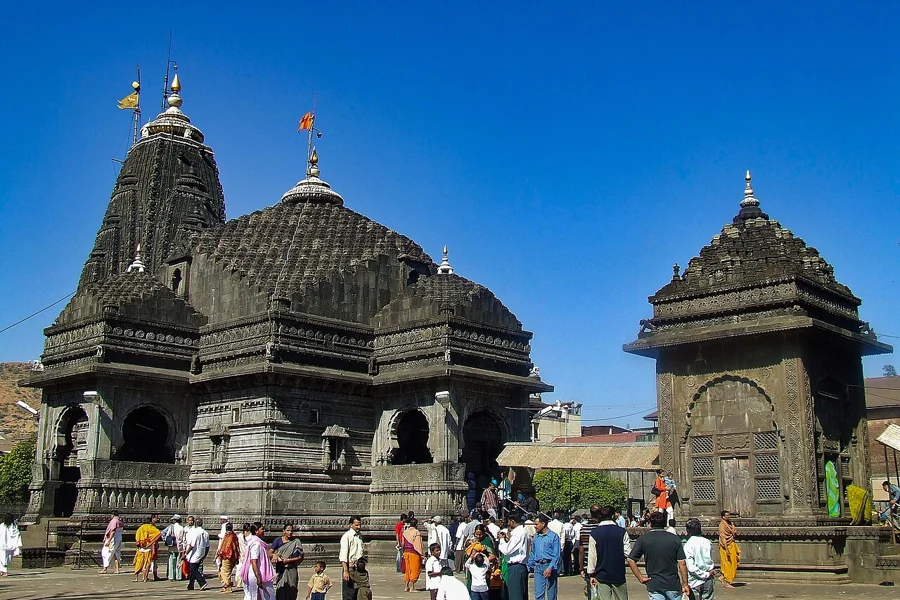
Trimbakeshwar: Jyotirlinga
Trimbakeshwar below Brahmagiri is a Jyotirlinga linked with the Godavari’s origin tradition; Kushavart and the main temple are separate stops.
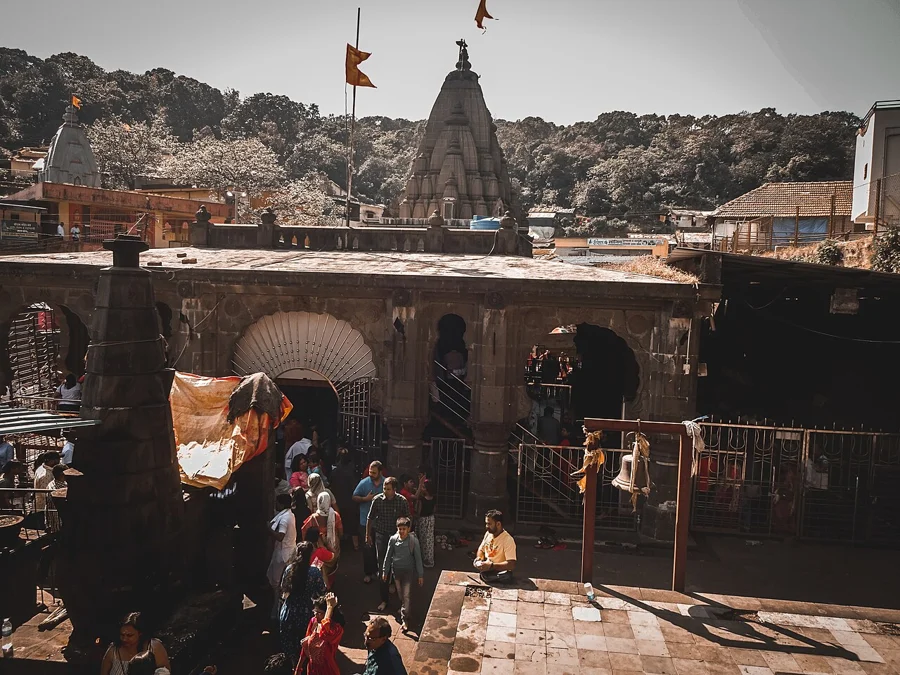
Bhimashankar: Shiva in the Sahyadris
Bhimashankar is a major Jyotirlinga pilgrimage in the Sahyadris, associated with the Bhima’s origin tradition and a surrounding forest landscape.
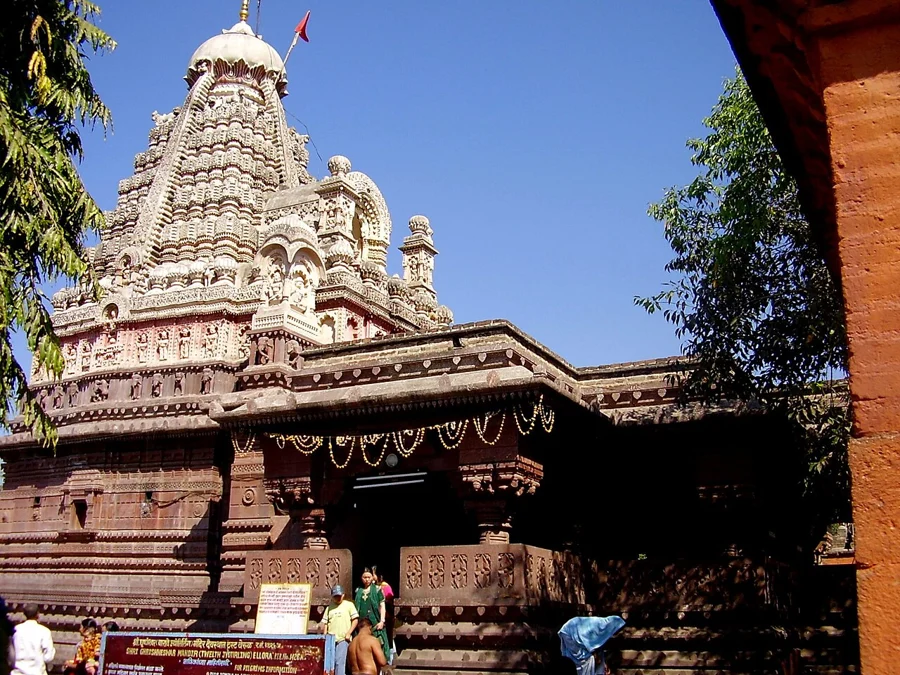
Grishneshwar: Jyotirlinga at Verul
Grishneshwar at Verul is a Jyotirlinga shrine whose restoration is associated with Ahilyabai Holkar; Ellora cave admission is separate from temple access.
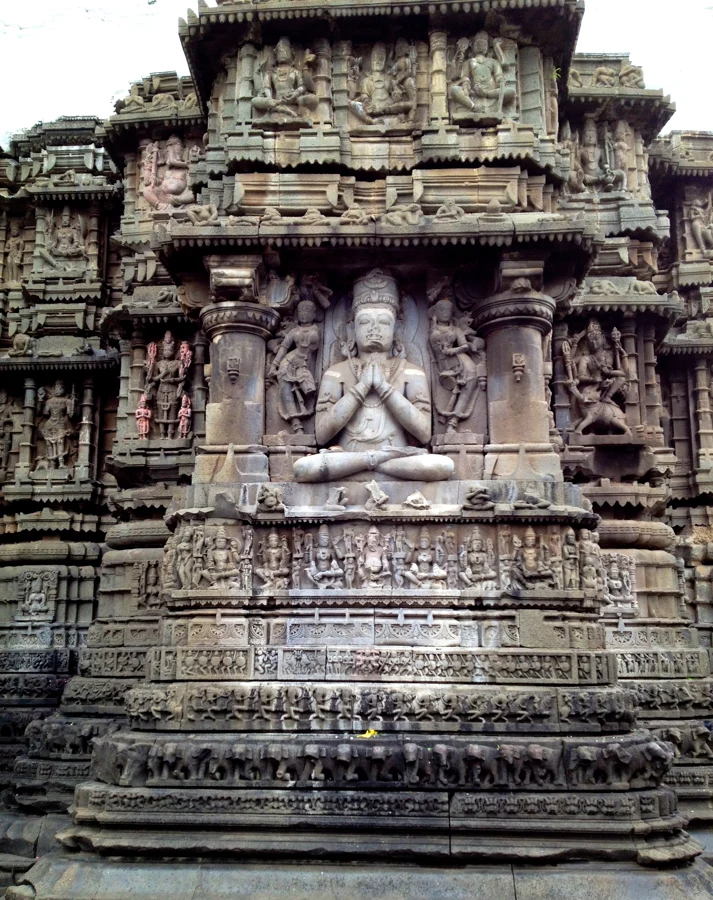
Aundha Nagnath
Aundha Nagnath in Hingoli is revered in Maharashtra’s Nagesh Jyotirlinga tradition; other regions also maintain traditions identifying that Jyotirlinga.
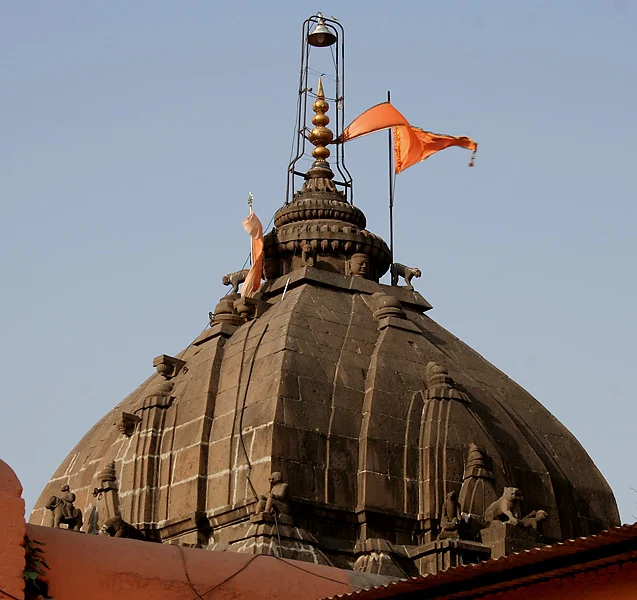
Parli Vaijnath
Parli Vaijnath in Beed belongs to Maharashtra’s Vaidyanath Jyotirlinga tradition; Deoghar and other places also have devotional identifications.
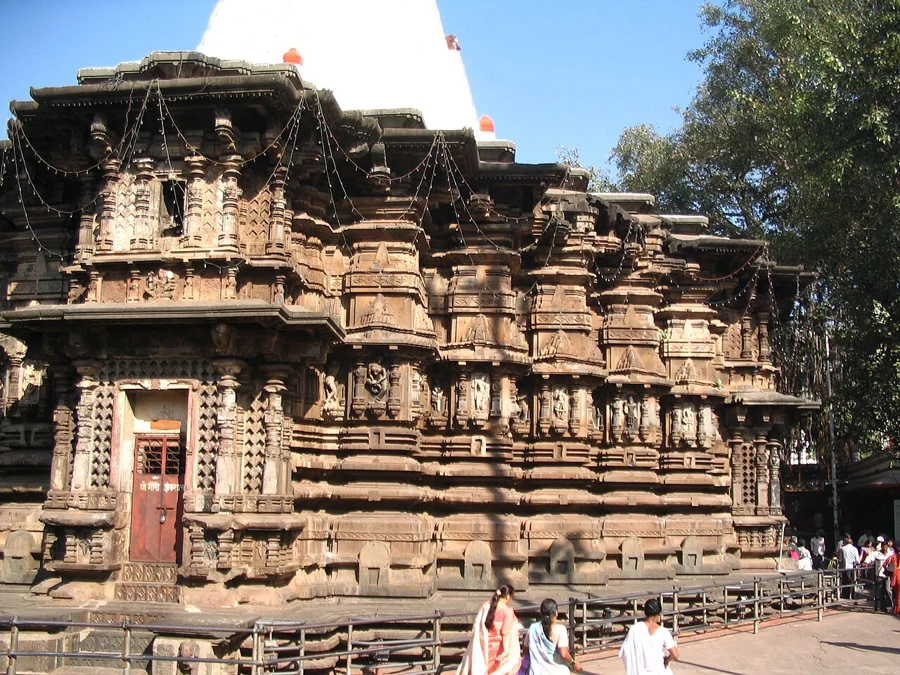
Kolhapur: Ambabai Mahalaxmi
Ambabai at Kolhapur is central to Maharashtra’s three-and-a-half Shakti Peeth tradition; Jyotiba hill is a separate pilgrimage from the city temple.
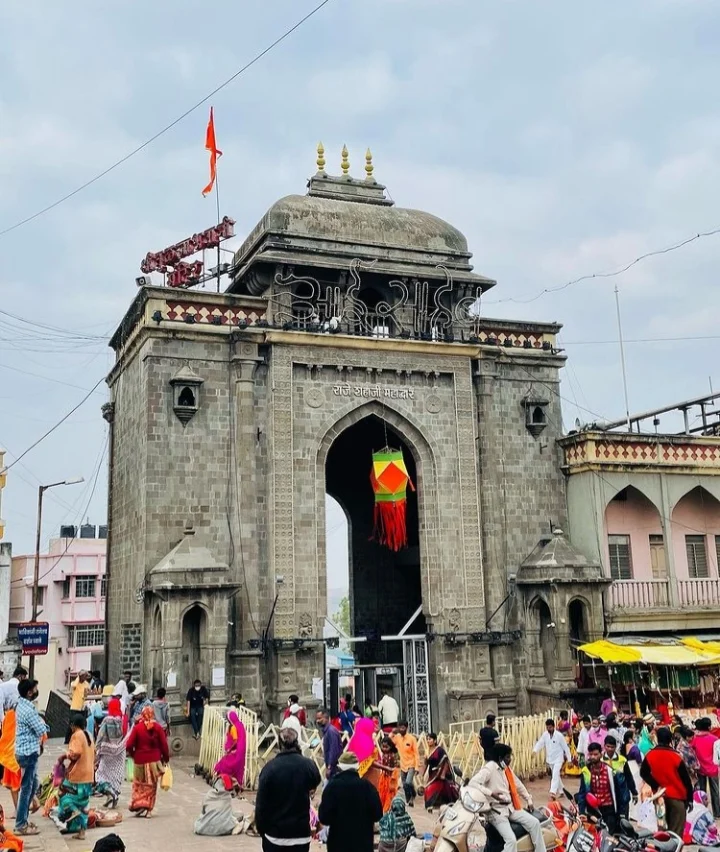
Tuljapur: Tulja Bhavani
Tulja Bhavani in Dharashiv is a family deity for many devotees and a major Shakti Peeth tradition centre; plan separately for Navratri crowds.
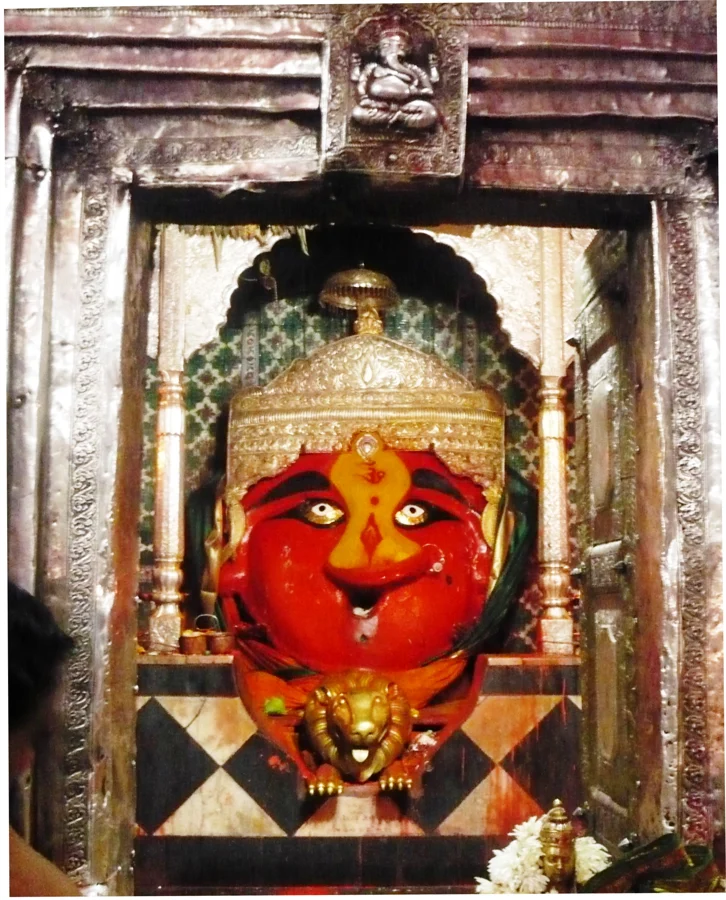
Mahur: Renuka Mata
Mahur in Nanded is revered as Renuka’s Shakti Peeth; Datta Shikhar, Anasuya and Renuka temples require separate hill visits.
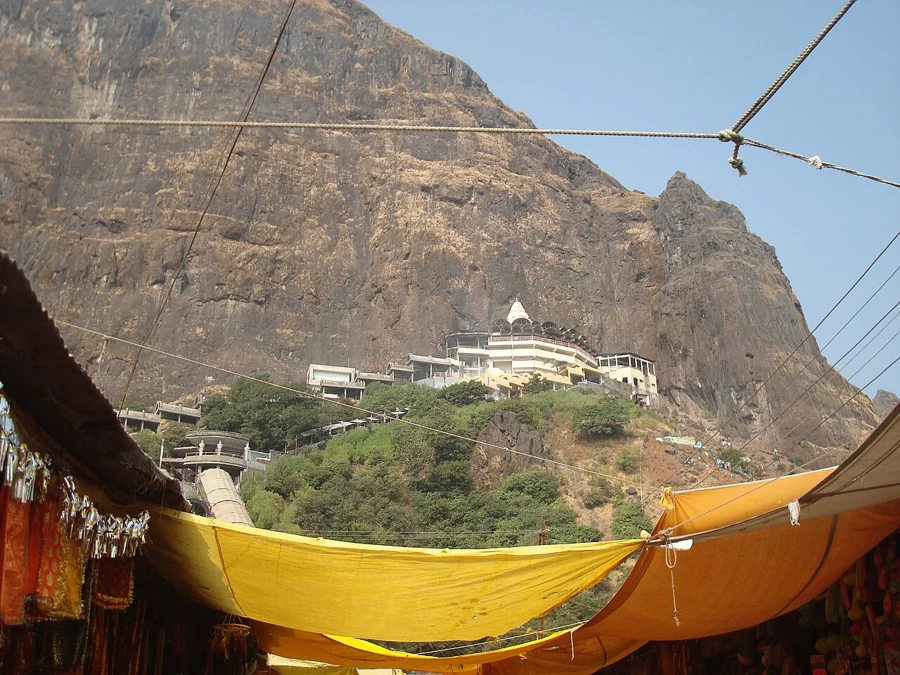
Vani: Saptashrungi Devi
Saptashrungigad in Nashik is regarded as the half Peeth in Maharashtra’s three-and-a-half Shakti Peeth tradition; Vani and the hill entry are distinct.
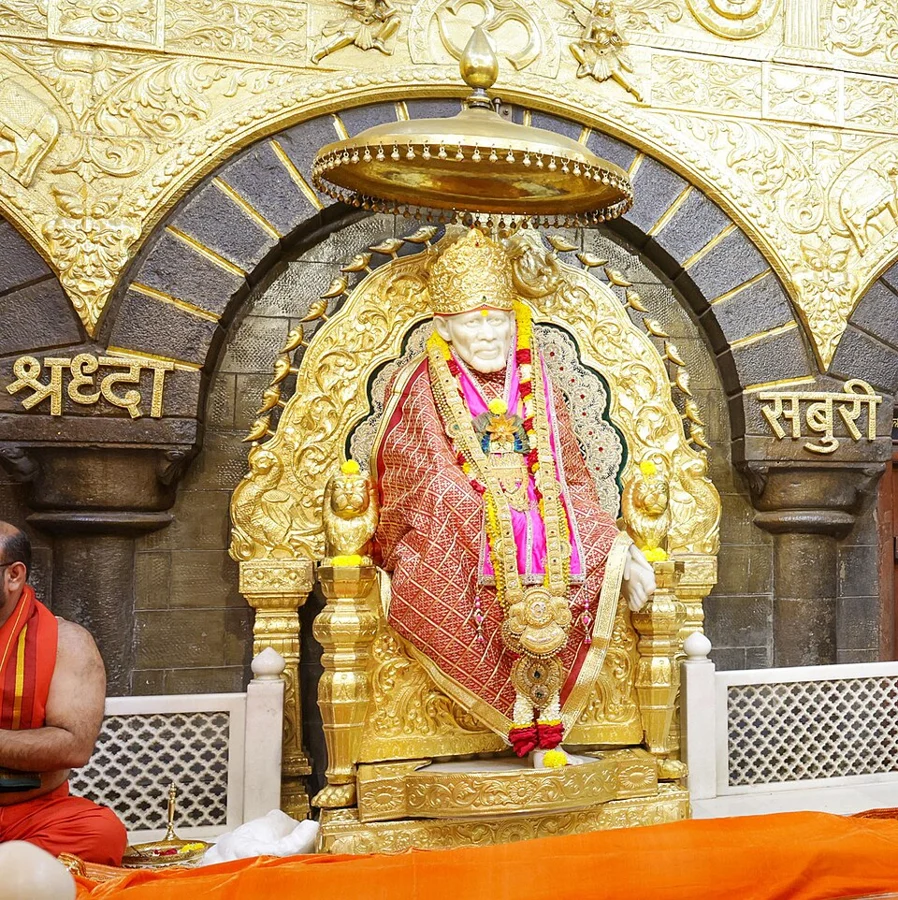
Shirdi: Sai Baba
Shirdi’s Samadhi Mandir commemorates Sai Baba; Dwarkamai and Chavadi are separate related stops. Faith, patience and service are important to the tradition.
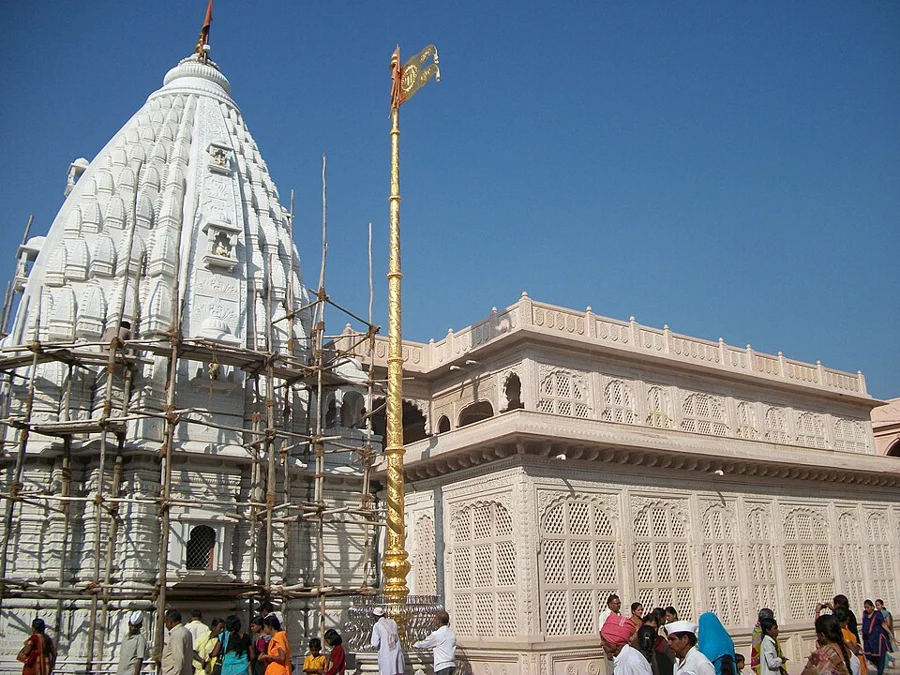
Shegaon: Gajanan Maharaj
Shegaon in Buldhana is known for Gajanan Maharaj’s samadhi temple, devotional singing and the Sansthan’s tradition of service.
Maharashtra · SolapurAkkalkot: Swami Samarth
Akkalkot is a Datta pilgrimage associated with Swami Samarth’s residence; allow separate time for Vatavruksha Temple and the samadhi math.
Maharashtra · KolhapurNarsobawadi: Datta padukas
Narsobawadi at the Krishna–Panchganga confluence is associated with Nrusimha Saraswati’s residence tradition and Datta paduka worship.
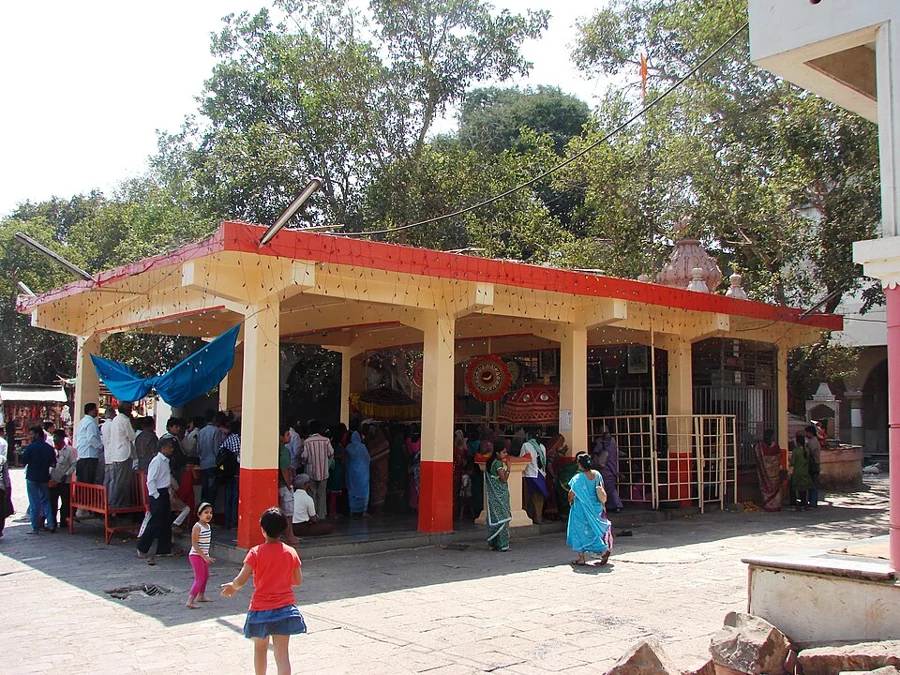
Audumbar: Datta pilgrimage
Audumbar on the Krishna in Sangli is associated with Nrusimha Saraswati; pilgrims come for paduka worship and Gurucharitra recitation.
Maharashtra · WashimKaranja Lad: Nrusimha Saraswati birthplace
Karanja Lad in Washim is revered as Nrusimha Saraswati’s birthplace; the Gurumandir is a centre of the Datta birthplace pilgrimage.
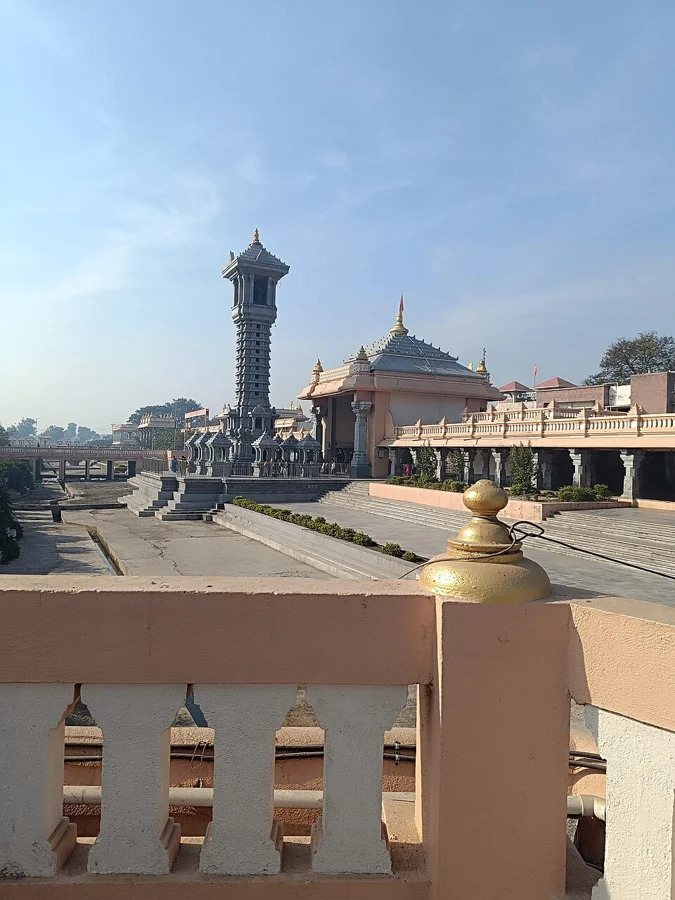
Shani Shingnapur
Shani Shingnapur worship centres on Shani’s stone image on an open platform; the village’s door tradition does not replace care of your belongings.
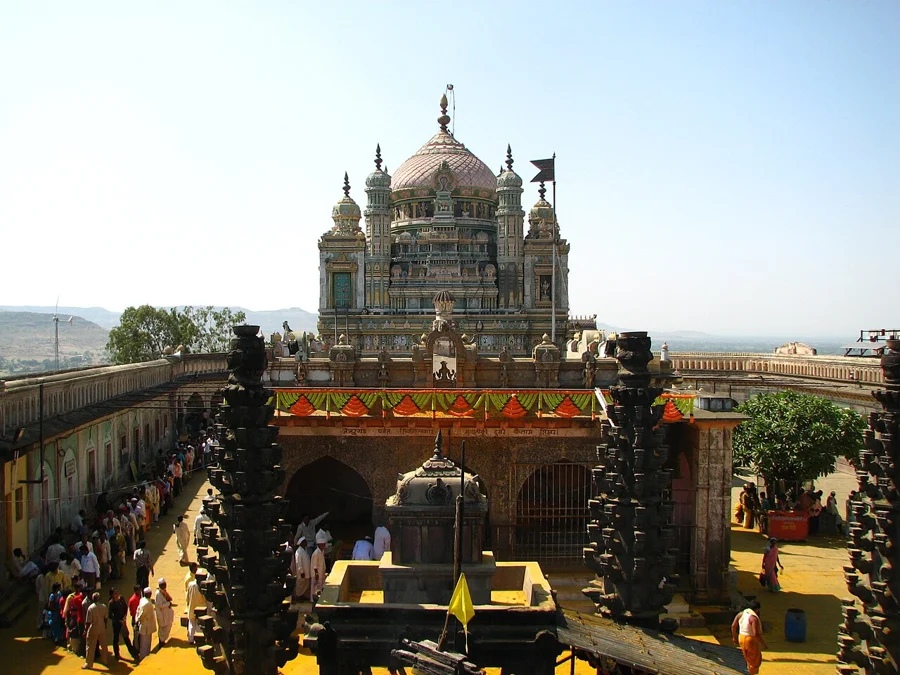
Jejuri: Khandoba
Jejuri’s hill shrine worships Khandoba as Malhari Martand; yellow turmeric offerings and the stepped climb are distinctive.
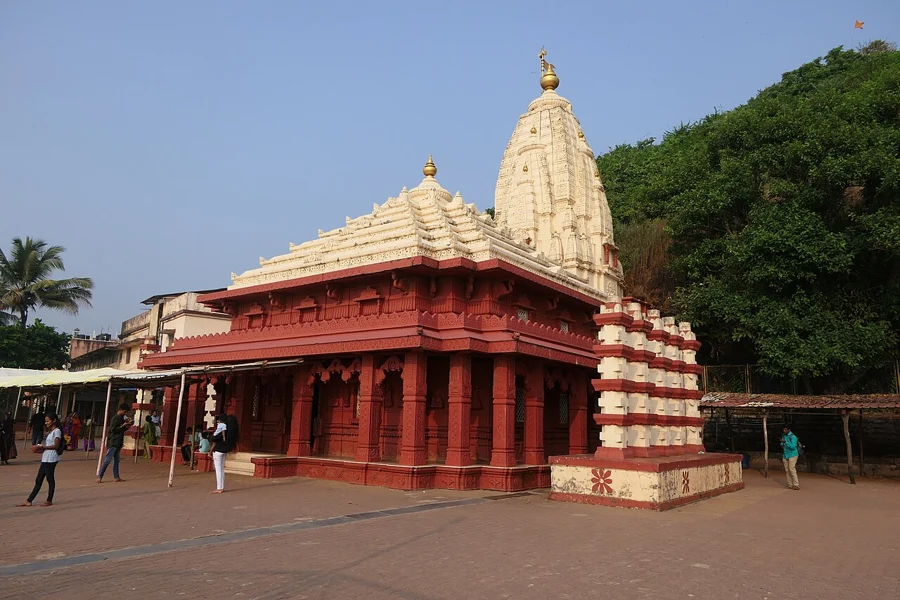
Ganpatipule: coastal Ganesh pilgrimage
Ganpatipule in Ratnagiri is a Konkan shrine in the self-manifested Ganesh tradition; plan temple worship and beach time separately and safely.
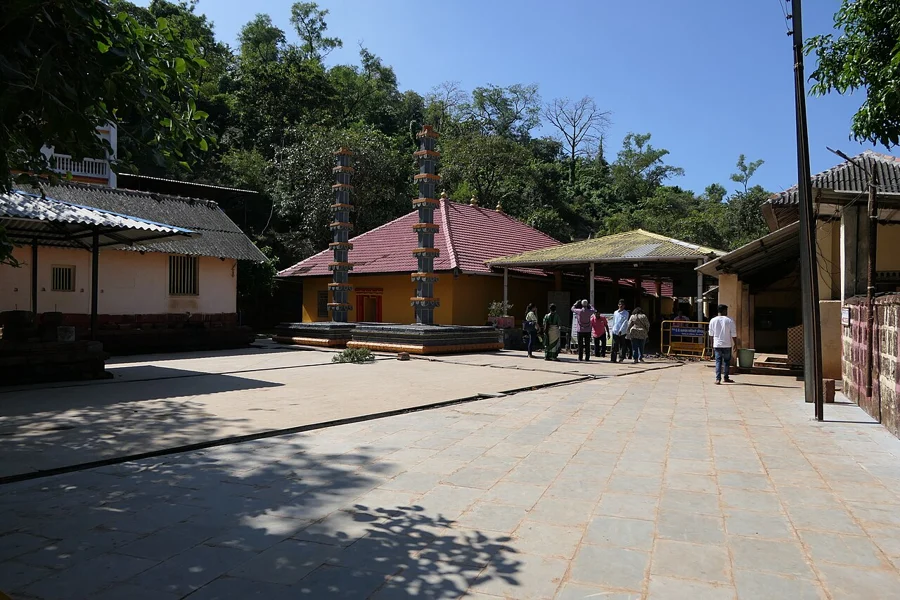
Harihareshwar: Shiva and Kalbhairav
Harihareshwar in Raigad is a coastal Shiva pilgrimage associated with Kalbhairav worship and a rocky coastal circumambulation route.
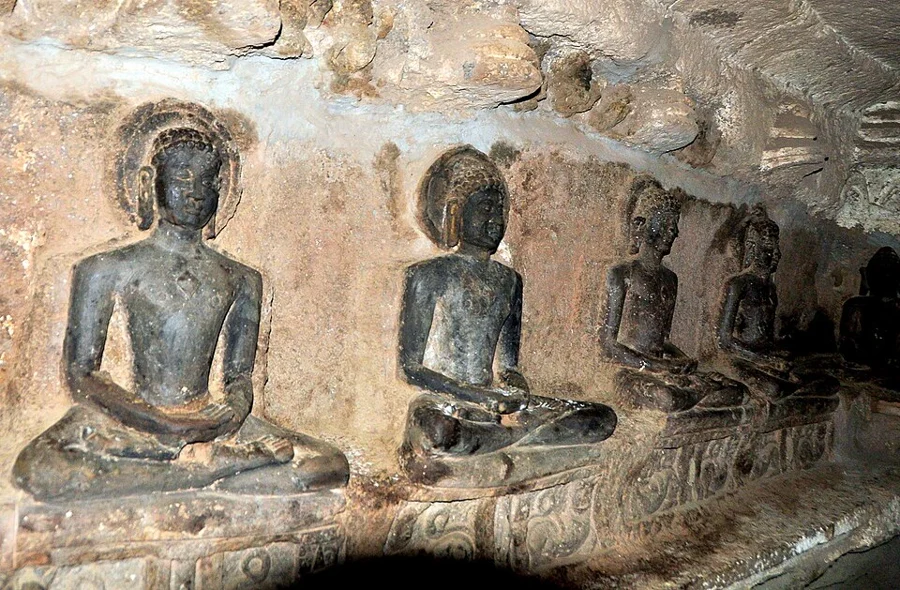
Mangi–Tungi: Jain Siddha Kshetra
Mangi–Tungi in Nashik is a twin-peaked Digambar Jain Siddha Kshetra, important for Tirthankara worship, contemplation and nonviolence.
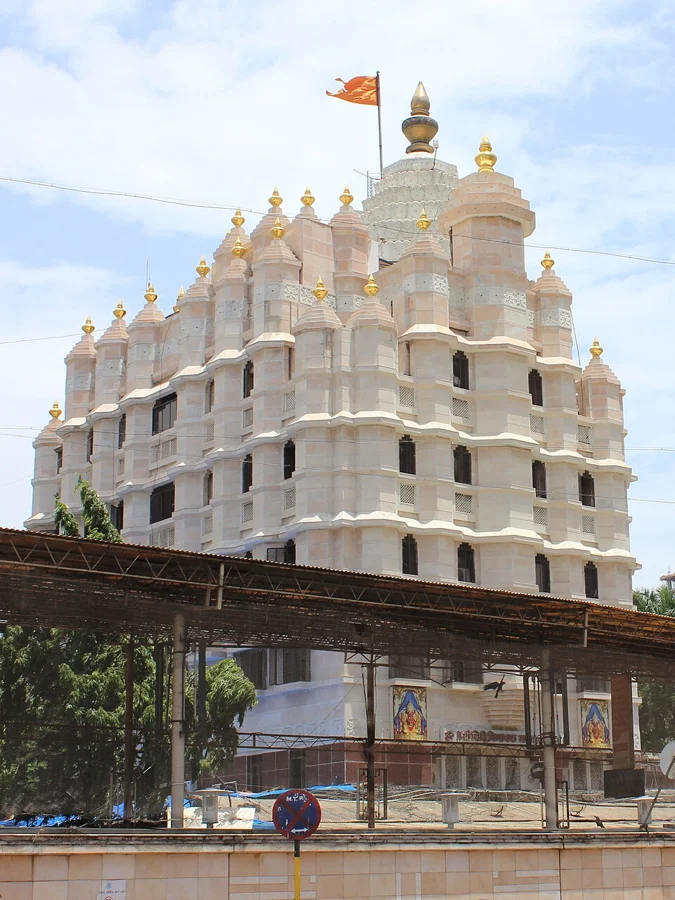
Mumbai: Siddhivinayak
Siddhivinayak at Prabhadevi is a major Mumbai Ganesh shrine, distinct from the Ashtavinayak temple at Siddhatek.
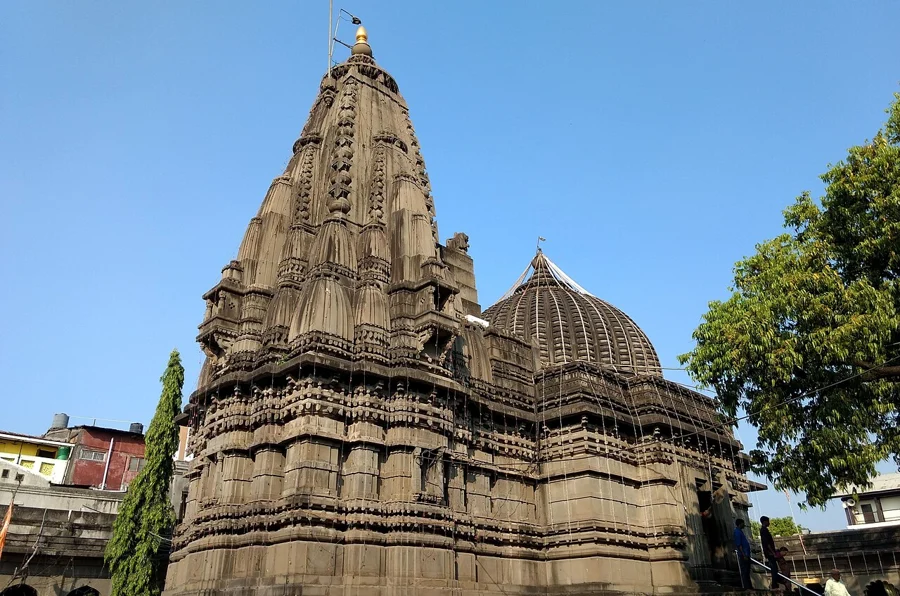
Panchvati: Kalaram Temple
Kalaram in Nashik’s Panchvati is known for its black stone Rama image; Ramkund and the Godavari ghats are separate stops.
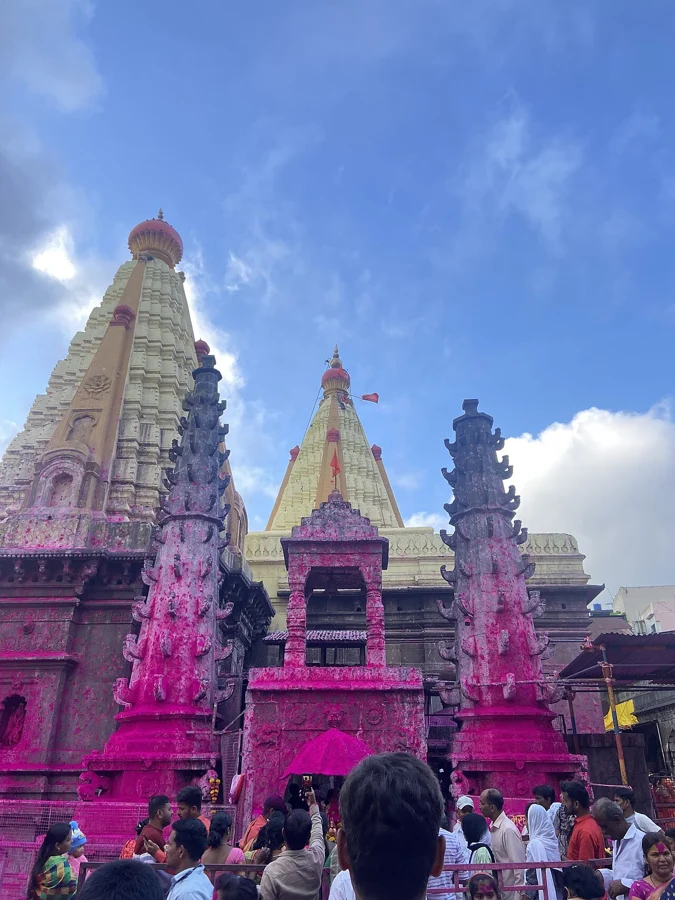
Jyotiba: Wadi Ratnagiri
Jyotiba hill at Wadi Ratnagiri near Kolhapur is known for its gulal pilgrimage; this is not Ratnagiri city on the Konkan coast.
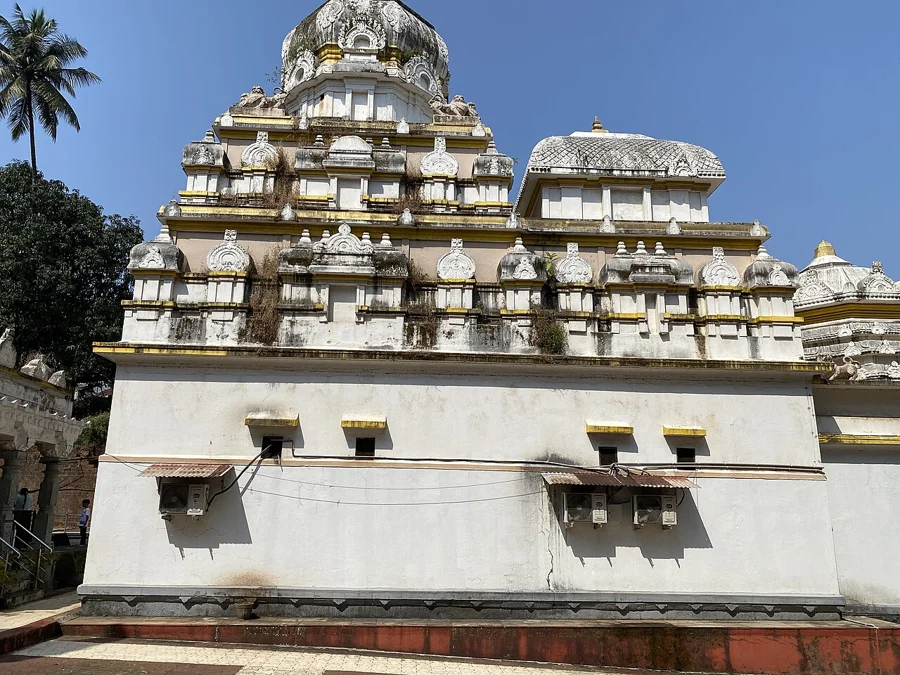
Chiplun: Parashuram Temple
Parashuram Temple near Chiplun belongs to Konkan’s Parashuram tradition, with Banaganga and the temple precinct as related features.
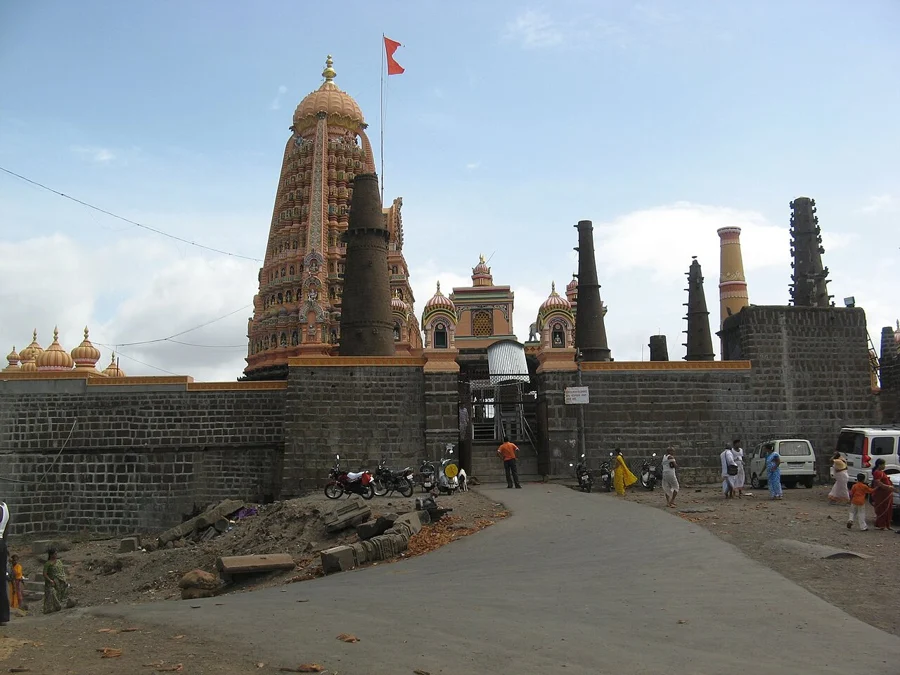
Shikhar Shingnapur: Shambhu Mahadev
Shikhar Shingnapur in the Satara region is Shambhu Mahadev’s hill pilgrimage, distinct from Shani Shingnapur in Ahilyanagar.
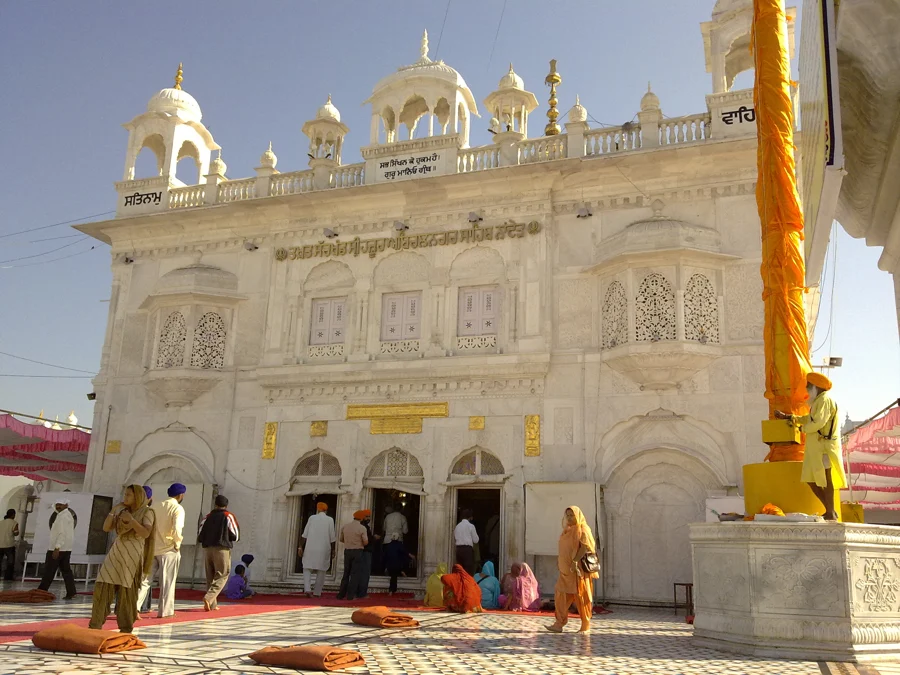
Nanded: Takht Hazur Sahib
Sachkhand Hazur Sahib is one of Sikhism’s five Takhts and is associated with Guru Gobind Singh’s final period in Nanded.
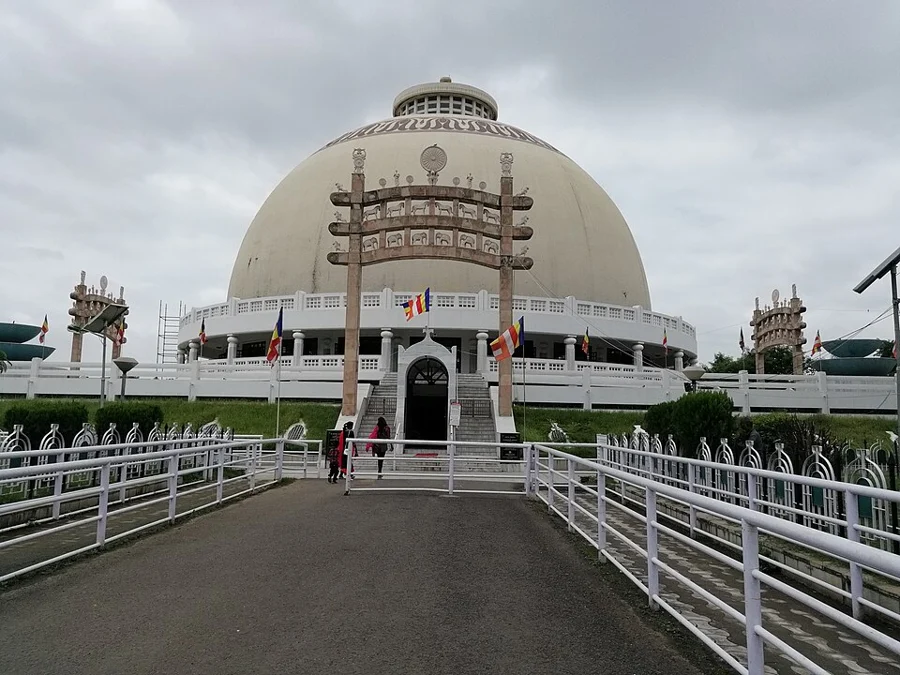
Nagpur: Deekshabhoomi
At Deekshabhoomi, Dr B. R. Ambedkar embraced Buddhism on 14 October 1956; the stupa commemorates that event and its significance for social equality.
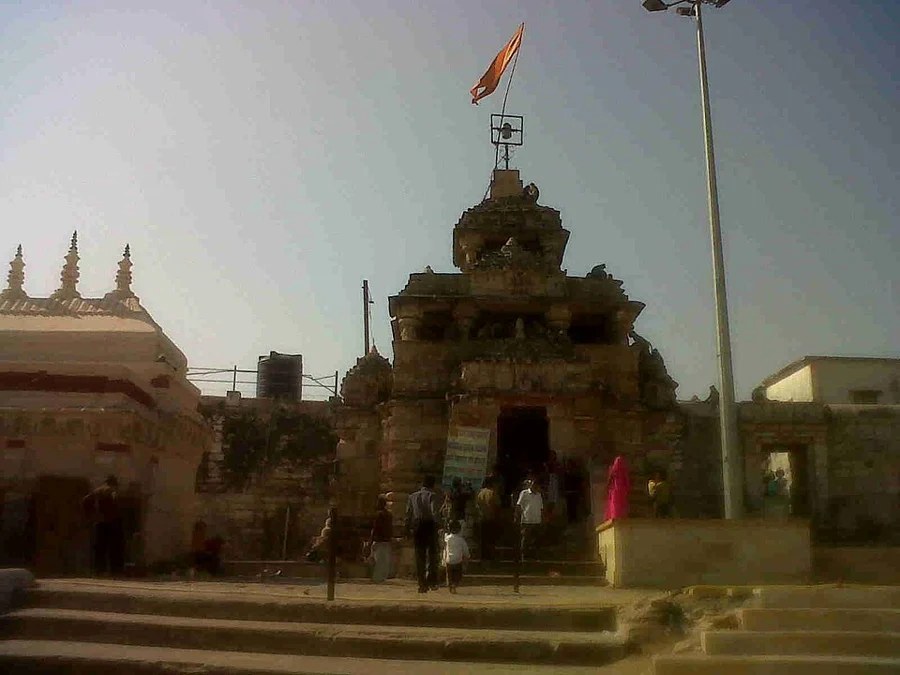
Ramtek: Gad Mandir
Ramtek’s hill shrine near Nagpur is linked in tradition with Rama’s exile; visitors explore the temple and its historic setting.
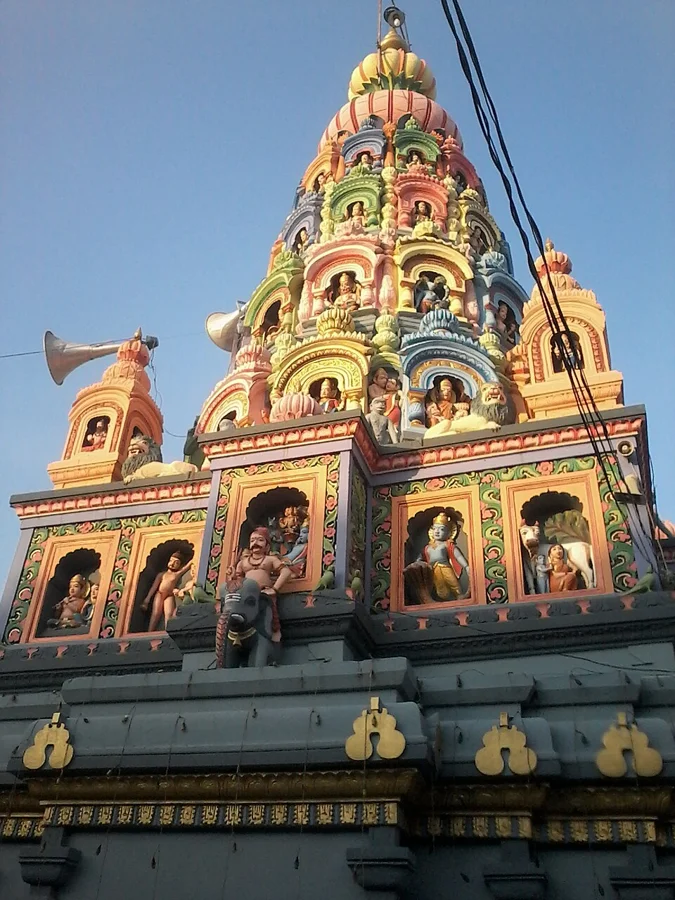
Ambajogai: Yogeshwari Devi
Ambajogai in Beed is Yogeshwari’s pilgrimage and a centre of literary heritage; Mukundraj and Dasopant memorials can be separate stops.
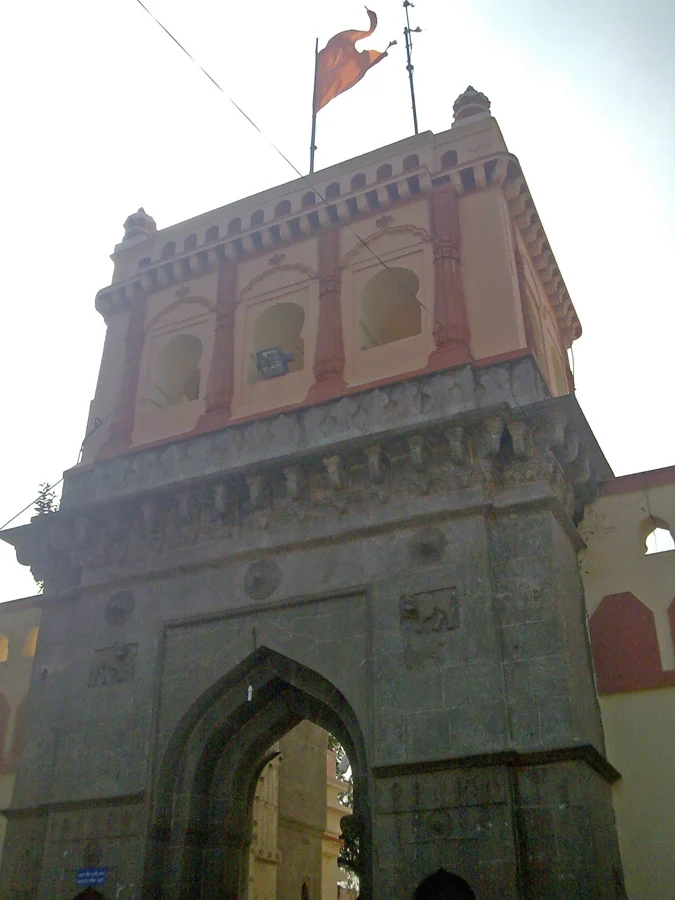
Morgaon: Mayureshwar
Mayureshwar is the traditional start and finish of the Ashtavinayak pilgrimage.
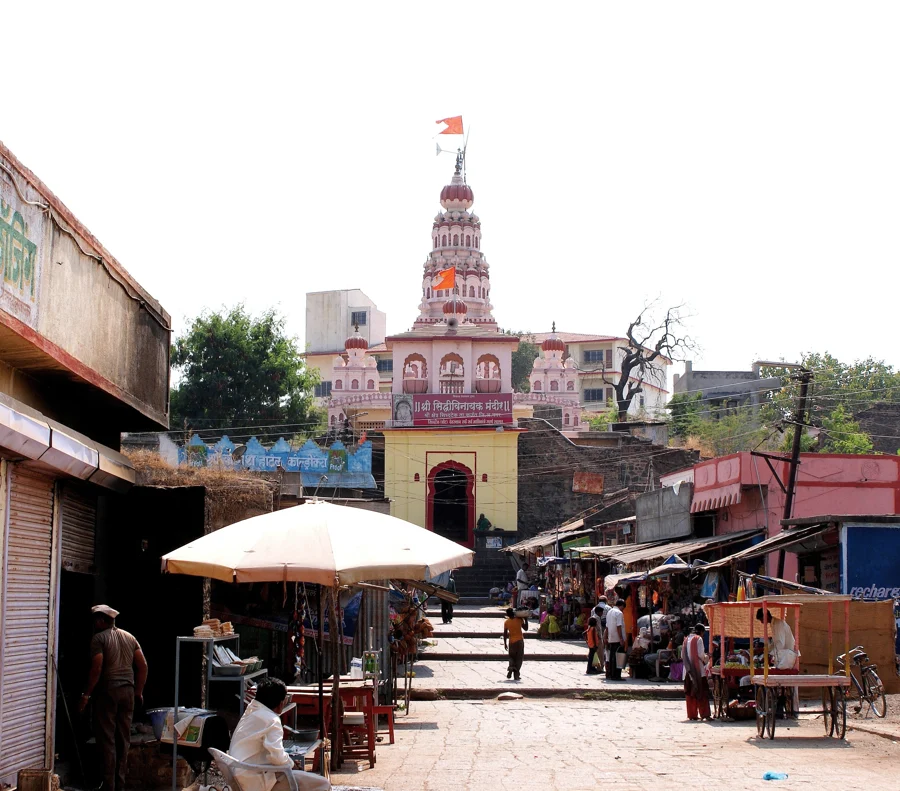
Siddhatek: Siddhivinayak
Siddhivinayak on the Bhima belongs to the Ganesh tradition of siddhi; Mumbai’s shrine is separate.
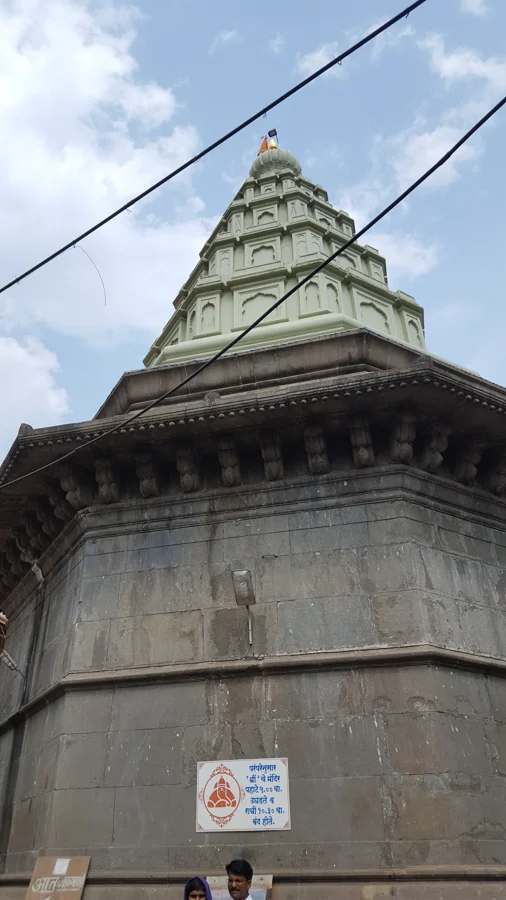
Pali: Ballaleshwar
Ballaleshwar at Pali in Raigad is associated with the devotee Ballal, distinct from Pali city in Rajasthan.
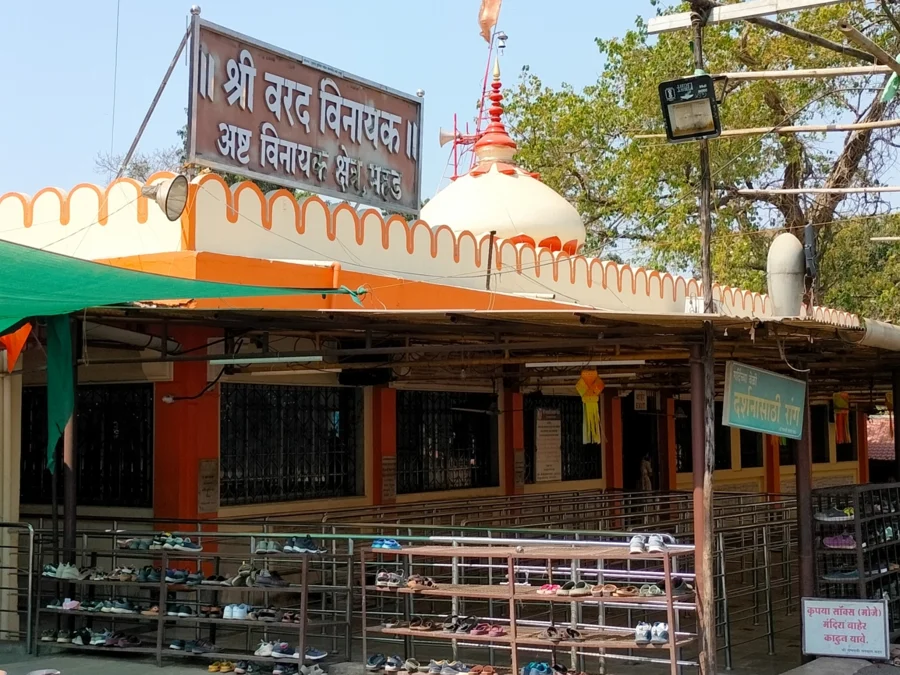
Mahad: Varadvinayak
Varadvinayak’s Mahad village is near Khalapur–Khopoli, not Mahad town on the Savitri River.
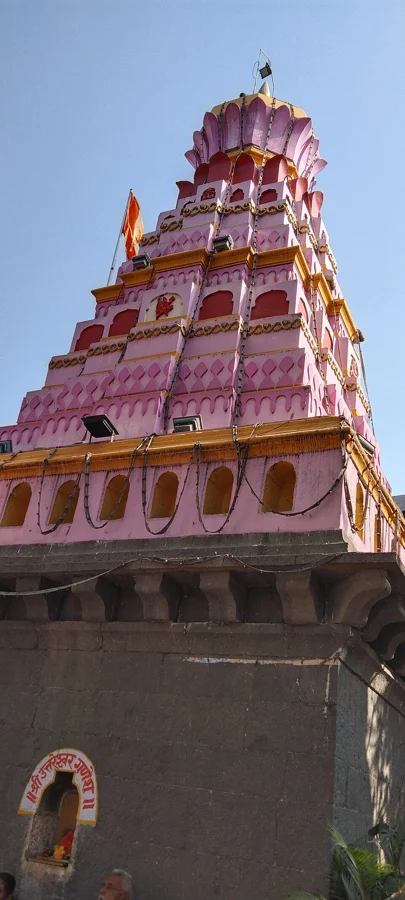
Theur: Chintamani
Theur east of Pune worships Chintamani Ganesh, associated in tradition with the sage Kapila.
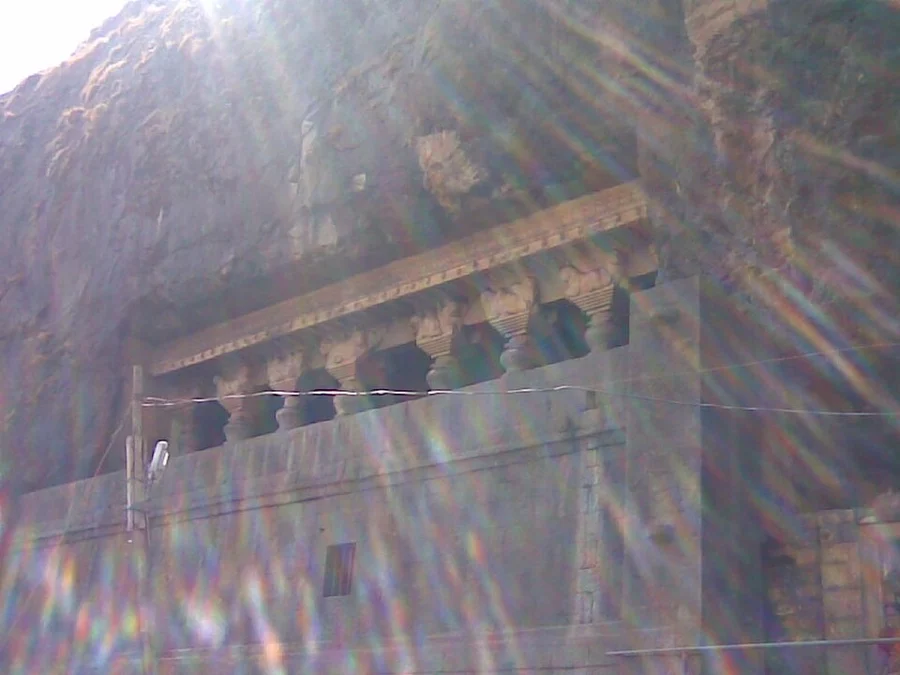
Lenyadri: Girijatmaj
Girijatmaj at Lenyadri is a cave shrine near Junnar reached by a stepped climb.
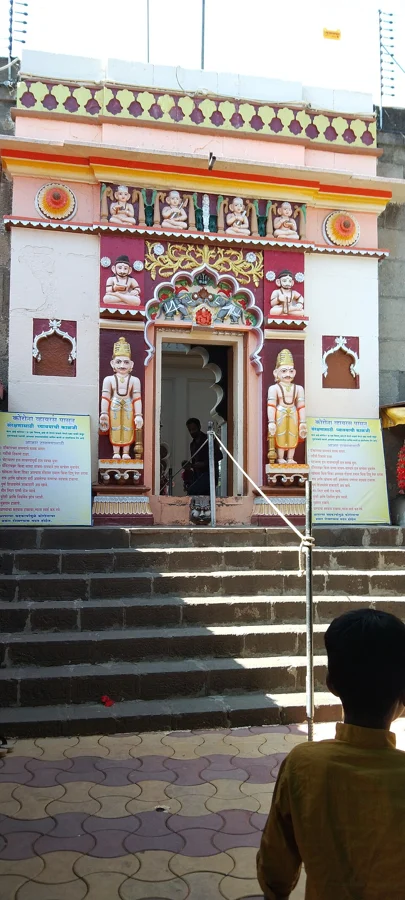
Ozar: Vighneshwar
Ozar on the Kukadi worships Vighneshwar, associated with the devotional account of Vighnasura.
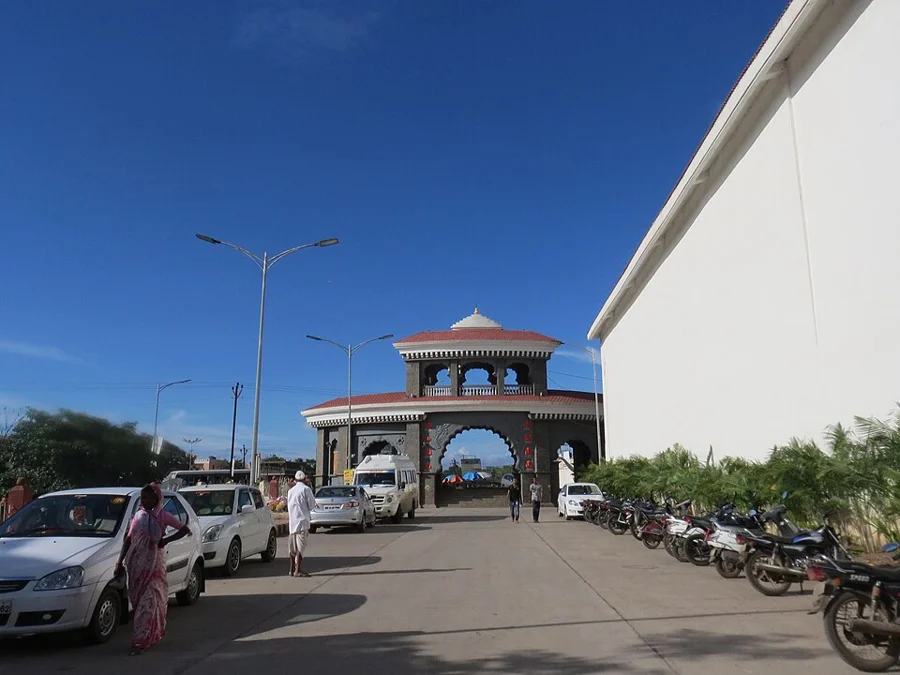
Ranjangaon: Mahaganapati
Ranjangaon on the Pune–Ahilyanagar road worships Mahaganapati, linked in tradition with the Tripurasura account.
Maharashtra · BuldhanaMehkar: Sharangdhar Balaji
Sharangdhar Balaji in Mehkar, Buldhana district, is a Vishnu shrine distinguished by its black-stone image.
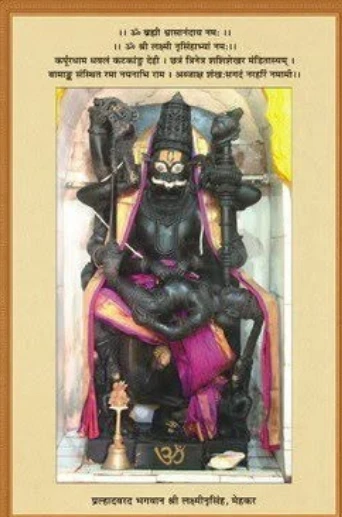
Mehkar: Lakshmi Nrusinh temple
Mehkar’s Lakshmi Nrusinh shrine honours Vishnu’s Narasimha form and the devotional story of Prahlad. Ask locally for the main temple; the old cave site in Mali Peth is separate.
Maharashtra · BuldhanaDeulgaon Raja: Balaji temple
Deulgaon Raja’s Balaji temple is in Buldhana district. Its Latamandap festival is a distinctive local tradition; check this year’s notices for dates.
Maharashtra · WashimWashim: Vyankatesh Balaji
Washim’s Vyankatesh Balaji is an old town shrine. The nearby Dev Talav is associated with its historic setting; allow time for both worship and the surroundings.
Pilgrimage places in Gujarat
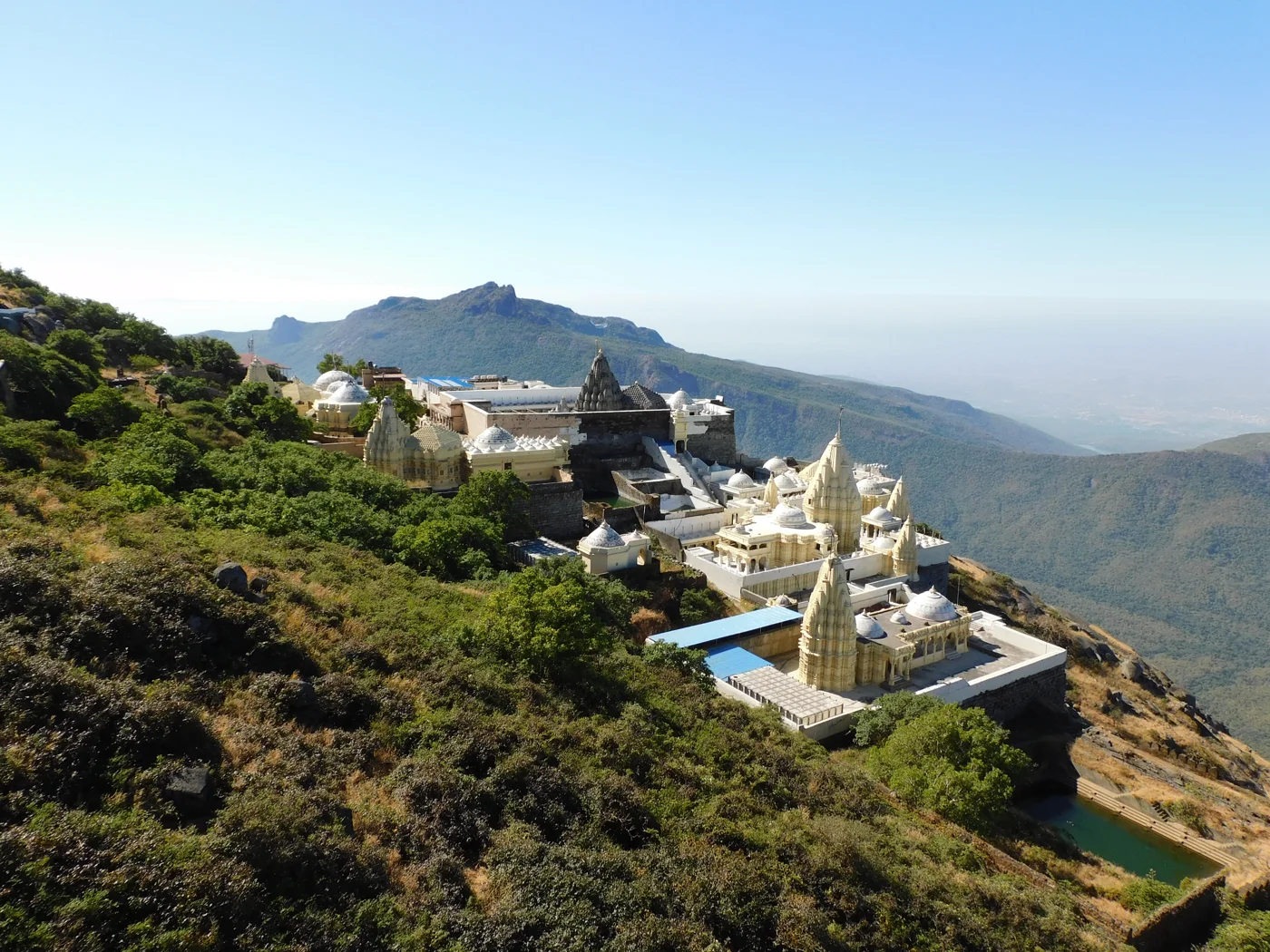
Girnar: Datta padukas, Ambaji and a practical pilgrimage guide
The sacred mountain near Junagadh: Datta and Jain traditions, the long stair climb, what the ropeway covers, train numbers and planning your stay.
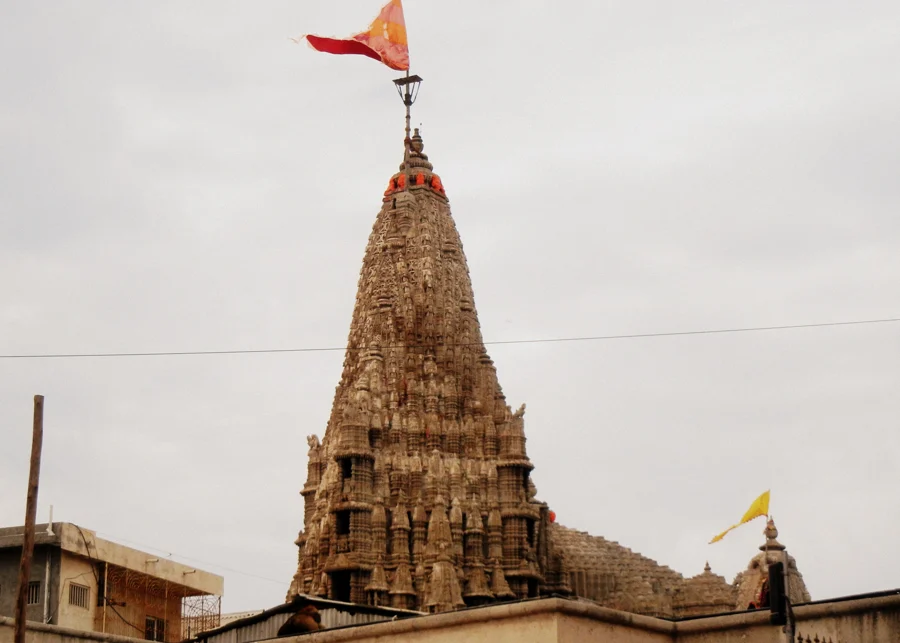
Dwarka: Dwarkadhish darshan and travel guide
Krishna’s pilgrimage city, Jagat Mandir, Gomti Ghat, train numbers, lodging and a separate plan for Bet Dwarka.
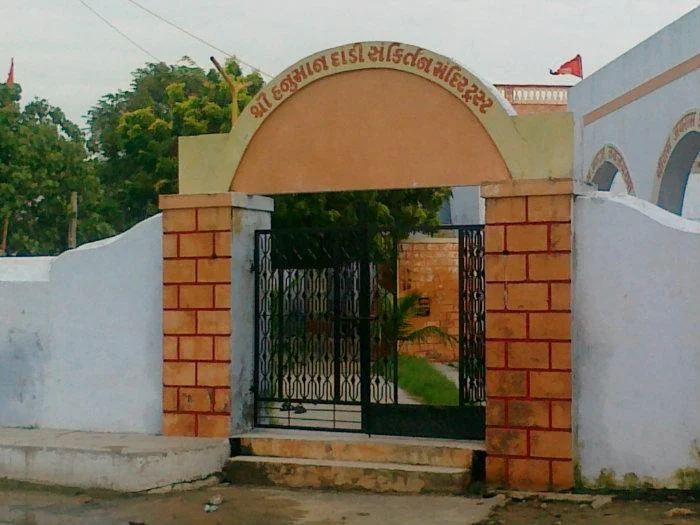
Bet Dwarka: Krishna tradition, Sudarshan Setu and visiting the island
The sacred island near Okha: the temple, bridge access, trains, local transport and practical preparation.
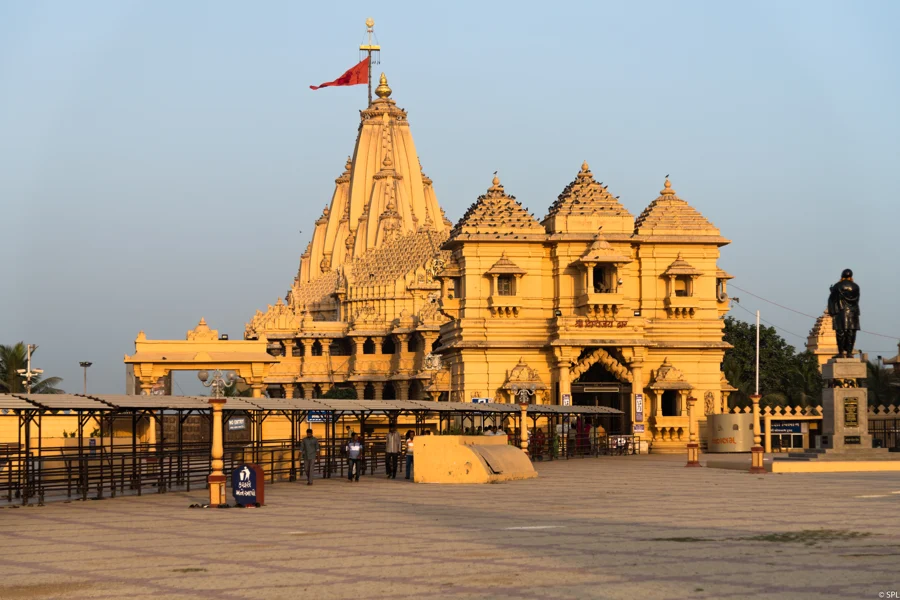
Somnath: Jyotirlinga significance and pilgrimage guide
The Shiva pilgrimage at Prabhas Patan: worship, aarti, trains to Veraval, Triveni and Bhalka Tirth.
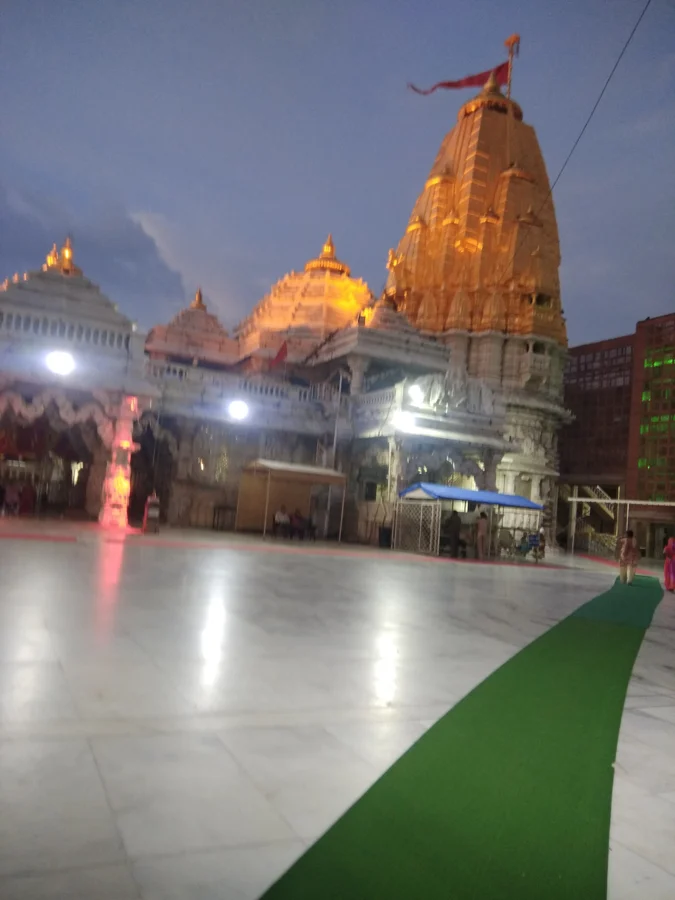
Ambaji: Shakti Peeth and Gabbar pilgrimage
Ambaji is a major Maa Amba pilgrimage in Banaskantha, northern Gujarat, near Rajasthan. Shakti Peeth tradition associates it with Sati’s heart; this is a devotional account. Worship of the Shree Yantra distinguishes the shrine. Gabbar Hill is honoured as an original seat of the goddess and is a separate visit from the town temple.
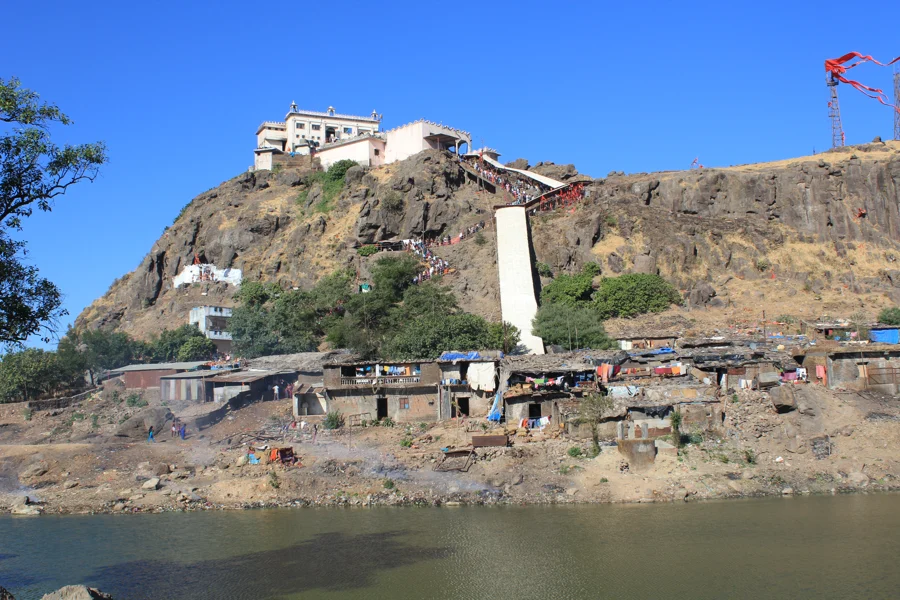
Pavagadh: Kalika Mata temple and hill pilgrimage
Kalika Mata Temple stands high on Pavagadh Hill in Panchmahal district. Devotees honour it within Shakti Peeth tradition, especially during Navratri. The surrounding Champaner–Pavagadh Archaeological Park is UNESCO-listed. Visiting the working shrine and touring archaeological monuments are distinct activities; allow separate time for each.
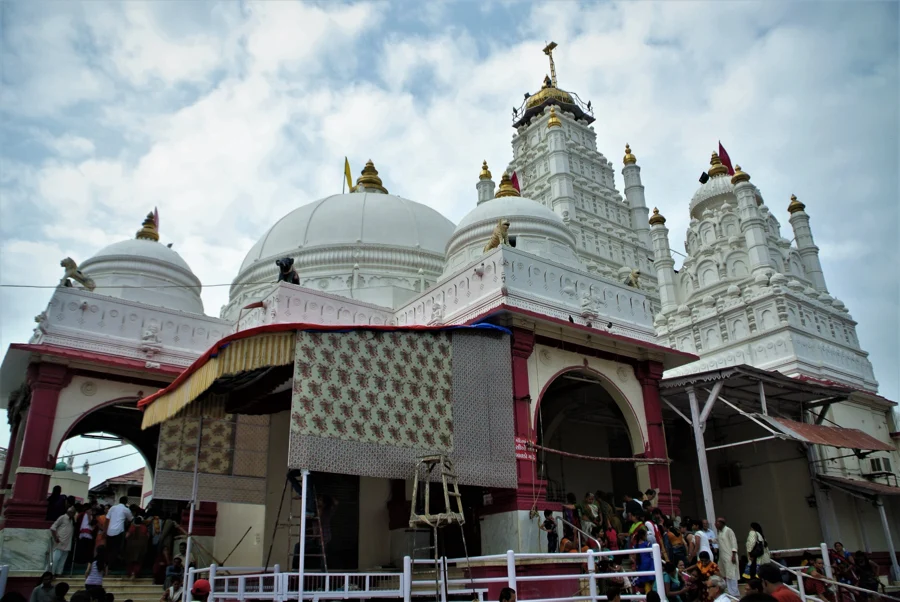
Dakor: Shri Ranchhodrai temple pilgrimage
Dakor in Kheda district is a Krishna pilgrimage centred on Shri Ranchhodrai near Gomti Lake. The story of devotee Bodana bringing the Lord from Dwarka belongs to local devotional tradition. Temple seva and full-moon visits are central to worship here. Dakor and Dwarka are different towns, requiring separate travel plans.
Gujarat · NarmadaGarudeshwar: Tembe Swami’s samadhi and Datta pilgrimage
A Datta pilgrimage on the Narmada: Vasudevanand Saraswati’s samadhi, the Dattatreya shrine and routes via Vadodara or Ekta Nagar.
Pilgrimage places in Rajasthan
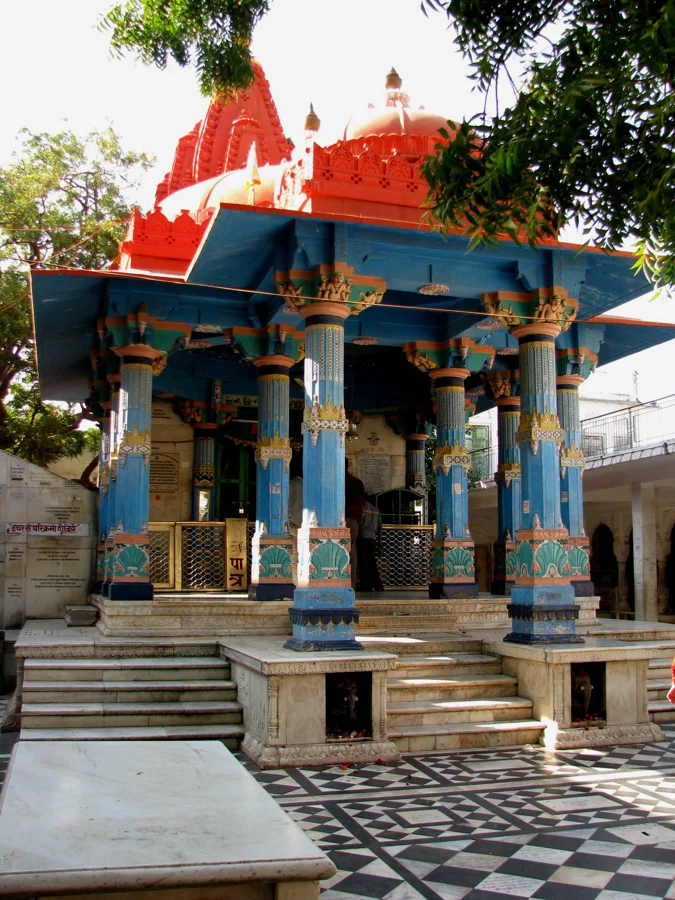
Pushkar: Brahma Temple and the sacred lake
The renowned Brahma shrine near Ajmer, Pushkar Lake, Savitri Temple and a practical visit plan.
Nathdwara: Shrinathji darshan and Pushtimarg
Shrinathji worship in Rajsamand, seva-based darshan sessions and the route from Udaipur.
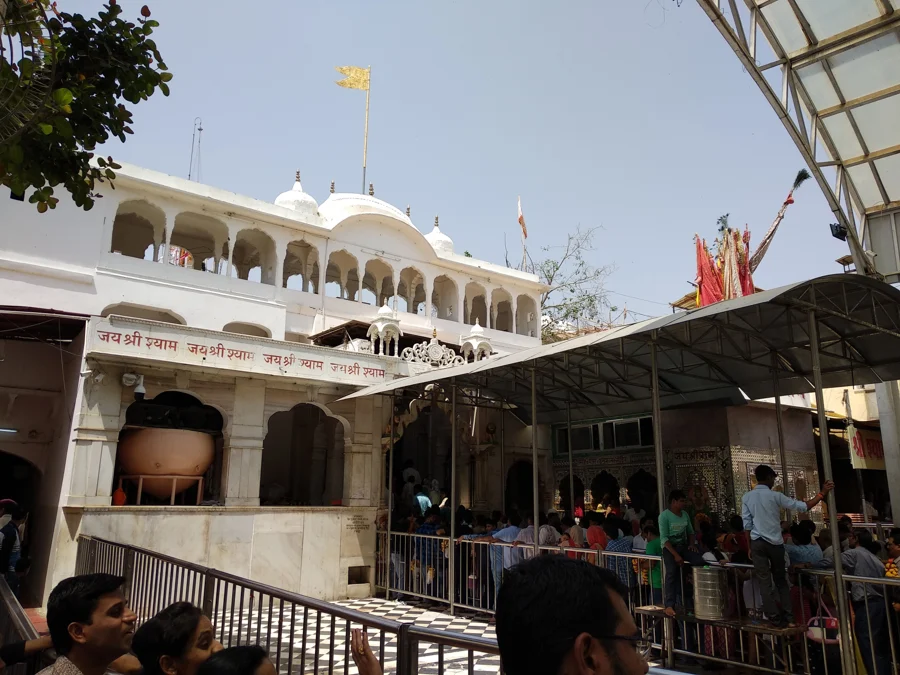
Khatu Shyam: Baba Shyam darshan and pilgrimage
Baba Shyam in Sikar, the Barbarika tradition, Ringas station and planning for crowded days.
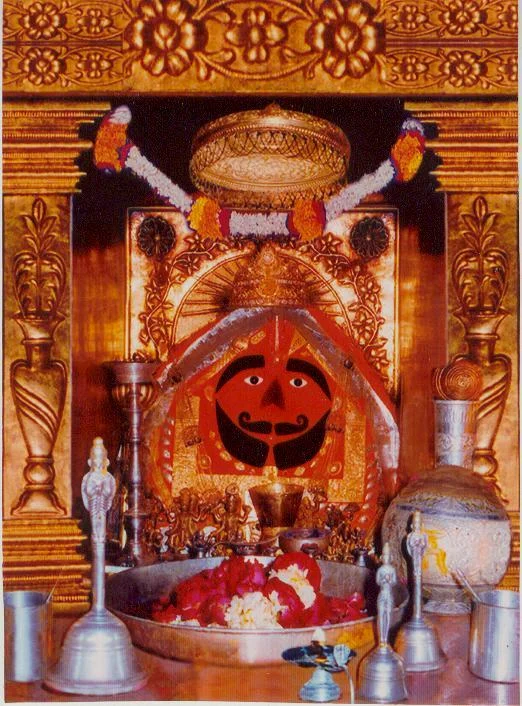
Salasar Balaji: Hanuman pilgrimage
Salasar in Churu is a Hanuman pilgrimage centre.
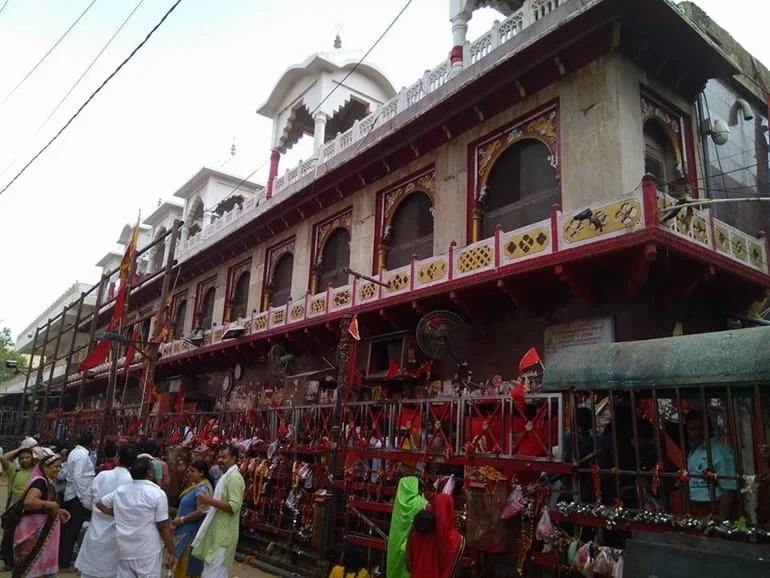
Mehandipur Balaji: darshan and visit planning
Mehandipur Balaji is a Hanuman shrine in the Sikrai area of Dausa.
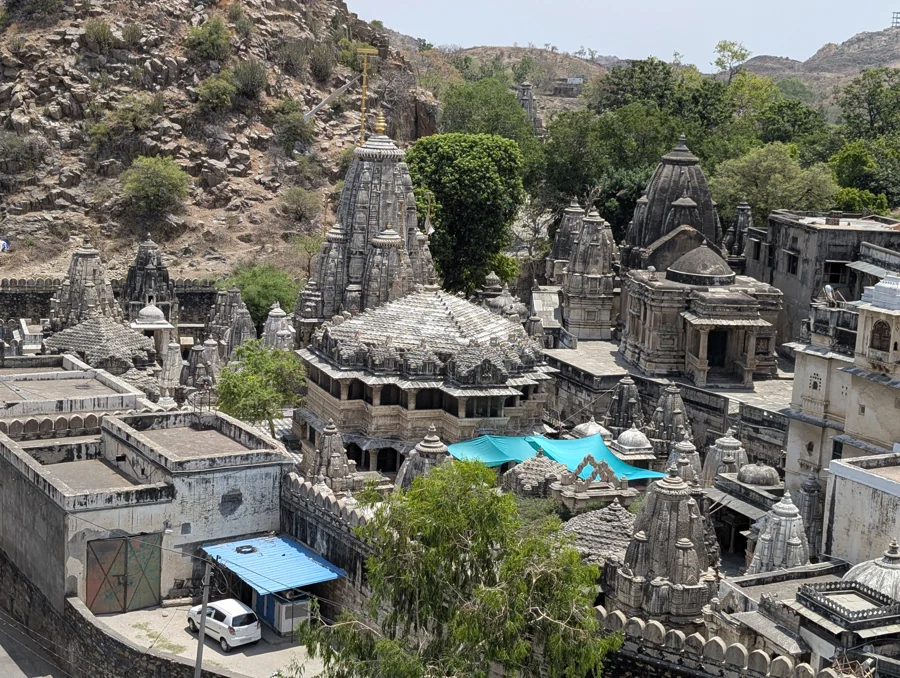
Eklingji: Shiva worship in Mewar
Eklingji at Kailashpuri north of Udaipur is dedicated to Shiva and has a central place in Mewar’s religious and royal heritage.
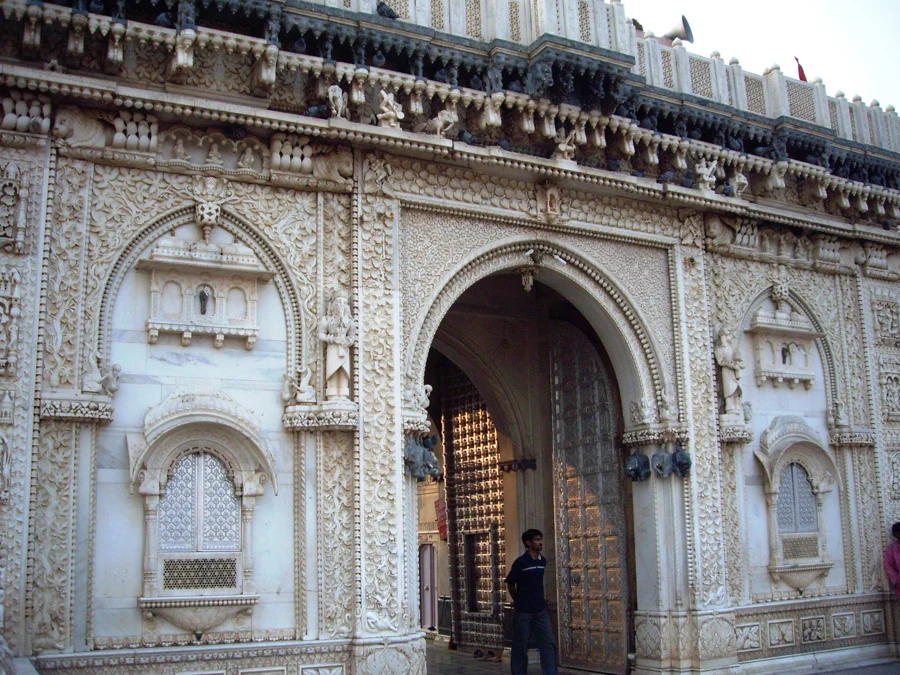
Karni Mata at Deshnok: tradition and darshan
Karni Mata Temple is at Deshnok, approximately 30 km south of Bikaner.
Jammu and Kashmir
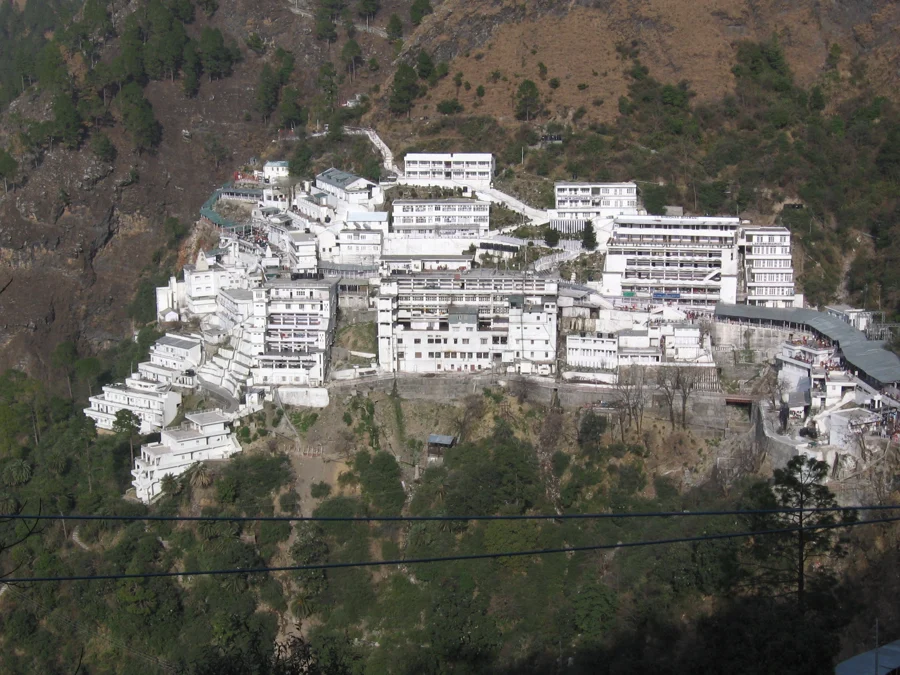
Vaishno Devi: significance and a practical pilgrimage guide
Plan your visit to the holy cave in the Trikuta hills: spiritual tradition, reaching Katra, registration, darshan and accommodation.
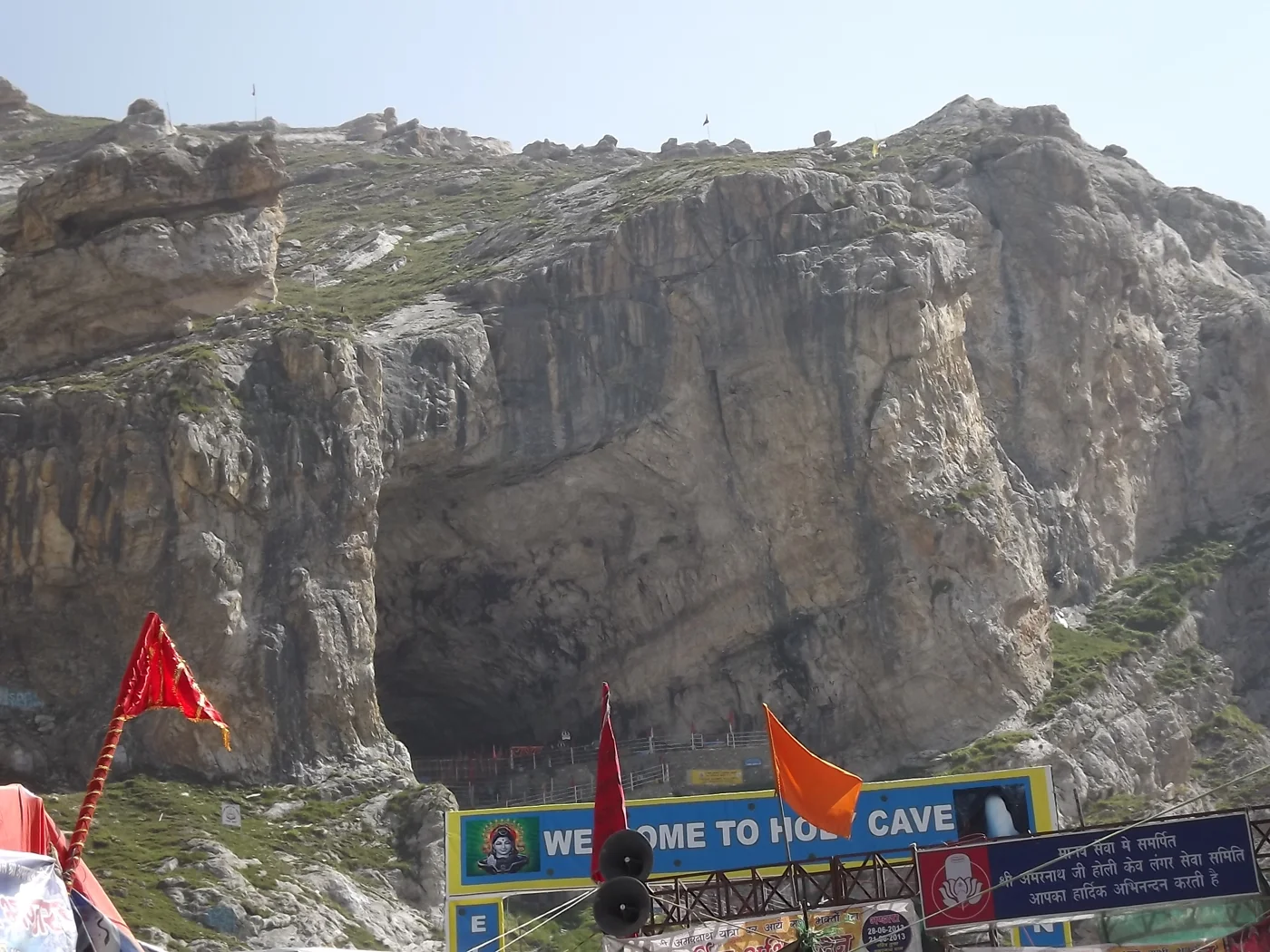
Amarnath: significance, routes and pilgrimage preparation
The sacred ice lingam, the Pahalgam and Baltal approaches, registration, health certification and preparation for a high-altitude pilgrimage.
Pilgrimage places in Andhra Pradesh
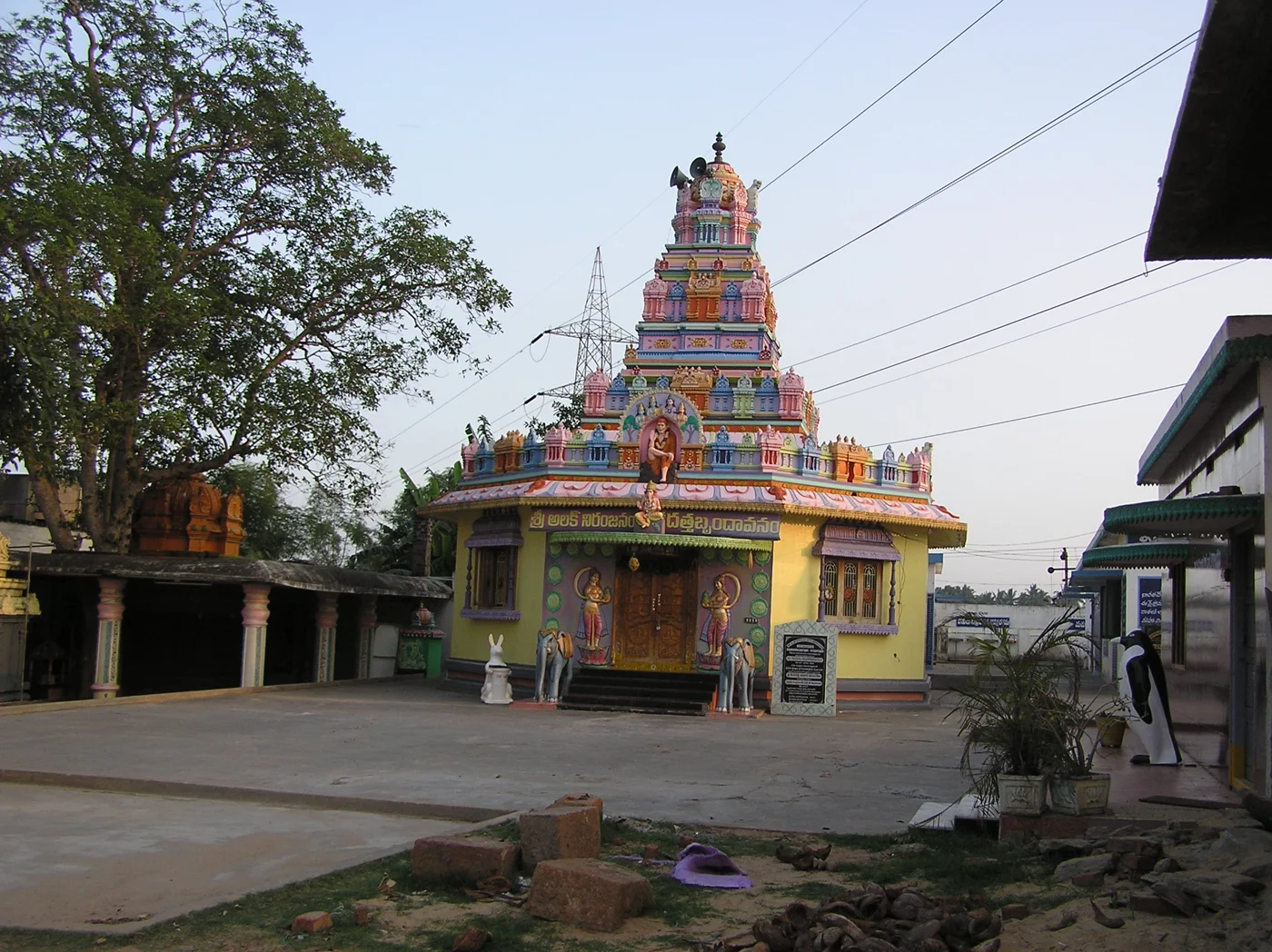
Pithapuram: the birthplace tradition of Sripada Srivallabha
Explore a cherished Datta pilgrimage town, the Mahasamsthanam and Kukkuteswara complex, with rail options and practical travel preparation.
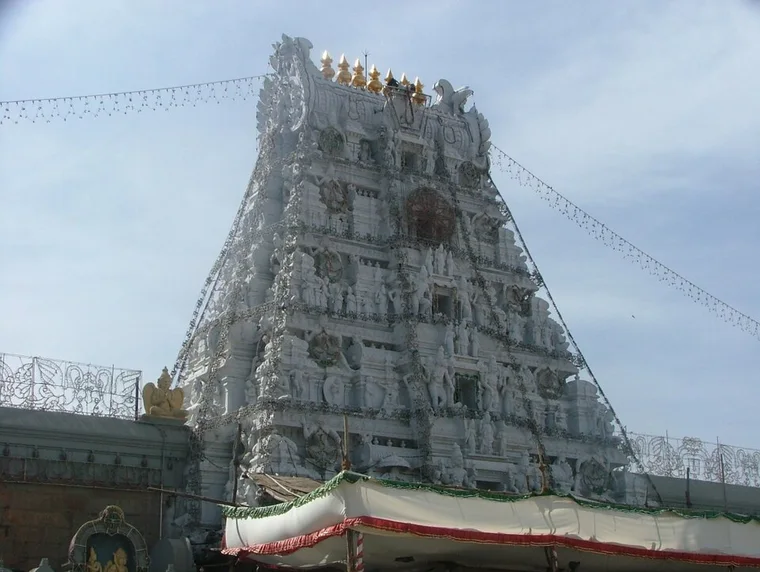
Tirumala–Tirupati: Sri Venkateswara Balaji
Sri Venkateswara on the Tirumala hills is a major Vaishnava shrine. Tirupati city and hilltop Tirumala are separate destinations.
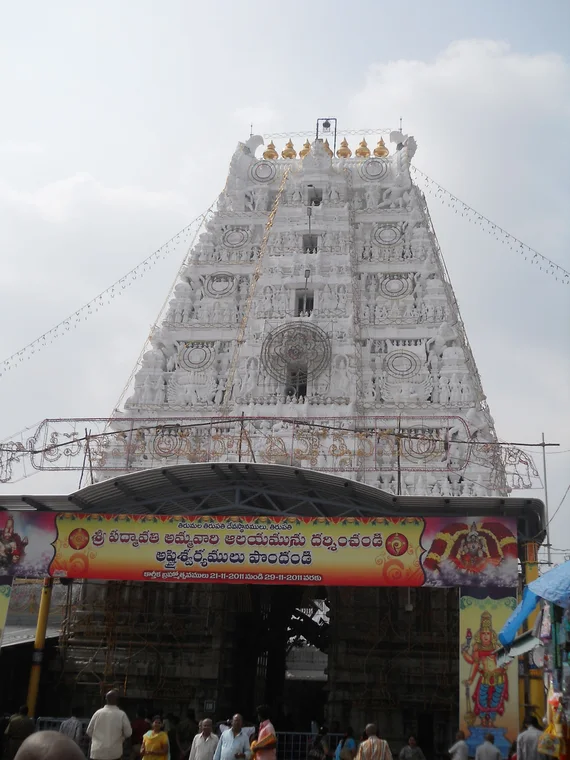
Tiruchanur: Sri Padmavathi Devi
Padmavathi Devi is worshipped at Tiruchanur near Tirupati. Allow a separate visit alongside a Venkateswara pilgrimage.
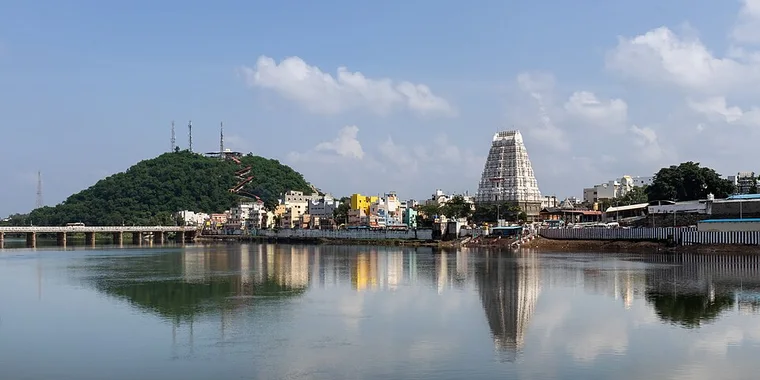
Srikalahasti: Vayu Linga shrine
Srikalahasti represents air in the Panchabhuta Shiva tradition. Check ordinary darshan and Rahu–Ketu ritual arrangements separately.
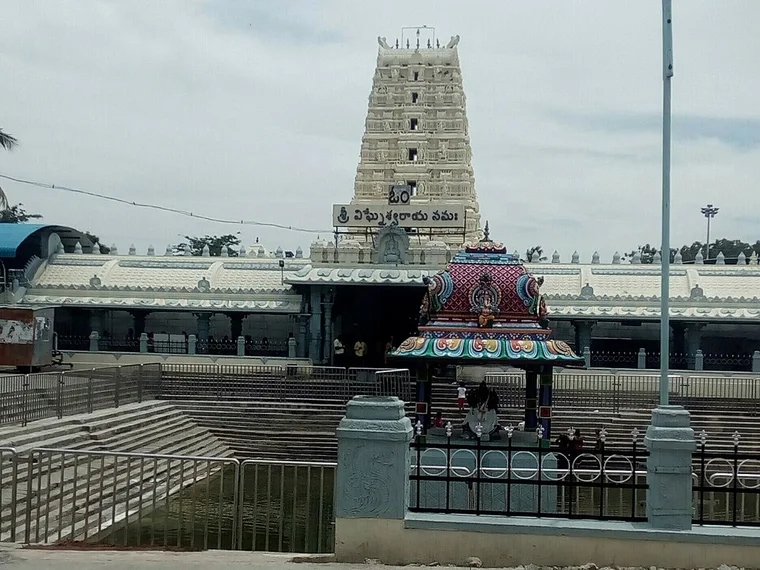
Kanipakam: Varasiddhi Vinayaka
Kanipakam near Chittoor is dedicated to Varasiddhi Vinayaka. Its self-manifested image is part of the temple’s devotional tradition.
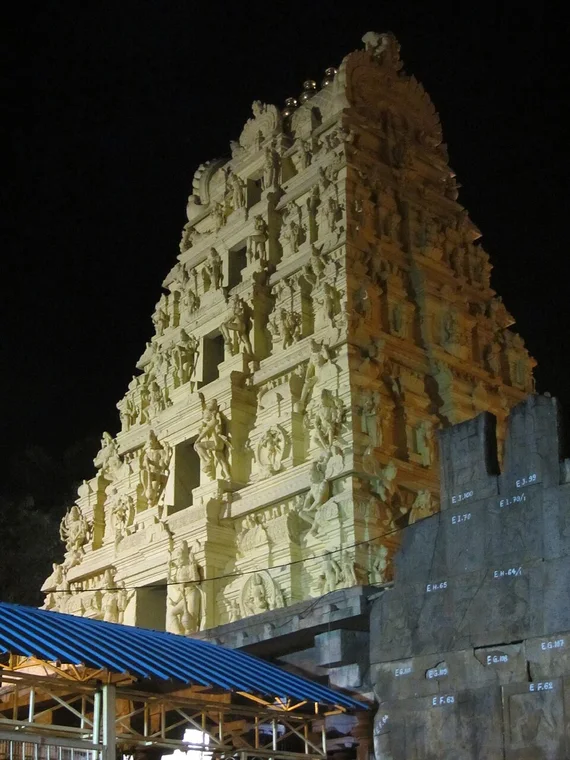
Srisailam: Mallikarjuna and Bhramaramba
Srisailam in the Nallamala hills houses Mallikarjuna Jyotirlinga and Bhramaramba Devi. The final approach is by road.
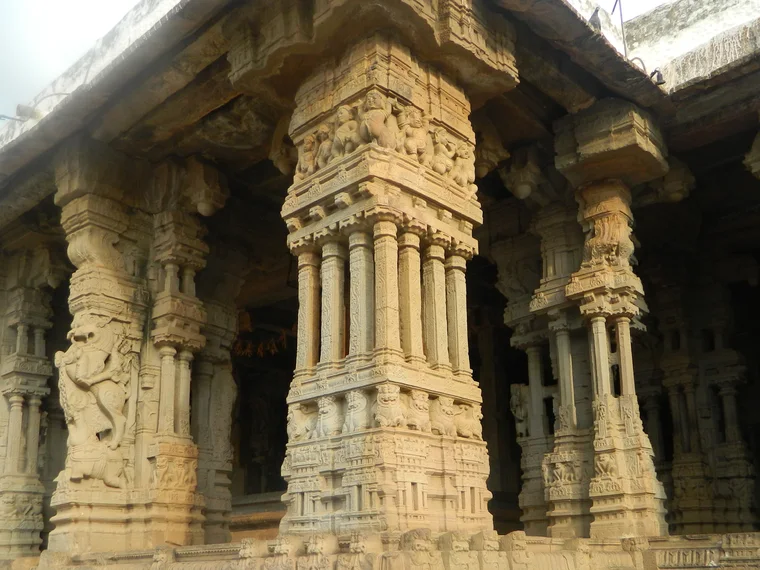
Ahobilam: Nava Narasimha pilgrimage
Ahobilam is associated with nine forms of Narasimha. Plan Lower Ahobilam, Upper Ahobilam and hill walks separately.
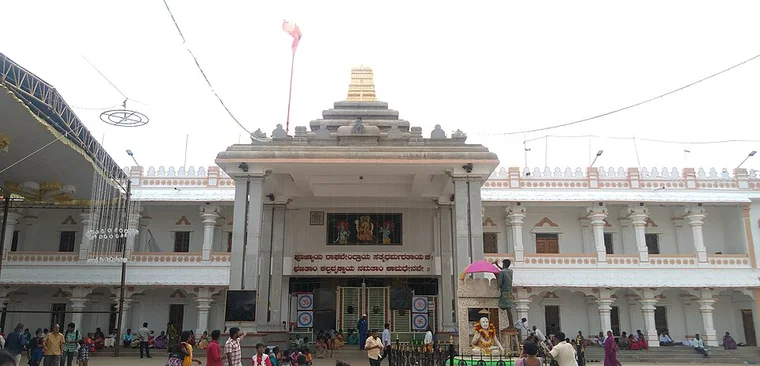
Mantralayam: Sri Raghavendra Swamy
Mantralayam on the Tungabhadra contains Sri Raghavendra Swamy’s Brindavana. This Madhva pilgrimage is in Andhra Pradesh’s Kurnool region.
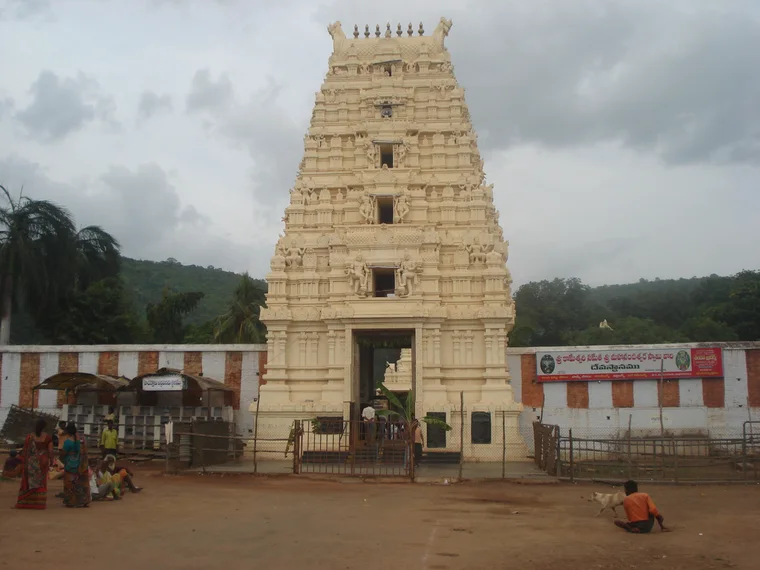
Mahanandi: Mahanandiswara Temple
Mahanandi near Nandyal is a Shiva shrine known for its temple tank and spring water. Ask about bathing rules.
Andhra Pradesh · NandyalYaganti: Uma Maheswara Temple
Yaganti has an Uma Maheswara shrine, a large Nandi image and nearby caves. Allow extra time for cave steps.
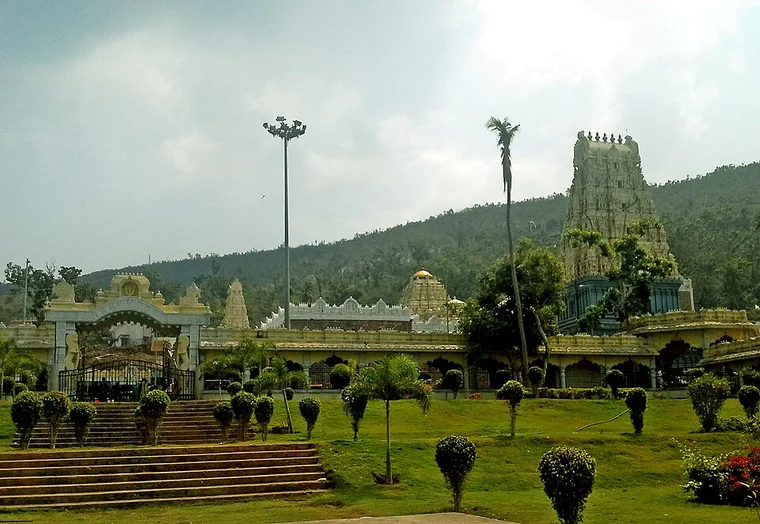
Simhachalam: Varaha Lakshmi Narasimha
Simhachalam near Visakhapatnam is dedicated to Varaha Lakshmi Narasimha. Chandanotsavam is a major temple festival.
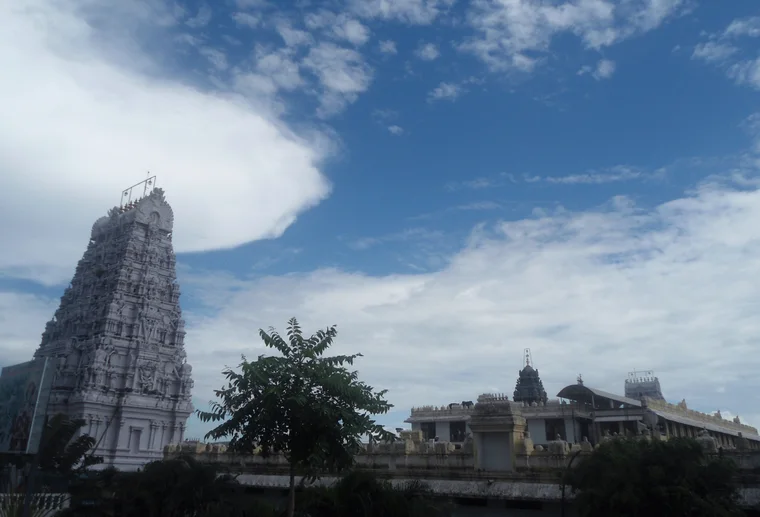
Annavaram: Satyanarayana Swamy
Annavaram on Ratnagiri hill is known for Satyanarayana worship and vratam. Plan ritual registration separately from ordinary darshan.
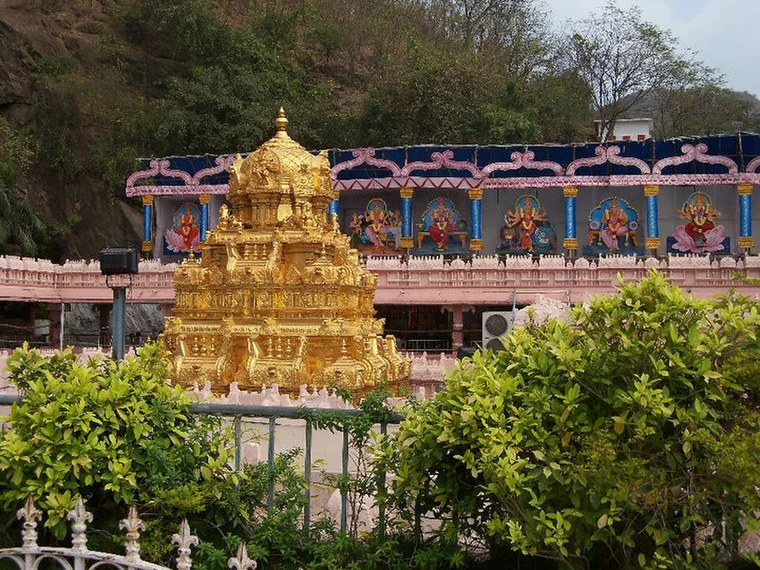
Vijayawada: Kanaka Durga Devi
Kanaka Durga stands on Indrakeeladri above the Krishna River. Allow extra time for darshan and city travel during Dasara.
Andhra Pradesh · GunturMangalagiri: Panakala Narasimha
Mangalagiri’s Panakala Narasimha is associated with offering jaggery panakam. Plan the hill and town temples as separate visits.
Andhra Pradesh · Amaravathi · PalnaduAmaravathi: Amararama Amareswara
Amareswara in historic Amaravathi beside the Krishna is the Amararama Pancharama shrine. Allow separate time for Buddhist heritage nearby.
Andhra Pradesh · KonaseemaDraksharamam: Bhimeswara and Manikyamba
Draksharamam’s Bhimeswara is a Pancharama shrine. Manikyamba Devi connects the complex with both Shiva and Shakti worship.
Andhra Pradesh · Bhimavaram · West GodavariBhimavaram: Somarama Someswara
Someswara at Gunupudi in Bhimavaram is the Somarama Pancharama shrine. Bhimavaram Town and Junction are different stations.
Andhra Pradesh · Palakollu · West GodavariPalakollu: Ksheerarama
Ksheera Ramalingeswara at Palakollu is the Ksheerarama Pancharama shrine. Plan onward travel from Vijayawada to the town.
Andhra Pradesh · Samalkot · KakinadaSamalkot: Kumararama Bhimeswara
Kumara Bhimeswara at Samalkot is the Kumararama Pancharama shrine. Use local transport from the railway junction to the temple.
Andhra Pradesh · EluruDwaraka Tirumala: Chinna Tirupati
Dwaraka Tirumala near Eluru is a Venkateswara shrine called Chinna Tirupati. It is distinct from Gujarat’s Dwarka and Tirumala near Tirupati.
Andhra Pradesh · SrikakulamArasavalli: Suryanarayana Temple
Arasavalli near Srikakulam is a prominent Suryanarayana shrine. Srikakulam Road station is outside the town, requiring onward transport.
Andhra Pradesh · SrikakulamSrikurmam: Vishnu’s Kurma shrine
Srikurmam worships Vishnu as Kurma, the tortoise incarnation. If combining it with Arasavalli, allow time for each shrine.
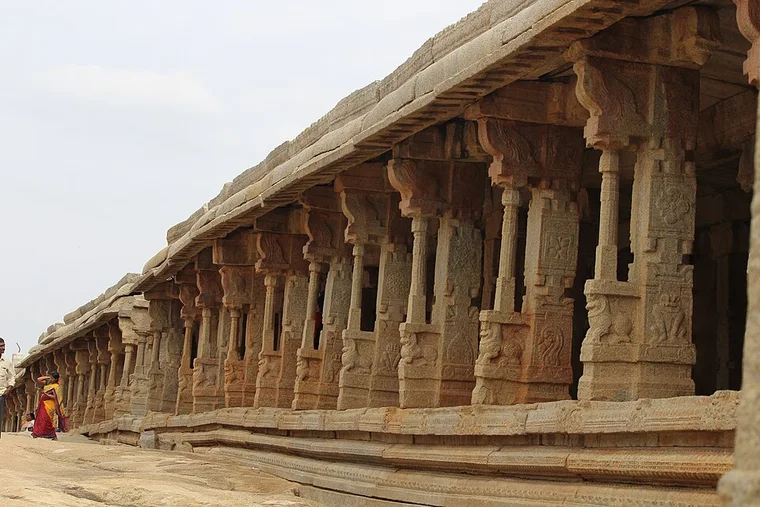
Lepakshi: Veerabhadra Temple
Lepakshi near Hindupur is known for its Vijayanagara-era Veerabhadra temple and large Nandi. Avoid touching sculptures and pillars.
Andhra Pradesh · YSR KadapaVontimitta: Kodandarama Temple
Vontimitta near Kadapa is known for its Kodandarama shrine and carved mandapa. Allow extra visiting time around Rama Navami.
Karnataka–Telangana border
Pilgrimage places in Madhya Pradesh
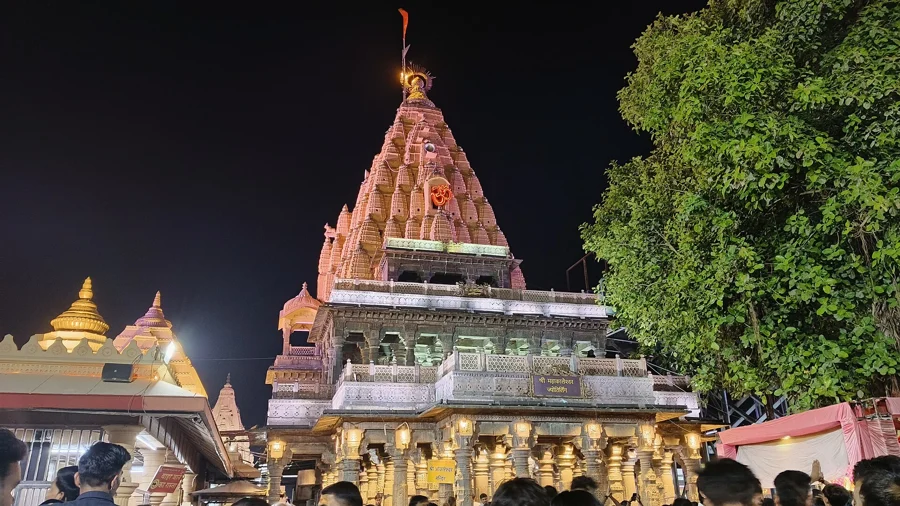
Ujjain: Mahakaleshwar Jyotirlinga
Mahakaleshwar in Ujjain is one of the twelve Jyotirlingas. Bhasma Aarti has arrangements separate from ordinary darshan.
Madhya Pradesh · UjjainUjjain: Harsiddhi Mata
Harsiddhi is an important Devi shrine in Ujjain, recognised by its twin lamp towers and Navratri celebrations.
Madhya Pradesh · UjjainUjjain: Kal Bhairav
Kal Bhairav belongs to Ujjain’s Shaiva tradition. Its distinctive offering customs are devotional practices; participation is voluntary.
Madhya Pradesh · UjjainUjjain: Chintaman Ganesh
Chintaman Ganesh is an old shrine outside central Ujjain, associated with the tradition of offering the first wedding invitation.
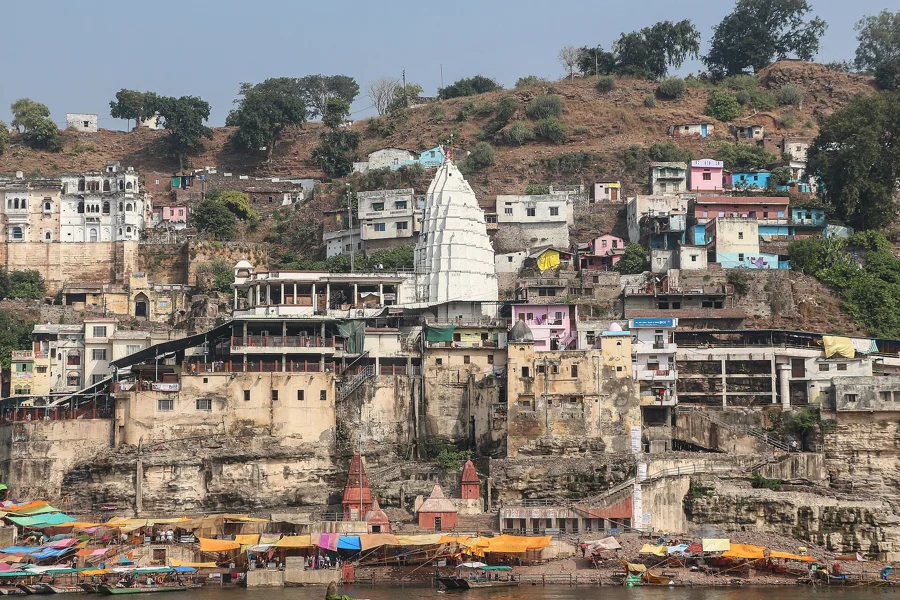
Omkareshwar: Jyotirlinga on the Narmada
Omkareshwar is a Jyotirlinga shrine on Mandhata island in the Narmada. Pilgrims also undertake an island parikrama.
Madhya Pradesh · KhandwaMamleshwar: Omkareshwar’s mainland shrine
Mamleshwar, also called Amareshwar, stands on the Narmada’s southern mainland bank and is visited alongside the separate island shrine.
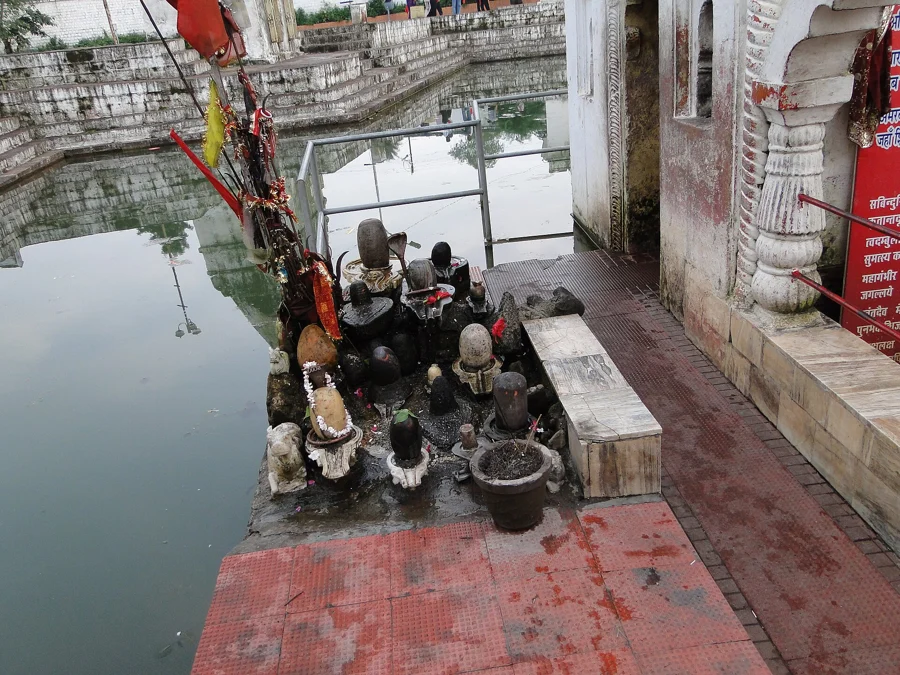
Amarkantak: source of the Narmada
Amarkantak’s Narmada Udgam temple and kund mark the river’s sacred source. Kapildhara and Kalachuri temples are separate visits.
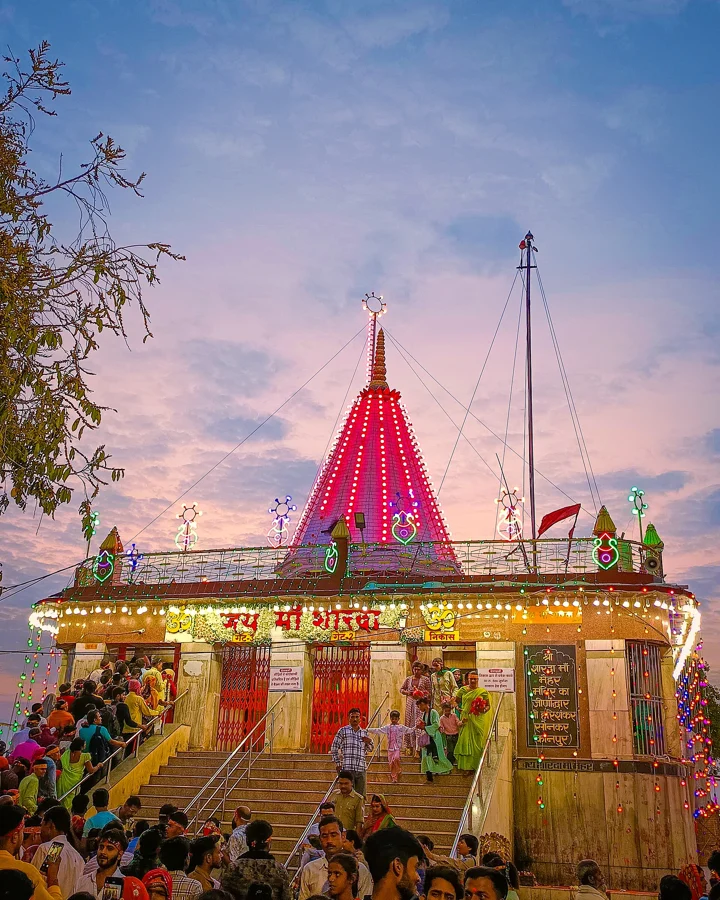
Maihar: Sharda Devi
Sharda Devi stands on Maihar’s Trikoota hill, reached by steps or an operating ropeway. Alha’s story belongs to local devotional tradition.
Madhya Pradesh · Madhya Pradesh–Uttar Pradesh borderChitrakoot: Kamadgiri and Ramayana tradition
Chitrakoot is associated with Ramayana exile traditions. Kamadgiri parikrama and Gupt Godavari are prominent; its sites span both states.
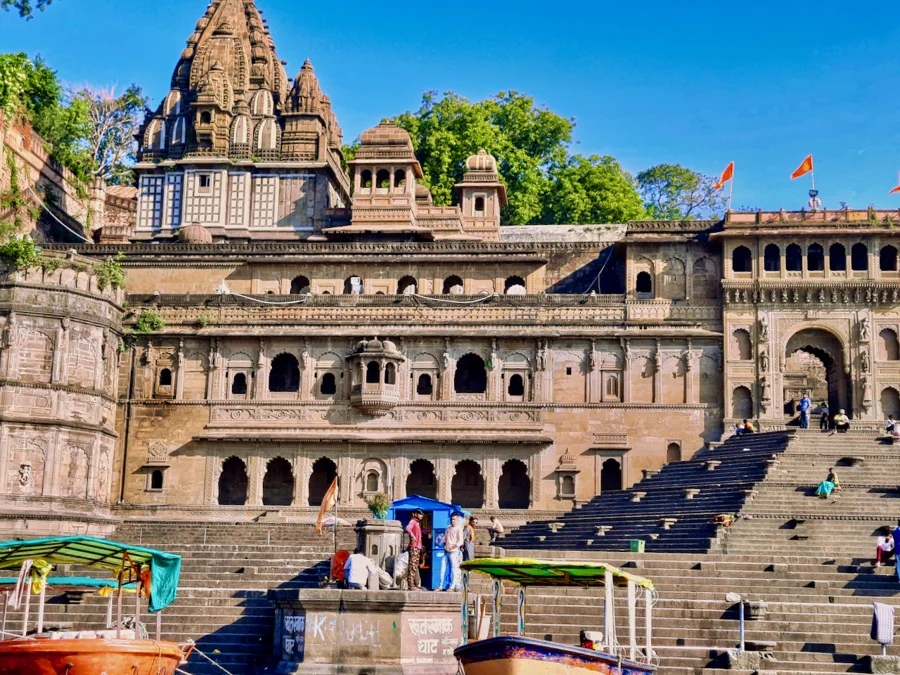
Maheshwar: Ahilyeshwar and Narmada ghats
Maheshwar combines Narmada ghats with Ahilyeshwar and Rajrajeshwar temples, set within the heritage of Ahilyabai Holkar.
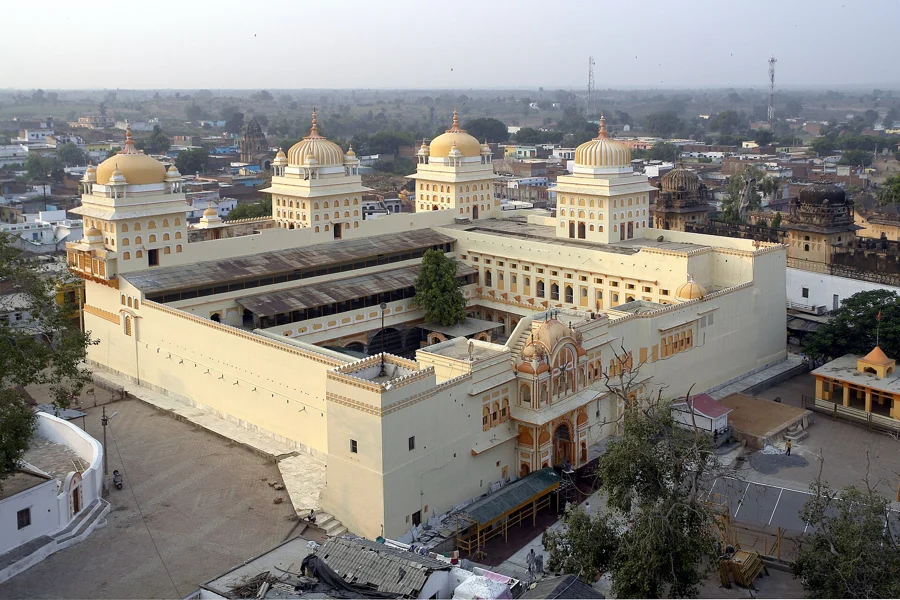
Orchha: Ram Raja temple
Orchha’s Ram Raja temple worships Rama as a king. The Betwa-side town also preserves Bundela heritage.
Madhya Pradesh · DatiaDatia: Peetambara Peeth
Datia’s Peetambara Peeth is known for Baglamukhi and Dhumavati worship. Ask its office about ritual arrangements.
Madhya Pradesh · DatiaSonagiri: Jain pilgrimage
Sonagiri near Datia is a hill complex of Jain temples. Allow for the climb and respect its quiet devotional setting.
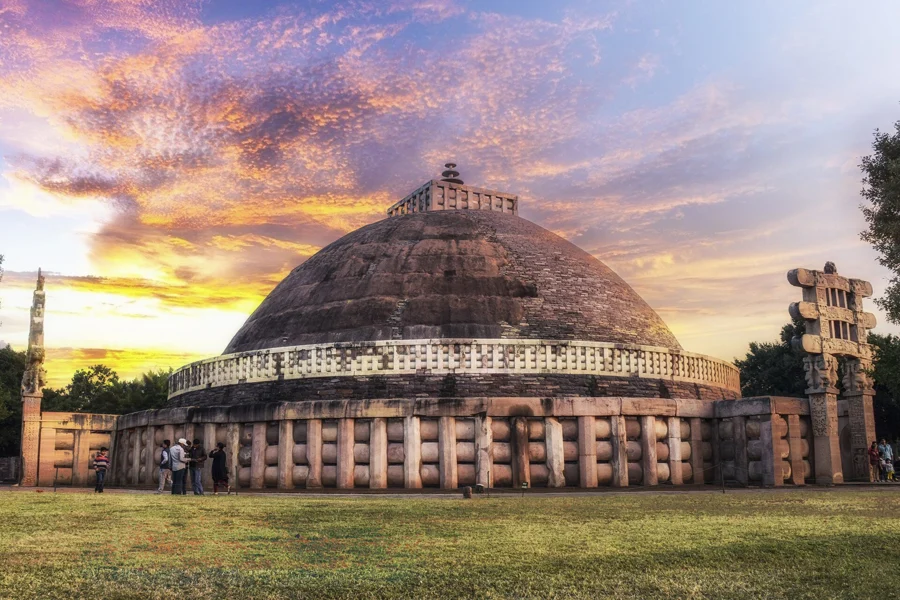
Sanchi: Buddhist stupas
Sanchi’s stupas, gateways and monasteries preserve Buddhist heritage. Its monuments are a UNESCO World Heritage Site.
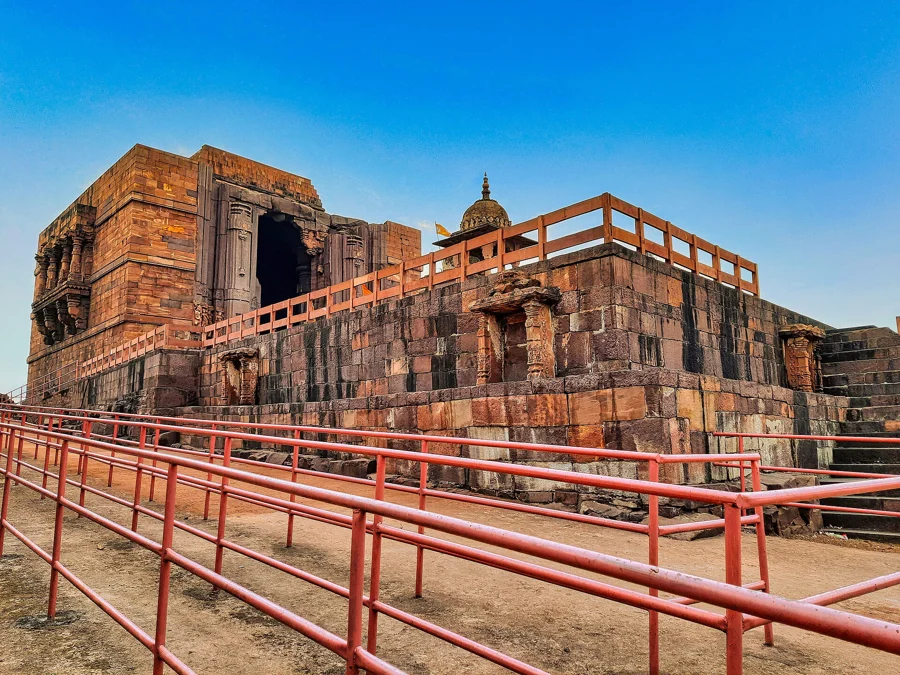
Bhojpur: Bhojeshwar Mahadev
Bhojeshwar near Bhopal is known for its large stone Shiva lingam and the architecture of its unfinished temple.
Madhya Pradesh · BarwaniBawangaja: Adinath Jain pilgrimage
Bawangaja near Barwani has a large rock-cut Adinath image and hill temples. Plan the base visit and climb separately.
Madhya Pradesh · MandsaurMandsaur: Pashupatinath
Mandsaur’s Pashupatinath stands beside the Shivna and has an eight-faced Shiva image. It is distinct from Nepal’s temple.
Madhya Pradesh · Agar MalwaNalkheda: Baglamukhi Mata
Nalkheda’s Baglamukhi temple stands by the Lakhundar in Agar Malwa. Arrange havan or puja through its official office.
Madhya Pradesh · SehoreSalkanpur: Bijasan / Vijayasan Devi
Salkanpur’s Bijasan or Vijayasan Devi occupies a hill in Sehore. Navratri brings crowds; allow extra time for the ascent.
Madhya Pradesh · IndoreIndore: Khajrana Ganesh
Khajrana Ganesh is a major Indore shrine. Plan city transport and darshan around festival crowds.
Pilgrimage places in Arunachal Pradesh
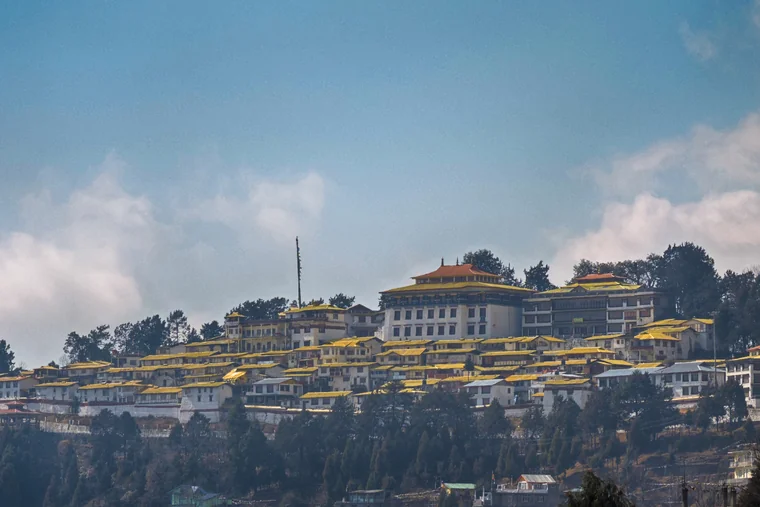
Tawang Monastery: Galden Namgyal Lhatse
This Tawang monastery is a major centre of the Gelug Buddhist tradition. Its prayer hall and Buddha image are part of a living religious institution. Respect the monks’ study and worship, and allow rest during the mountain journey.
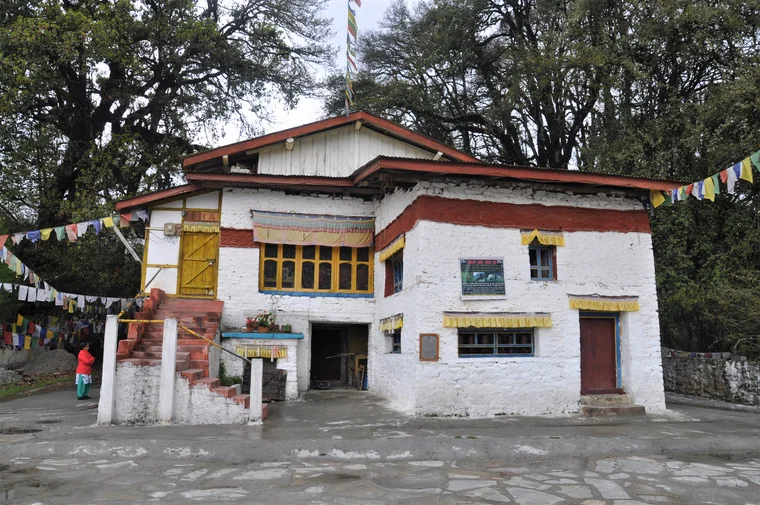
Urgelling / Ugyen Ling Monastery
Ugyen Ling near Tawang preserves the birthplace of Tsangyang Gyatso, the Sixth Dalai Lama. It is a separate, smaller sacred site. Allow time for its prayer wheels and quiet surroundings alongside a Tawang visit.
TawangGyangong Ani Gompa: Buddhist nunnery
Also called Jangchub Choeling, this Buddhist nunnery lies northwest of Tawang Monastery. It is a place of religious learning and practice. Ask about visitor access and respect the nuns’ residential privacy.
TawangTaktsang Gompa, Tawang
Buddhist tradition associates Tawang’s Taktsang with Guru Padmasambhava. This Arunachal site is distinct from the Tiger’s Nest at Paro in Bhutan. Confirm the remote road and access arrangements locally before setting out.
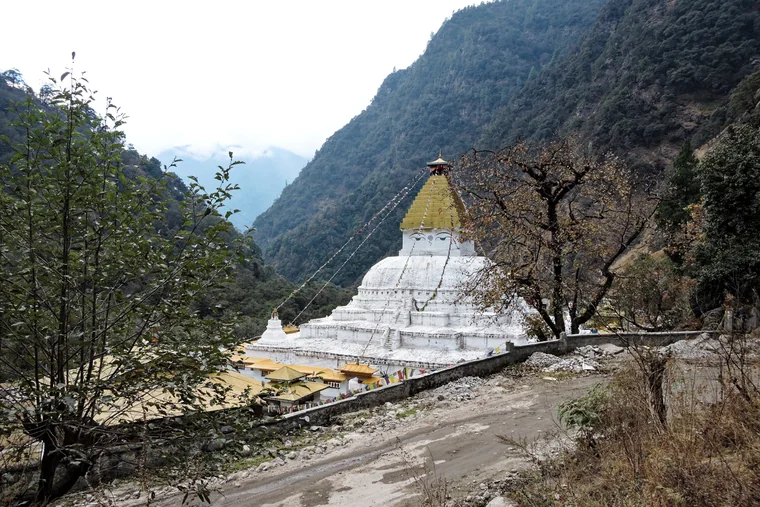
Gorsam Chorten, Zemithang
Gorsam Chorten in Zemithang is a Buddhist stupa and a significant local pilgrimage centre, associated with Gorsam Kora. Plan a separate road trip from Tawang, and confirm festival dates and visitor access with local authorities.
West Kameng: RupaChilipam Monastery, Rupa
Chilipam Gompa is a hilltop Buddhist monastery near Rupa in West Kameng. Its religious art and valley setting make it a worthwhile visit. Arrange a local vehicle for the winding final road from Rupa.
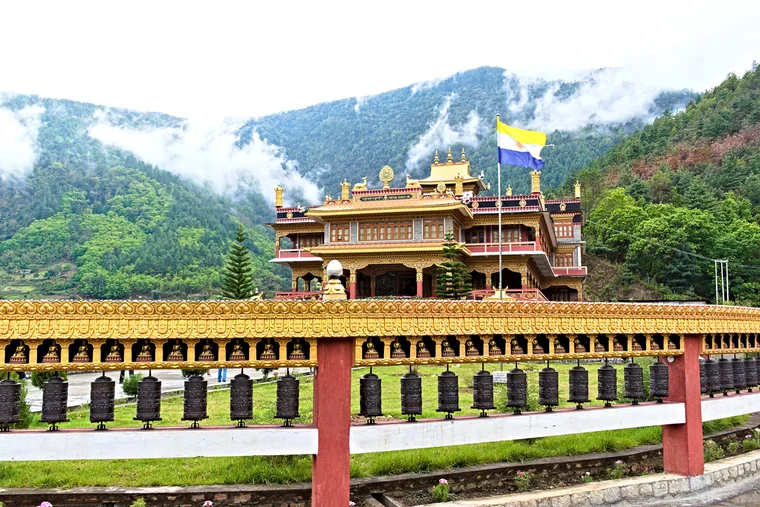
Thupsung Dhargye Ling, Dirang
This Buddhist monastery stands on a hill above Dirang. The Dalai Lama’s office documented its inauguration in 2017. A stop in Dirang on the Tawang route allows time for the prayer hall and quiet grounds.
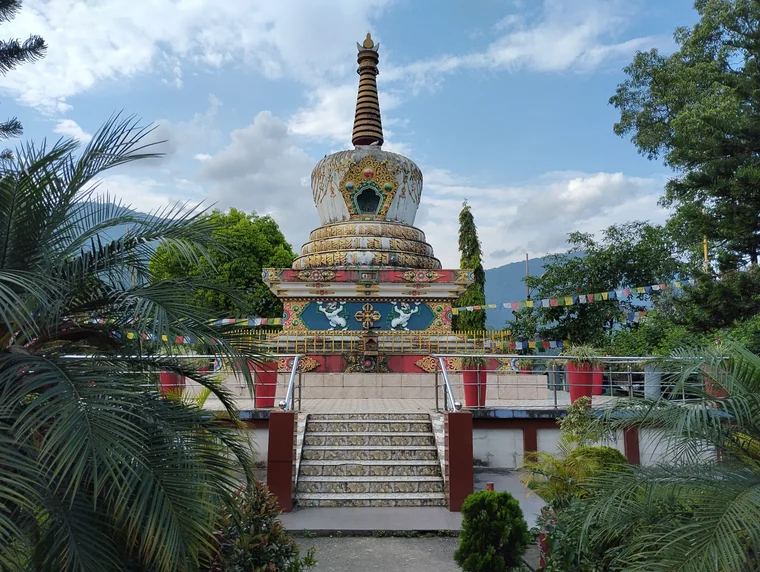
Gompa Temple, Itanagar
Itanagar’s hilltop Gompa is a Buddhist place of prayer, with a stupa, prayer hall and views over the capital. Continue by road from Naharlagun or Harmuti stations. It belongs to a different travel circuit from Tawang.
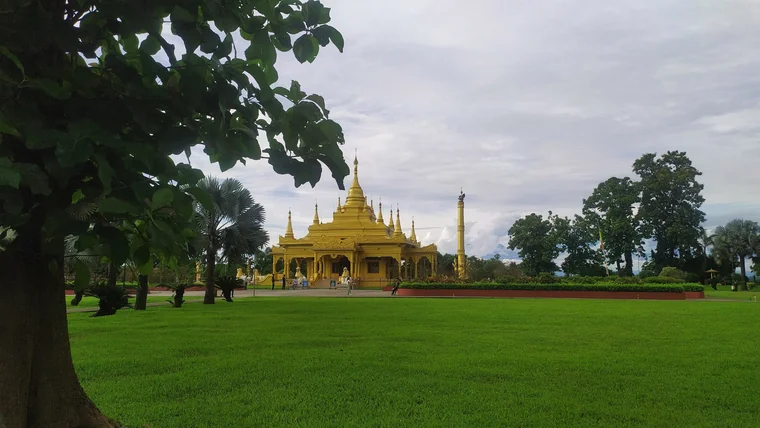
Golden Pagoda / Kongmu Kham, Namsai
Kongmu Kham at Tengapani is a Buddhist pagoda built in Thai–Burmese style. Its Buddha image and gardens sit within a Tai Khampti–Singpho cultural setting. New Tinsukia station and Dibrugarh airport are useful gateways to Namsai.
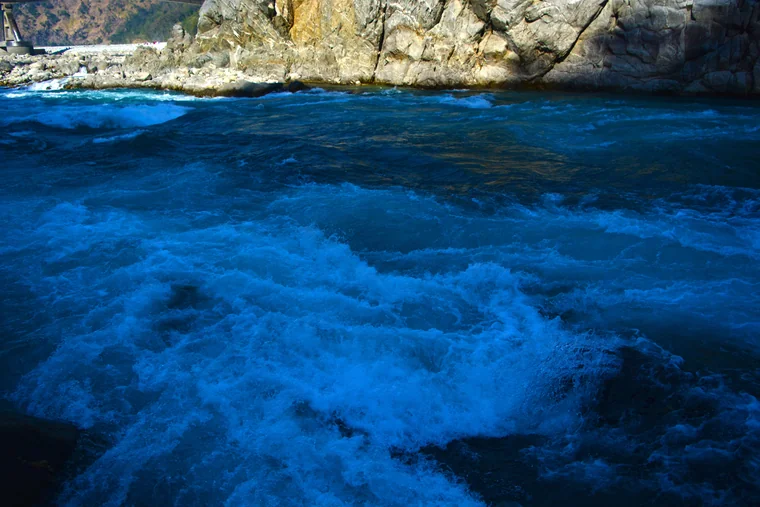
Parashuram Kund, Lohit
Parashuram Kund on the Lohit River is associated in Hindu tradition with Parashurama’s repentance. Makar Sankranti draws pilgrims. The devotional belief does not guarantee an outcome from bathing; check river conditions and local restrictions.
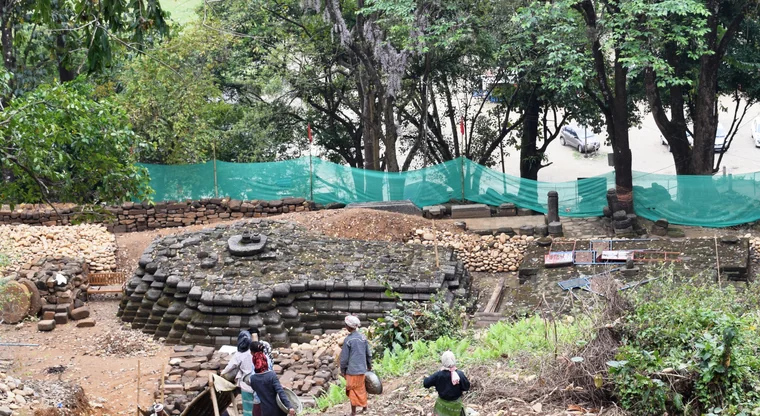
Malinithan, Likabali
Malinithan near Likabali combines Durga worship with the archaeological remains of an ancient temple. Local tradition connects it with Krishna and Rukmini’s journey. View the carvings and foundations without touching or climbing the remains.
Likabali regionAkashiganga: sacred spring and shrine
Akashiganga is a sacred spring and shrine on the route from Malinithan towards Aalo. Local Shakti tradition associates it with Sati. Combine it with a Malinithan visit after confirming access, steps and water conditions.
Pilgrimage places in Assam
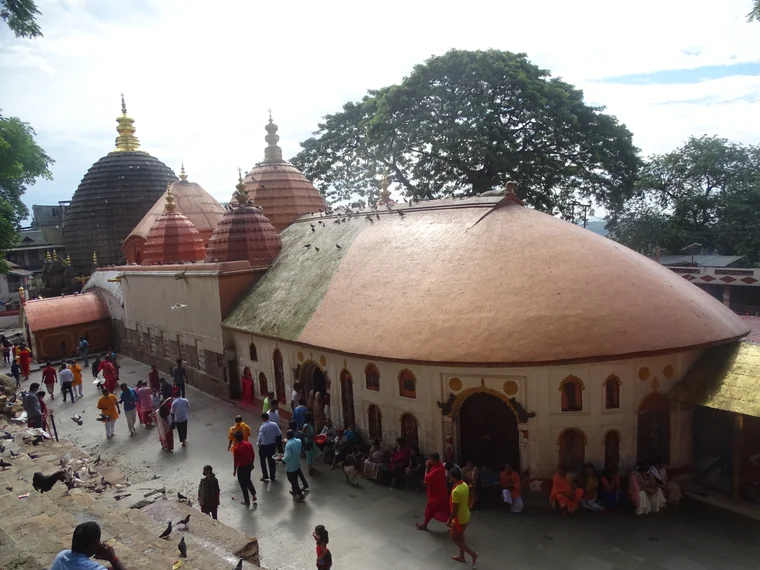
Kamakhya Devi Temple
Kamakhya on Guwahati’s Nilachal Hill is a renowned Shakti shrine. Worship centres on a natural rock formation. Check the official annual Ambubachi closure and reopening dates before planning darshan.
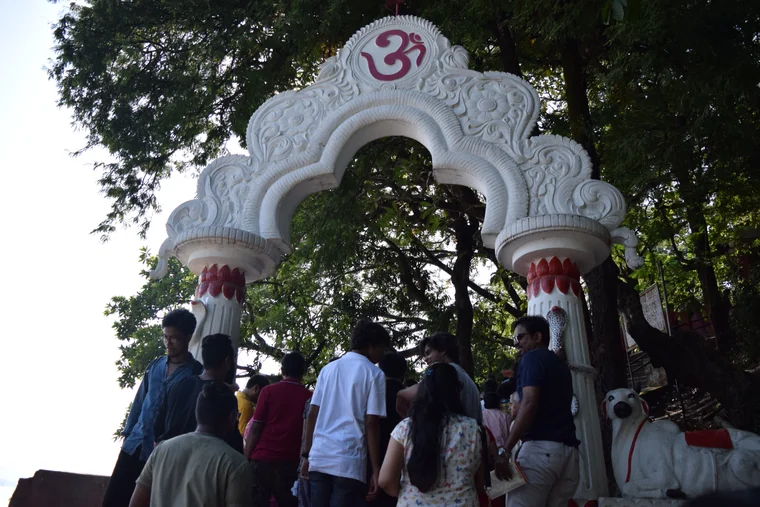
Umananda Shiva Temple
Umananda is a Shiva temple on an island in the Brahmaputra, with Ahom-era heritage. Reach it by an authorised ferry from Guwahati and confirm the final return sailing before crossing.
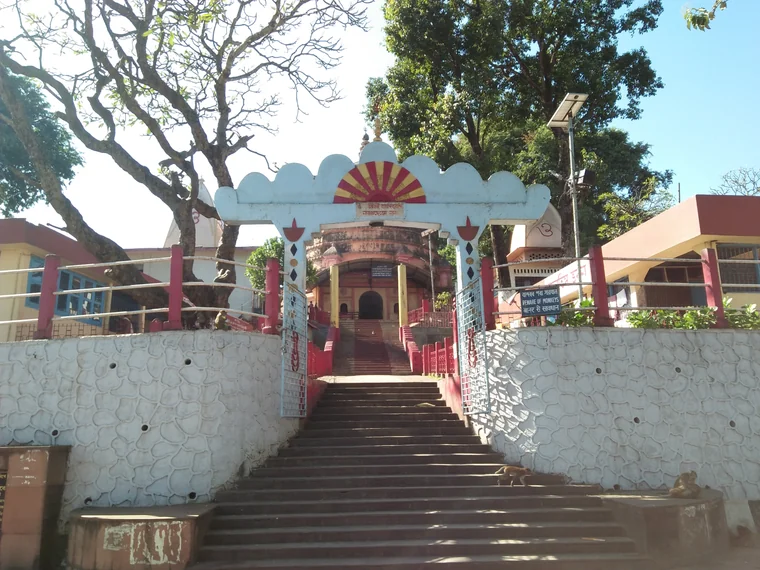
Navagraha Temple, Guwahati
This hilltop shrine is associated with worship of the nine celestial deities and Guwahati’s Pragjyotishpur tradition. Rituals are expressions of faith; no specific personal outcome is guaranteed.
Guwahati / Uzan BazarUgratara Devi Temple
Ugratara in Uzan Bazar is an important goddess shrine near the Jor Pukhuri tanks. Its Ahom-era heritage fits a Guwahati temple circuit. Ask about current worship and access arrangements.
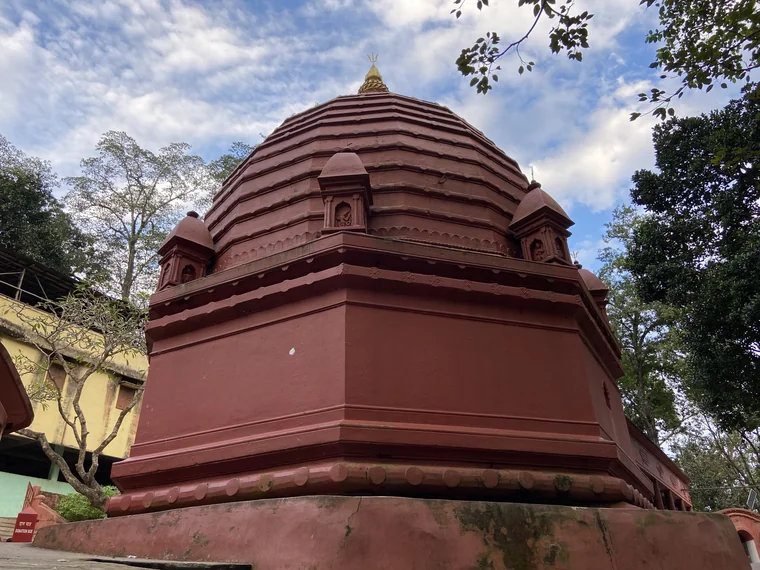
Basistha / Vashistha Ashram
Basistha Ashram in southern Guwahati is traditionally associated with sage Vashistha. Temple grounds and small streams shape its setting. Treat the association as devotional tradition and avoid slippery rocks during rain.
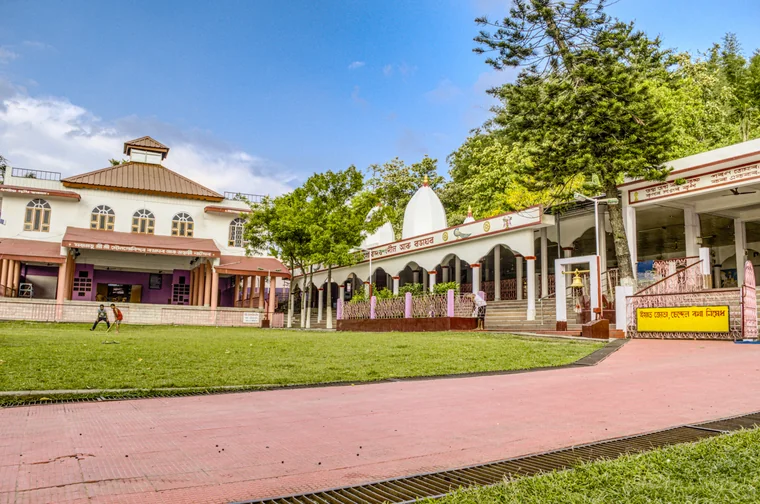
Doul Govinda Temple
Doul Govinda at Rajaduar, North Guwahati, honours Govinda and Shyamaray on the Brahmaputra’s north bank. Plan the river crossing by road and consider a North Guwahati circuit with Aswaklanta.
North GuwahatiAswaklanta / Aswakranta Vishnu Temple
Aswaklanta is a Vishnu shrine beside the Brahmaputra in North Guwahati. Local tradition connects its name with Krishna’s horses resting here. Distinguish this devotional story from the temple’s built heritage.
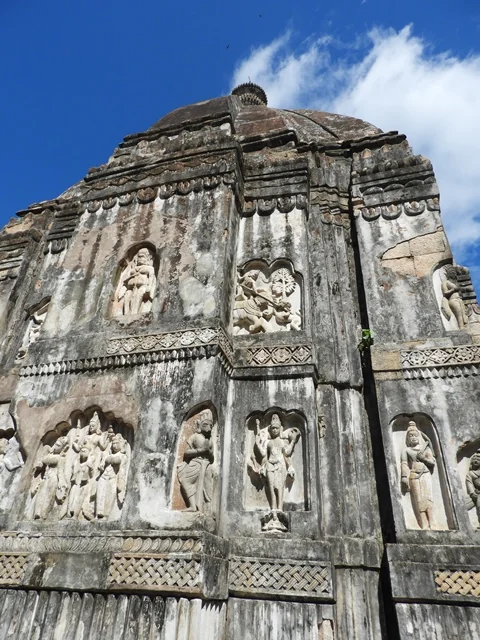
Hajo: Hayagriva Madhava Temple
Hayagriva Madhava is a major Vishnu shrine in Hajo, a town associated with Hindu, Buddhist and Muslim traditions. Allow time for the temple steps and other sacred sites on a day trip from Guwahati.
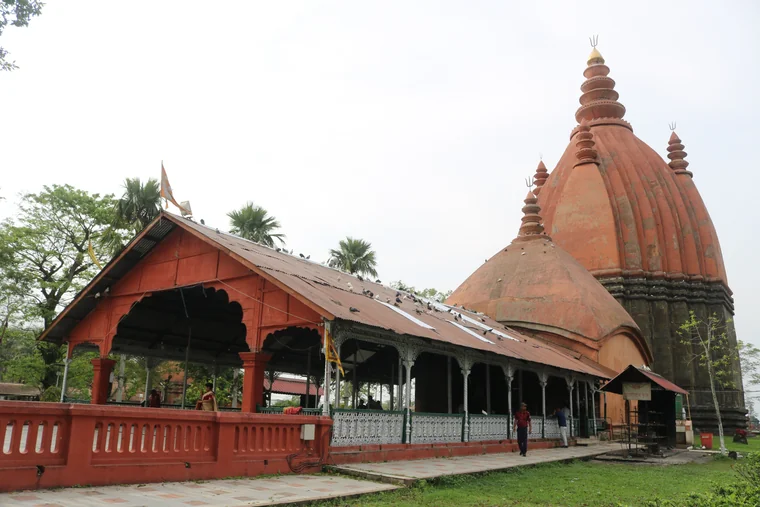
Sivasagar Shiva Dol, Vishnu Dol and Devi Dol
Shiva Dol, Vishnu Dol and Devi Dol stand beside the Sivasagar tank. Together they represent Ahom-era sacred architecture. Include all three in your visit; allow extra time around Mahashivratri.
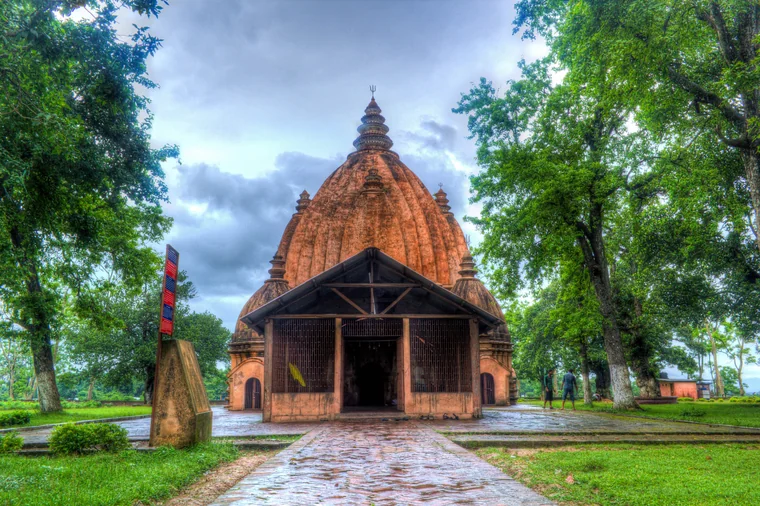
Negheriting Shiva Dol, Dergaon
Near Dergaon, the hilltop Shiva shrine is surrounded by Vishnu, Ganesha, Surya and Durga shrines in a Panchayatana arrangement. Allow time for the climb and secure food and belongings around monkeys.
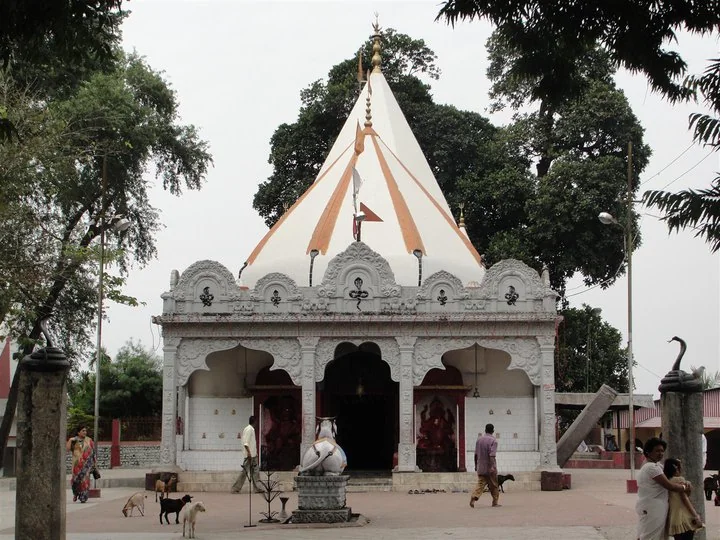
Mahabhairab Shiva Temple, Tezpur
Mahabhairab in Tezpur is a prominent Shiva shrine. Local devotional tradition links it with Banasura. Mahashivratri is a major celebration, so plan additional time for queues and return transport.
BiswanathBiswanath Ghat: Assam’s Gupta Kashi
Biswanath Ghat’s riverside temple cluster is known as Gupta Kashi. It combines Shiva worship with Brahmaputra heritage. Check river levels and local access before visiting, and keep clear of strong currents.
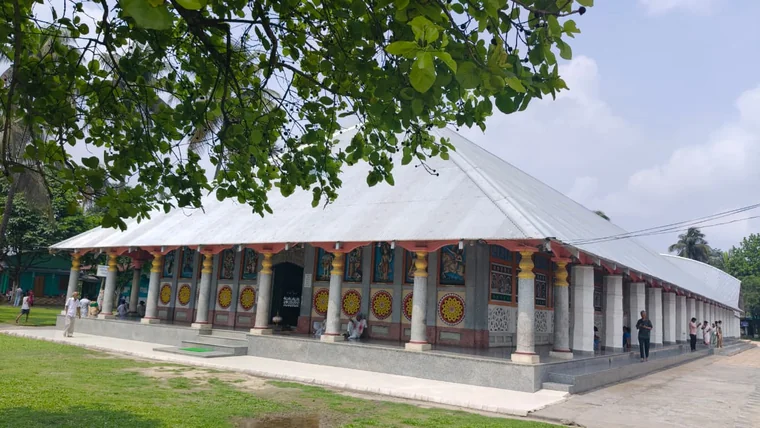
Barpeta Satra
Barpeta Satra, associated with Madhavdeva, is a major centre of Assam’s Ekasarana tradition. Its kirtan ghar supports congregational prayer. Ask the management about current access rules for each prayer area.
Batadrava / NagaonBatadrava / Bordowa Than
Batadrava near Nagaon is revered as Srimanta Sankardeva’s birthplace. Its namghar and kirtan tradition introduce Assamese Vaishnavite devotion. Allow time for worship and the surrounding heritage area, especially during Doul festivities.
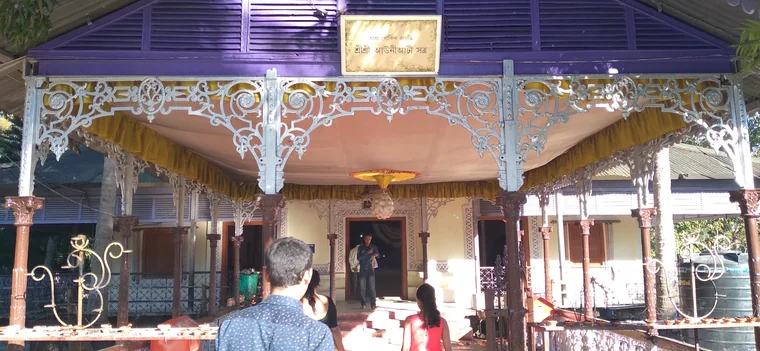
Majuli: Auniati Satra
Auniati Satra in Majuli is known for Vaishnavite worship, Paalnaam and Sattriya traditions. Heritage collections are part of the institution. Ask about prayer and collection access; performances are not guaranteed daily.
Majuli / DakhinpatMajuli: Dakhinpat Satra
Dakhinpat Satra is a living Vaishnavite institution in Majuli, associated with Krishna devotion and Raas Leela. Confirm festival dates, programmes and accommodation before travelling, with spare time for ferry connections.
Majuli / Uttar KamalabariMajuli: Uttar Kamalabari Satra
Uttar Kamalabari is a distinct Majuli satra within the Kamalabari tradition, preserving devotional music and Sattriya dance. Give your driver the full name to distinguish it from other Kamalabari institutions.
Majuli / GaramurMajuli: Garamur Satra
Garamur Satra forms part of Majuli’s Vaishnavite heritage, with Raas traditions and preserved historic objects. Ask about access to prayers and collections, and respect the institution’s residential areas.
Dhekiakhowa / JorhatDhekiakhowa Bornamghar
This congregational prayer centre in Jorhat district is associated with Madhavdeva. Kirtan and its tradition of maintaining a devotional lamp are important to worshippers. Observe prayers quietly and leave sacred objects undisturbed.
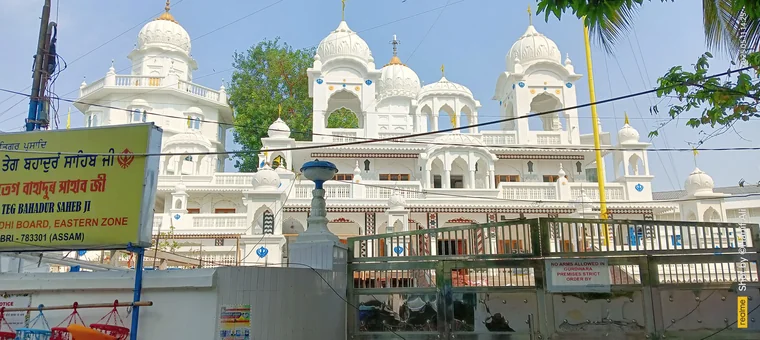
Dhubri: Sri Guru Tegh Bahadur Sahib Gurdwara
This Dhubri gurdwara by the Brahmaputra commemorates the Ninth Sikh Guru, Tegh Bahadur. Prayer, seva and langar are part of gurdwara tradition. Cover your head, remove shoes and confirm accommodation with management.
Pilgrimage places in Bihar
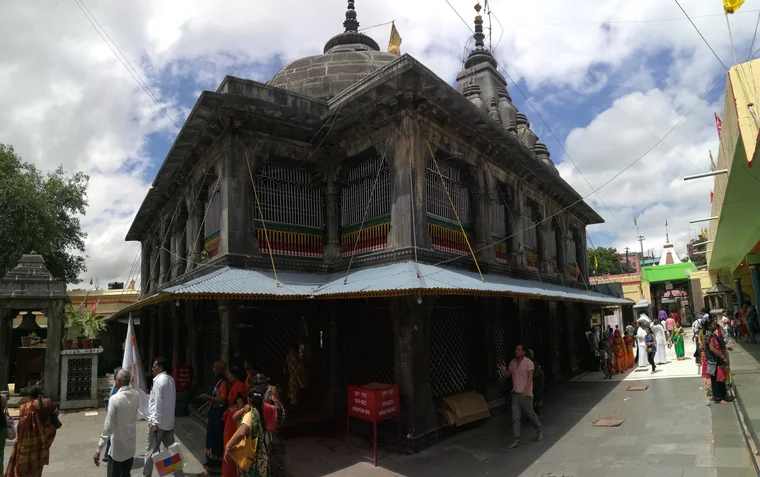
Gaya: Vishnupad Temple and ancestral pilgrimage
Vishnupad near the Phalgu river venerates a stone traditionally identified with Vishnu’s footprint. Gaya is a major centre for ancestral remembrance and pind daan. Agree on the ritual, materials and total cost before beginning.
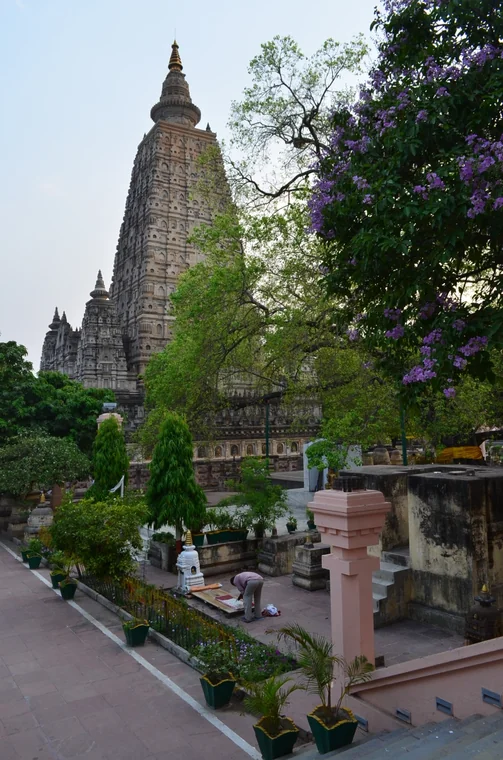
Bodh Gaya: Mahabodhi Temple and Bodhi Tree
The UNESCO-listed Mahabodhi complex marks the site associated with the Buddha’s enlightenment. The temple, Bodhi Tree and Vajrasana are central to a visit. Allow quiet time for contemplation and follow current security and access instructions.
Gaya / Mangla Gauri HillGaya: Mangla Gauri Shakti shrine
Mangla Gauri is a hilltop goddess shrine in Gaya, revered in Shakti traditions. Plan time for the steps. Older visitors and those with limited mobility should ask about assistance before travelling.
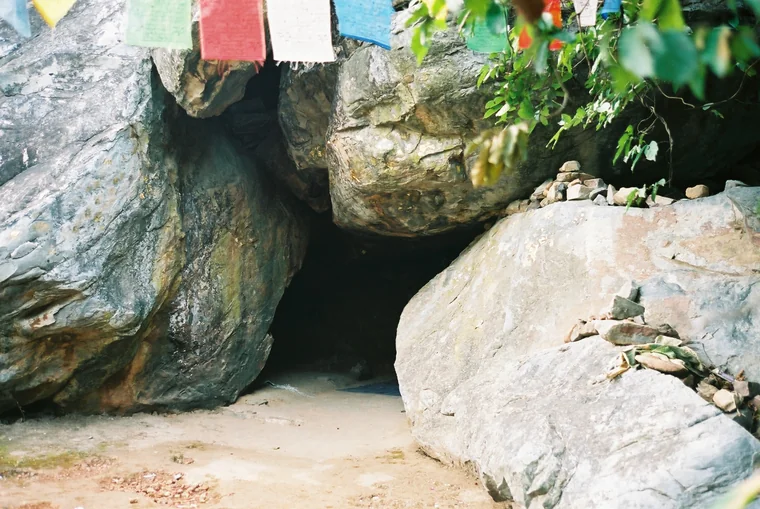
Rajgir: Griddhakuta / Vulture’s Peak
Griddhakuta is a major Buddhist pilgrimage hill associated with the Buddha’s teachings. The prayer site requires a walking ascent. Avoid midday heat, carry water and allow enough daylight for the return.
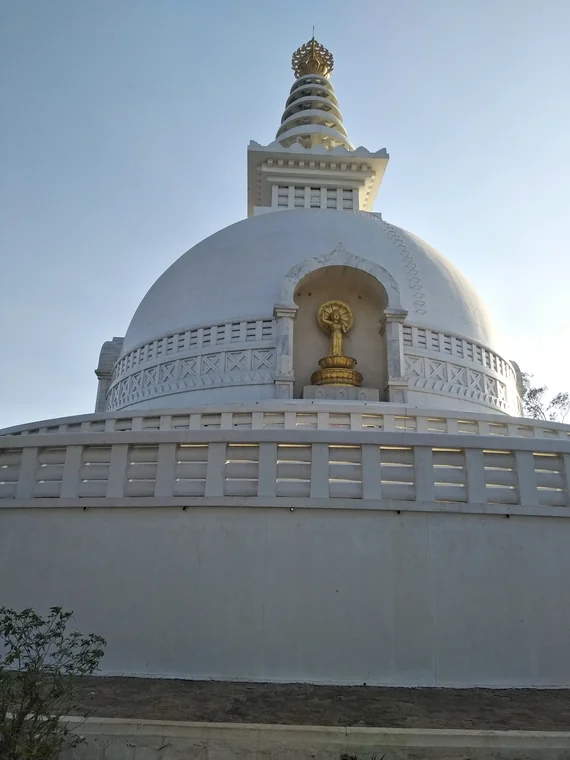
Rajgir: Vishwa Shanti Stupa
The white Peace Pagoda on Ratnagiri Hill celebrates peace and compassion through images of the Buddha’s life. It is a separate stop from Griddhakuta. Confirm the operating ropeway and return arrangements before ascending.
Rajgir / BrahmakundRajgir: Brahmakund and hot springs
Brahmakund is a hot spring associated with Rajgir’s sacred bathing tradition. Visit its surrounding shrines as well. Water may be hot and steps slippery; bathing is optional and should not be treated as a cure for illness.
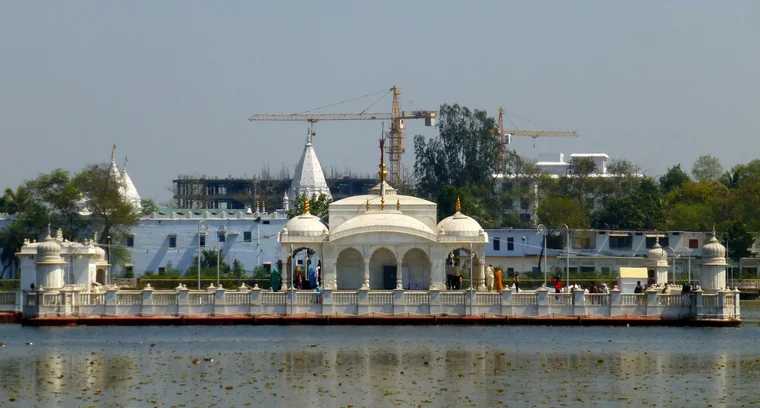
Pawapuri: Jain Jal Mandir
Pawapuri is a Jain pilgrimage associated with Mahavira’s nirvana. Its Jal Mandir stands in a pond, reached by a pedestrian causeway. Respect worship and photography rules and use the designated walkway.
Kundalpur / Nalanda districtKundalpur Jain pilgrimage near Nalanda
Kundalpur in Nalanda district is a Jain temple destination. Digambara tradition associates it with Mahavira’s birth, while other traditions identify the birthplace differently. Distinguish this Bihar site from Kundalpur in Madhya Pradesh.
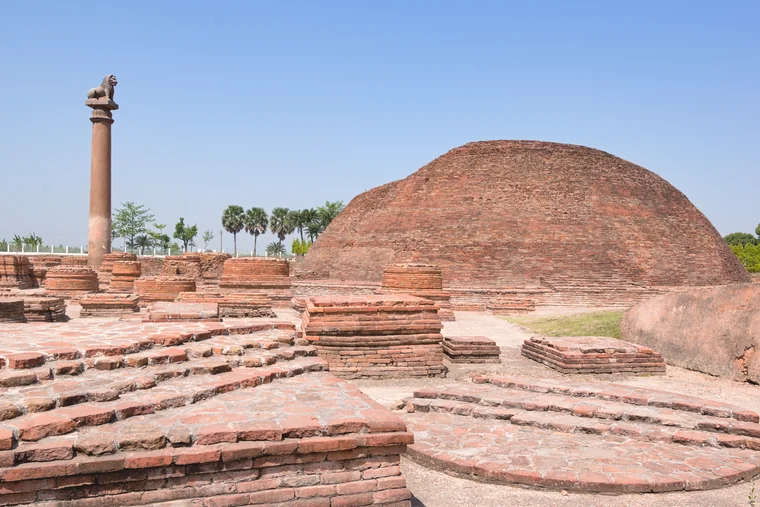
Vaishali: relic stupa, Ashoka pillar and Peace Pagoda
Vaishali preserves major Buddhist heritage associated with the Buddha’s life. The relic stupa, Kolhua’s Ashoka pillar and modern Peace Pagoda are separate stops. Plan local transport and enough time rather than treating them as one temple complex.
Dungeshwari Hills / GayaDungeshwari / Mahakala caves
Dungeshwari’s caves near Gaya are associated with the Buddha’s austerities before enlightenment. Buddhist and Hindu shrines share the area. This is a separate hill excursion from Mahabodhi; arrange the walking route, vehicle and return in advance.
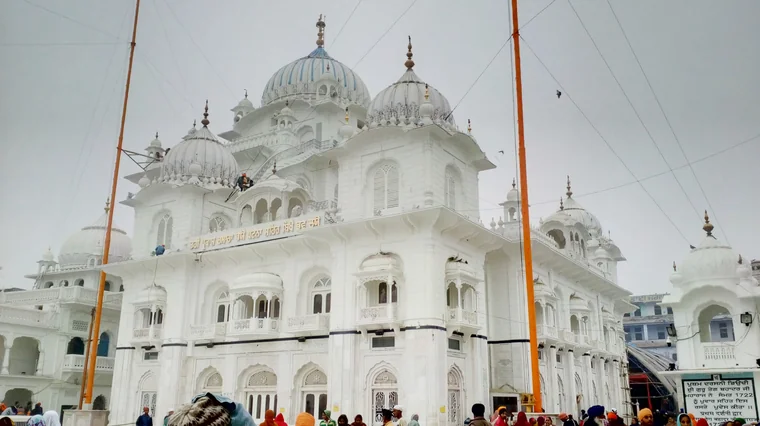
Takht Sri Harimandir Ji, Patna Sahib
Patna Sahib is a major Sikh takht associated with Guru Gobind Singh’s birthplace. Join the atmosphere of kirtan and Gurbani respectfully. Prakash Parv draws large gatherings, so arrange accommodation and local transport ahead.
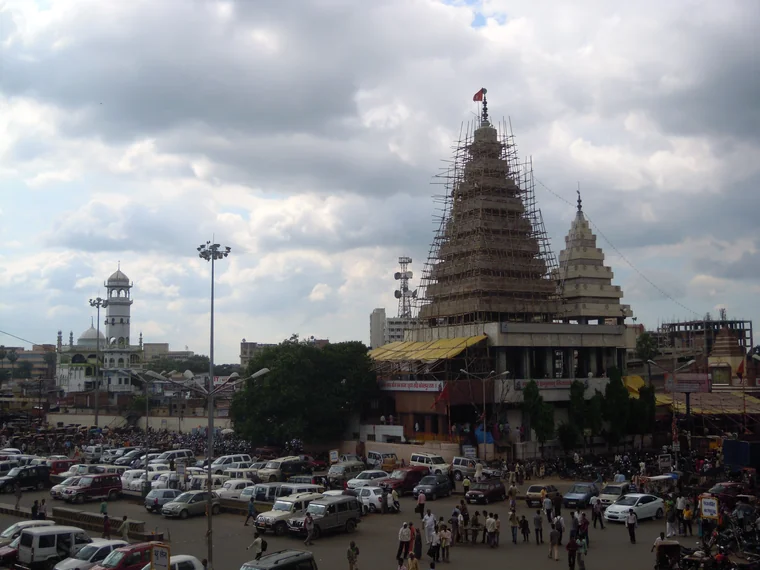
Mahavir Mandir, Patna: Hanuman worship
Mahavir Mandir beside Patna Junction is a popular Hanuman temple. Its name should not be confused with a Jain Mahavira shrine. Allow time for queues, especially around Ram Navami, and leave a buffer before your train.
Patna City / GulzarbaghBadi and Chhoti Patan Devi
Badi Patan Devi and Chhoti Patan Devi are separate goddess temples in Patna, important in local Shakti worship. Check both addresses and plan transport between them. Allow extra time for Navratri queues and traffic.
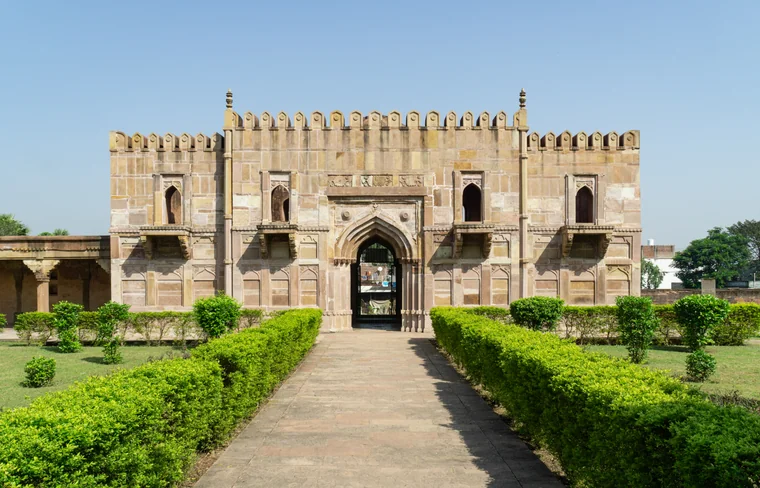
Maner Sharif: Bari and Chhoti Dargah
Maner west of Patna is a Sufi pilgrimage destination. Bari Dargah is associated with Makhdoom Yahya Maneri and Chhoti Dargah with Makhdoom Shah Daulat. Visit respectfully and confirm current Urs dates with local management.
Sonepur / SaranHariharnath Temple, Sonepur
Hariharnath Temple and the Kartik Purnima fair shape Sonepur’s pilgrimage traditions. Plan the temple and riverghat visits separately. Check accommodation and crowd arrangements during the fair, and follow local safety instructions at the river.
Sitamarhi townSitamarhi: Janaki Temple
Sitamarhi town’s Janaki Temple venerates Sita, Rama and Hanuman, with Janaki Kund nearby. This town shrine is distinct from Punaura Dham. Allow extra time around Janaki Navami and Ram Navami.
Punaura / west of SitamarhiPunaura Dham: Sita’s birthplace tradition
Punaura Dham west of Sitamarhi is revered in the tradition of Sita’s birth, with a temple area and Janaki Kund. Plan a separate visit to the town’s Janaki Temple. Confirm current access locally while development work changes the site.
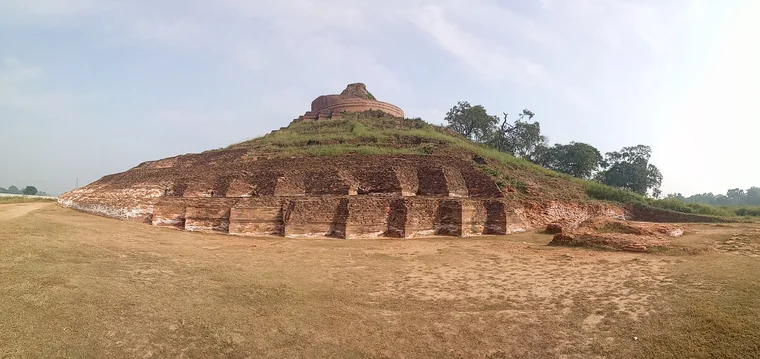
Kesariya Buddhist Stupa
Kesariya in East Champaran is a major Buddhist heritage site, distinguished by its tiered ancient stupa. Keep off protected remains. It is a separate stop from Vaishali; arrange the road journey, current entry and return transport ahead.
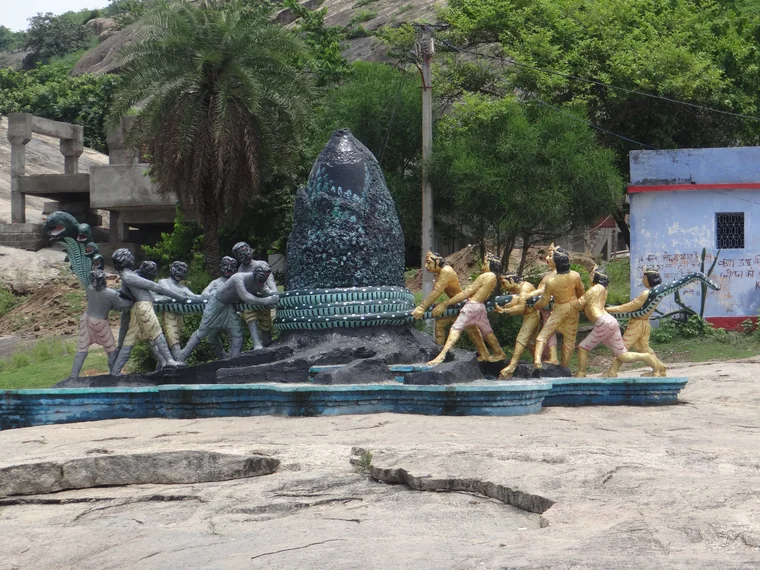
Mandar Hill, Banka
Mandar Hill in Banka is associated with the Hindu Samudra Manthan legend and is also a Jain pilgrimage destination. Papaharini lake and hill shrines can form part of the visit. Check current climbing or ropeway arrangements and allow daylight for the excursion.
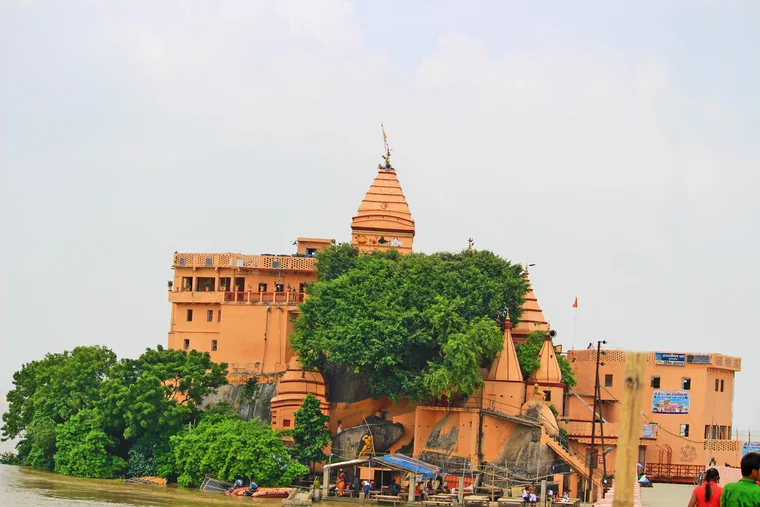
Ajgaivinath Shiva Temple, Sultanganj
Ajgaivinath is a Shiva temple at Sultanganj on the Ganga. During the Shravan Kanwar pilgrimage, devotees traditionally carry water onward to Deoghar. Deoghar is in Jharkhand and requires a separate journey. Confirm ghat conditions, crowds and safe temple access locally.
Pilgrimage places in Chhattisgarh
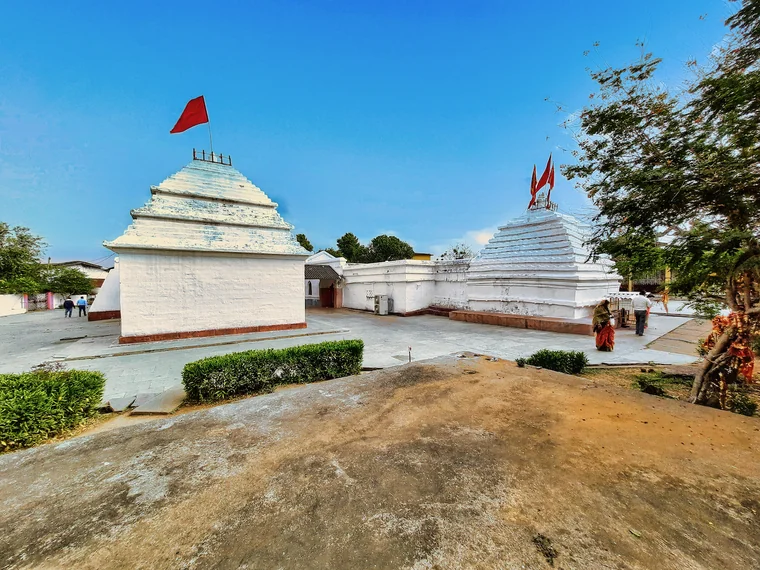
Danteshwari Temple, Dantewada
Danteshwari at Dantewada is a central goddess of Bastar’s devotional traditions and is revered as a Shakti shrine. Navratri and regional festivals are significant. Allow a separate travel day for the long road journey from Raipur.
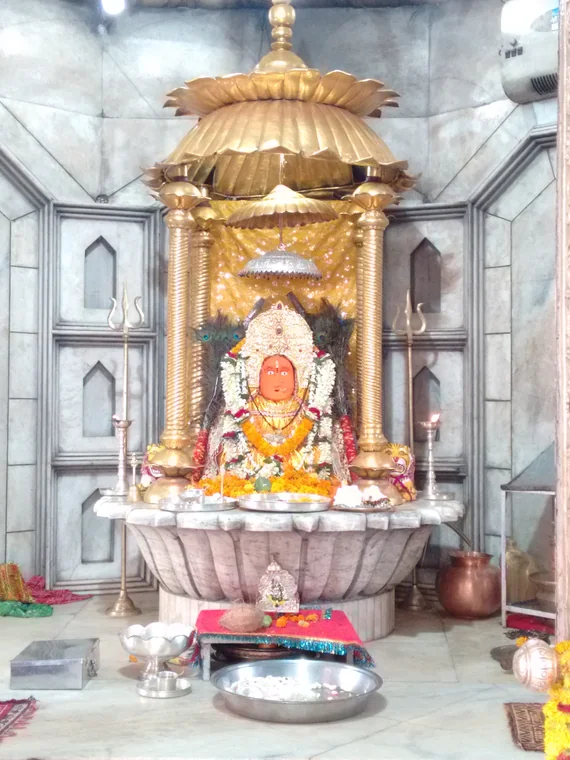
Maa Bamleshwari, Dongargarh
Dongargarh has the hilltop Badi Bamleshwari and a separate Chhoti Bamleshwari shrine below. Navratri draws major pilgrim gatherings. Plan the ascent and both visits, confirming ropeway operation before relying on it.
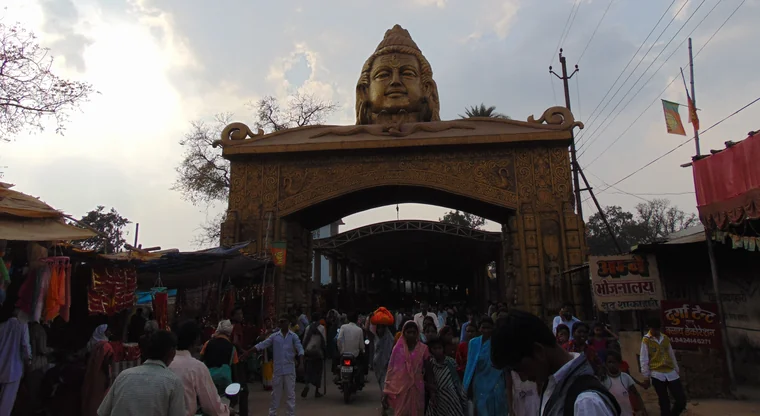
Mahamaya Devi, Ratanpur
Ratanpur’s Mahamaya shrine near Bilaspur anchors the old town’s goddess traditions, with special significance at Navratri. Plan local visits to nearby temples. This shrine is distinct from the Mahamaya temple in Ambikapur.
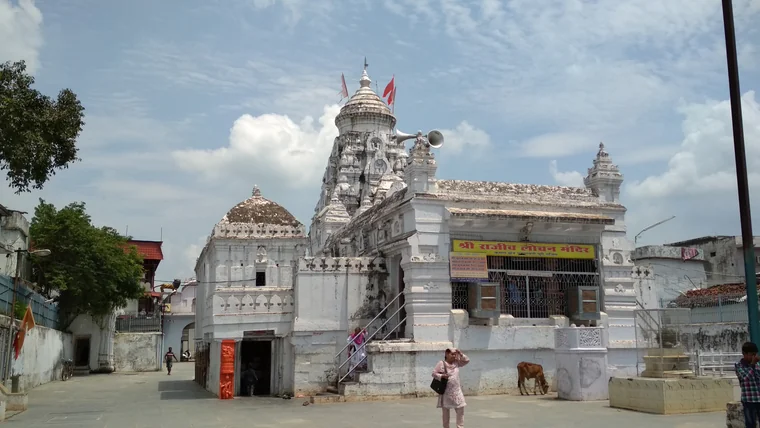
Rajim: Rajiv Lochan Vishnu Temple
Rajiv Lochan is Rajim’s Vishnu temple, within the pilgrimage town near the Mahanadi–Pairi–Sondhur confluence. Check the current Rajim Kumbh Kalp dates. Schedule this temple, Kuleshwar and the riverghats as separate stops.
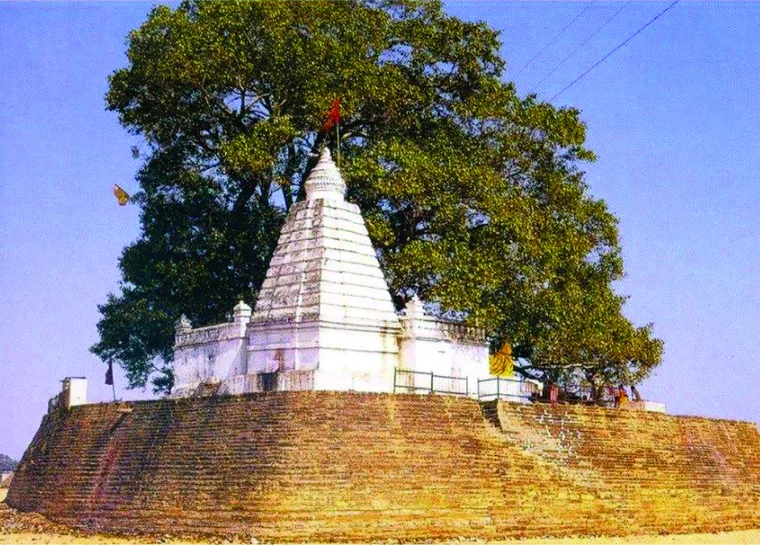
Kuleshwar Mahadev, Rajim
Kuleshwar Mahadev is a Shiva shrine at Rajim’s river confluence, separate from Rajiv Lochan Temple. Confirm water levels and the authorised access route locally. Do not use unsafe river crossings.
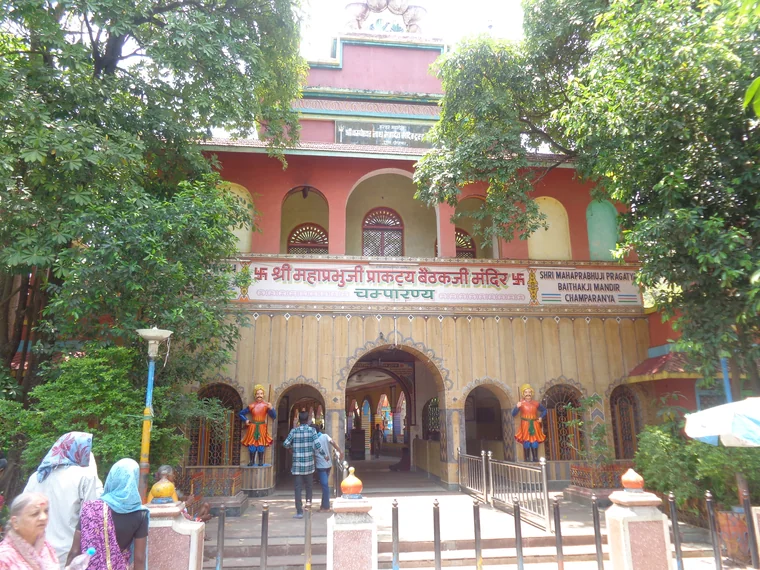
Champaranya: Vallabhacharya’s birthplace
Champaranya in Raipur district is a Vaishnava pilgrimage associated with Vallabhacharya’s birth and Pushtimarg seva traditions. Ask locally about darshan arrangements. Distinguish this Chhattisgarh destination from Champaran in Bihar.
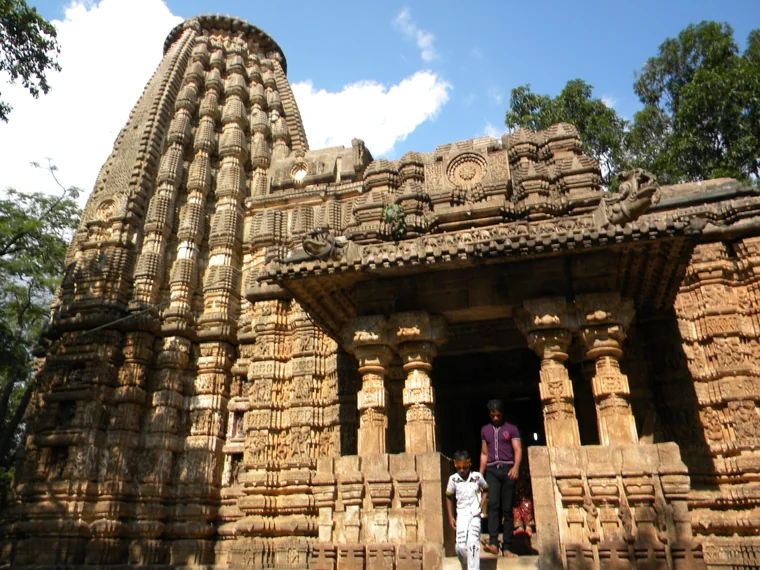
Bhoramdeo Shiva Temple, Kawardha
Bhoramdeo at Choura in Kabirdham is an ancient Shiva temple noted for carved stonework and its hill setting. Arrange onward transport from Kawardha, respect worship and avoid touching fragile carvings.
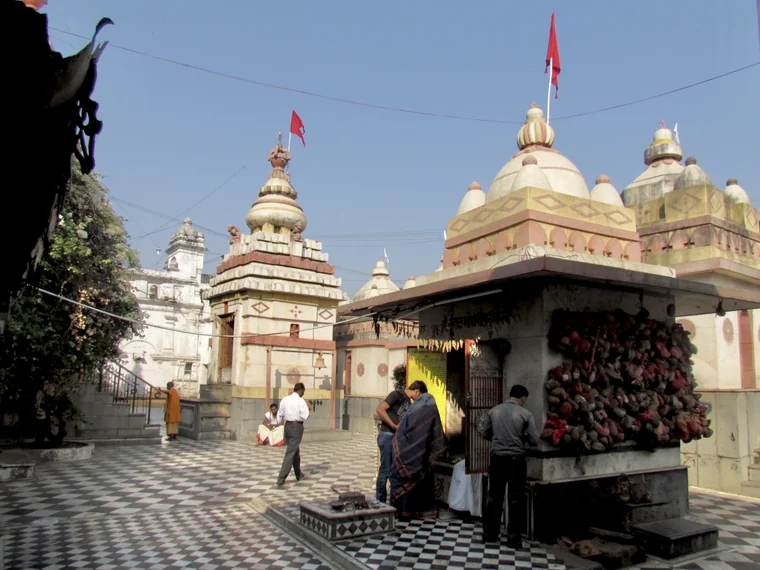
Dudhadhari Math and Rama Temple, Raipur
Raipur’s Dudhadhari temple belongs to Rama devotional traditions. Local legend links its name to Balbhadra Das, a saint said to live on milk. Plan around city traffic and worship times, respecting the monastery’s quiet.
Shivrinarayan / Janjgir-ChampaShivrinarayan: Lakshminarayan and Shabari traditions
Shivrinarayan on the Mahanadi is a Vaishnava pilgrimage centred on Lakshminarayan Temple. Local faith associates it with Shabari and Rama. Allow extra time around the Magh Purnima gathering and plan riverghats separately.
Chandrapur / Sakti districtChandrahasini Devi, Chandrapur
Chandrahasini Temple stands by the Mahanadi at Chandrapur in Chhattisgarh’s Sakti district, with important Navratri gatherings. Distinguish it from Chandrapur in Maharashtra. Confirm riverghat conditions and return transport before visiting.
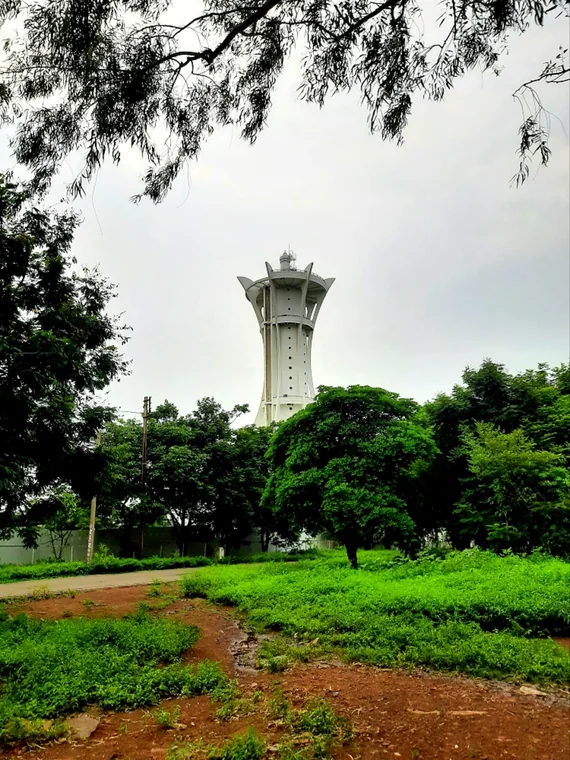
Girodpuri Dham: Guru Ghasidas and Jaitkhamb
Girodpuri is revered in Satnami tradition as Guru Ghasidas’s birthplace and place of austerity. Jaitkhamb, the main memorial and Charan Kund form pilgrimage stops. Confirm annual mela arrangements and tower access locally.
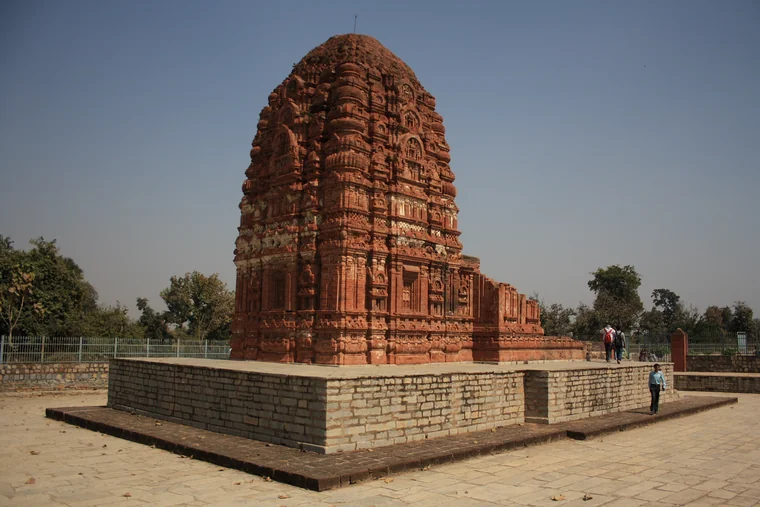
Sirpur: Lakshman Temple and Vishnu heritage
Sirpur’s Lakshman Temple preserves an ancient brick Vishnu shrine with carved architectural details. Treat it as an archaeological monument and confirm permitted access, rather than assuming daily worship. Distinguish it from Khajuraho’s Lakshmana Temple.
Sirpur / MahanadiGandheshwar Mahadev, Sirpur
Gandheshwar Mahadev represents Sirpur’s Shiva traditions by the Mahanadi. Schedule it separately from Lakshman Temple and the Buddhist monasteries. Ask about worship times and follow current riverbank access instructions.
Sirpur / MahasamundBuddhist viharas of Sirpur
Sirpur’s Buddhist heritage includes Anandaprabhu Kutir Vihara and Swastika Vihara. Monastery remains recall traditions of learning and practice. Plan a route between separate sites and ask about authorised guides and current access.
Malhar / BilaspurMalhar: Dindeshwari Temple and sacred heritage
Dindeshwari Temple is part of Malhar’s goddess worship and archaeological heritage. The area preserves evidence of Shaiva, Vaishnava and other religious traditions. Plan worship and monument visits separately; Malhar and Tala are distinct places.
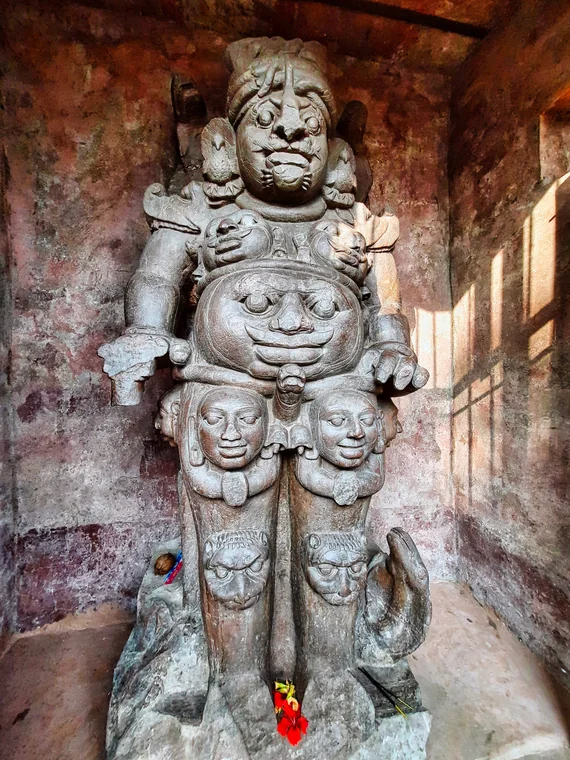
Tala: Devrani–Jethani Shiva temple remains
Tala is known for Devrani–Jethani temple remains and distinctive stone sculptures within its Shaiva heritage. Allow time to understand the archaeological setting. Keep off remains, avoid touching carvings and follow current access and photography guidance.
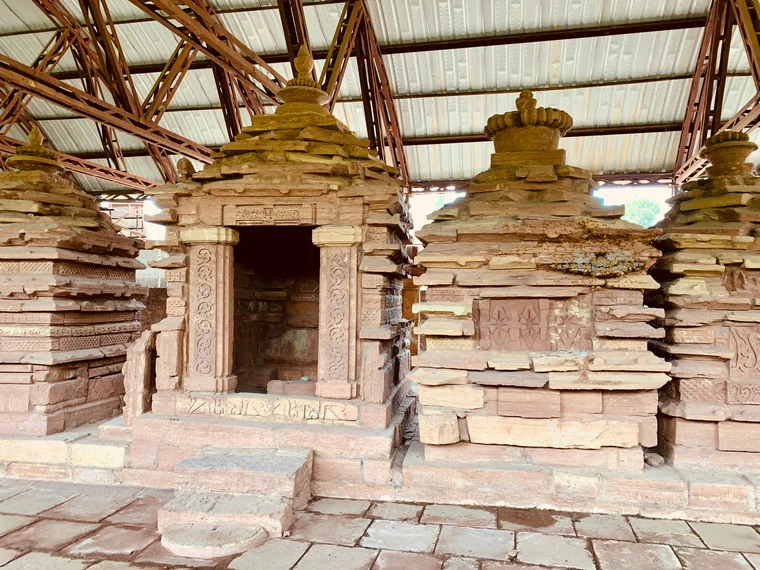
Madku Dweep: Shiva shrines and ancient heritage
Madku island in the Shivnath river preserves Shiva temples and excavated sculpture. Combine temple visits with an appreciation of its archaeological remains. Confirm river conditions and authorised island access; postpone if a safe route is unavailable.
Sihawa / DhamtariSihawa: Shringi Rishi ashram and Mahanadi source
Sihawa’s hill ashram in Dhamtari district is associated with Shringi Rishi traditions and the Mahanadi’s source. Plan a separate road journey through Dhamtari and Nagari, then confirm the hill path and return transport.
Ambikapur / SurgujaMahamaya Devi, Ambikapur
Ambikapur’s Mahamaya shrine stands on the city’s eastern hill, associated with the tradition behind its name. Chaitra and Sharad Navratri are significant. This Surguja temple is distinct from Ratanpur; confirm local access and transport.
Kudargarh / SurajpurKudargarh Devi Temple, Surajpur
Kudargarh in Surajpur district is a major shrine of Goddess Kudargarhi, especially at Chaitra Navratri. Ask about the wooded approach and steps, allowing daylight, water and return transport. Surajpur Road station is a separate road journey from the shrine.
Pilgrimage places in Goa
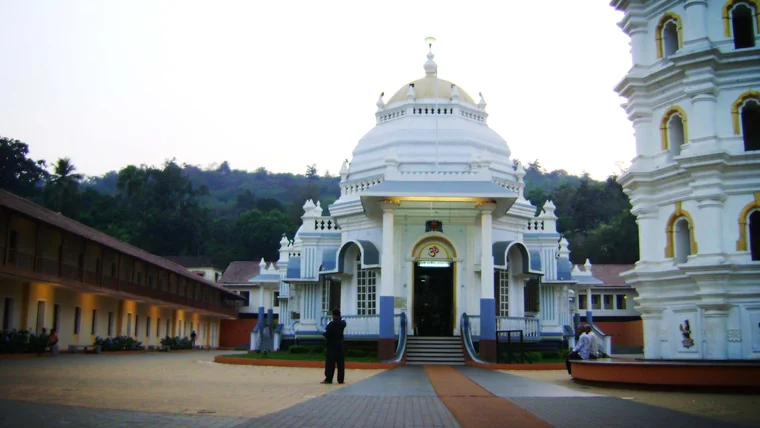
Shri Mangesh Temple, Mangeshi
At Mangeshi in Priol, Shiva is worshipped as Mangesh in linga form. The shrine’s earlier location was Kushasthali, present-day Cortalim. Allow time for the assembly hall and confirm current worship or Monday palanquin arrangements with the temple.
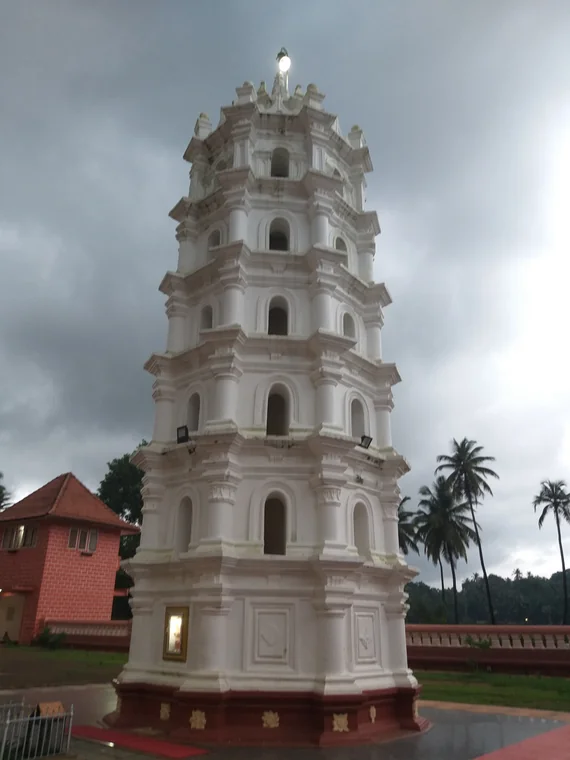
Shri Shantadurga Temple, Kavlem
Kavlem in Ponda is home to this Shantadurga shrine. Devotional tradition describes the goddess reconciling Shiva and Vishnu. Allow time for the lamp tower, tank and precinct, and distinguish this destination from Goa’s other Shantadurga temples.
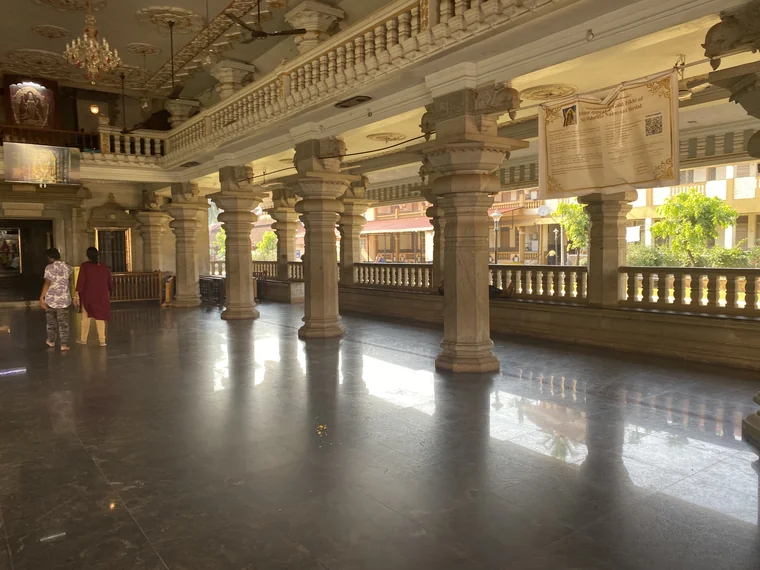
Shri Mahalasa Narayani, Mardol
Mardol’s Mahalasa Narayani is associated in devotional tradition with Mohini, Vishnu’s female form. The shrine’s earlier history is linked to Verna. Mardol and nearby Mangeshi are separate visits; check each temple’s worship and access arrangements.
Bandora / PondaShri Ramnathi Temple, Bandora
Ramnathi at Bandora is a major shrine of Lord Ramnath. Its relocation history is linked to Loutolim. Allow time for the assembly hall, lamp tower and associated shrines, checking current dates and palanquin arrangements for the annual jatra.
Bandora / PondaShri Mahalakshmi, Bandora
Bandora’s Mahalakshmi temple near Ponda is distinct from the Panaji shrine. One of its two Mahalakshmi images is associated with relocation from Colva. Confirm current Ramnavami and festival arrangements, allowing a separate stop on the Bandora temple circuit.
Nageshi / Bandora / PondaShri Nagesh Temple, Nageshi
At Nageshi near Bandora, Shiva is worshipped as Nagesh. A nearby inscription dated 1413 records a land donation to the temple. Explore respectfully and plan this as a separate visit from Bandora’s Mahalakshmi and Ramnathi shrines.
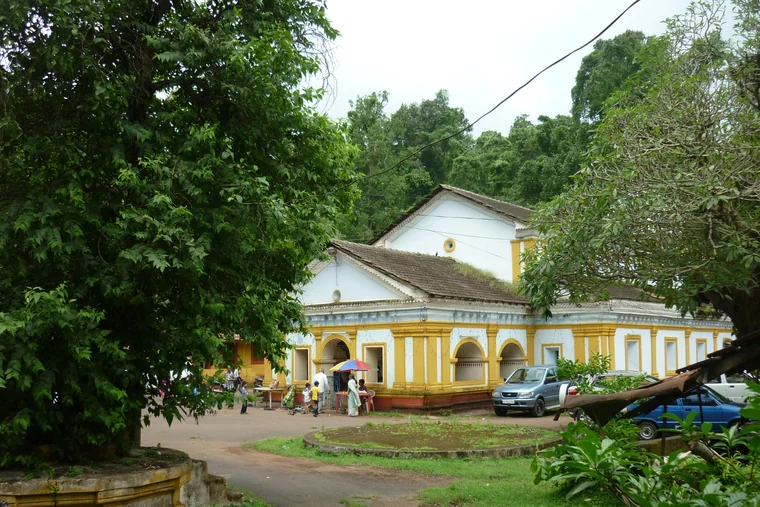
Shri Saptakoteshwar, Narve
Saptakoteshwar at Narve in Bicholim is a historic Shiva shrine linked to Kadamba royal worship and Shivaji’s rebuilding order. Allow time to understand the temple’s history. The present Narve shrine is distinct from the earlier site on Divar island.
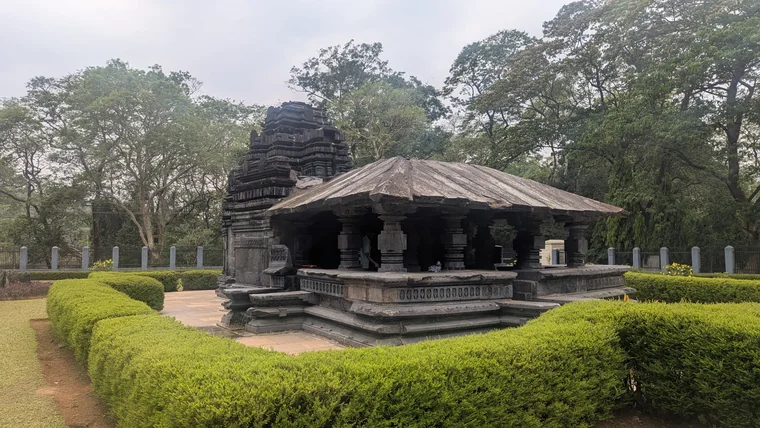
Mahadev Temple, Tambdi Surla
Tambdi Surla’s carved basalt Shiva temple preserves medieval Kadamba–Yadava architectural features in a forest setting. The temple visit is separate from the nearby waterfall trek. A waterfall walk is unnecessary for darshan; confirm current forest access and arrange return transport.
Shiroda / PondaShri Kamakshi Temple, Shiroda
Kamakshi’s shrine stands at Thal in Shiroda, Goa’s Ponda taluka. The gateway, steps, lamp tower and tank form part of the visit. Confirm current new-moon palanquin arrangements, and distinguish this village from Shiroda in Maharashtra.
Panaji / Dada Vaidya RoadShri Mahalakshmi Temple, Panaji
Mahalakshmi on Panaji’s Dada Vaidya Road is an important city shrine of the goddess. The present establishment’s history reaches back to the early nineteenth century. Include it in a Panaji visit; Bandora’s Mahalakshmi temple requires a separate trip toward Ponda.
Mala / Altinho / PanajiMaruti Temple, Panaji
Maruti Temple in Panaji’s Mala–Altinho area is dedicated to Hanuman. Goa Tourism includes the shrine and Fontainhas in a city route. Ask about the hill approach, steps or available road, allowing separate time for worship and a neighbourhood walk.
Marcel / PondaDevaki Krishna Temple, Marcel
At Marcel, Krishna is worshipped alongside his mother Devaki. This mother-and-son worship distinguishes the shrine, whose earlier history is linked to Chorao island. Allow time for associated deities and arrange a separate local road visit to Marcel.
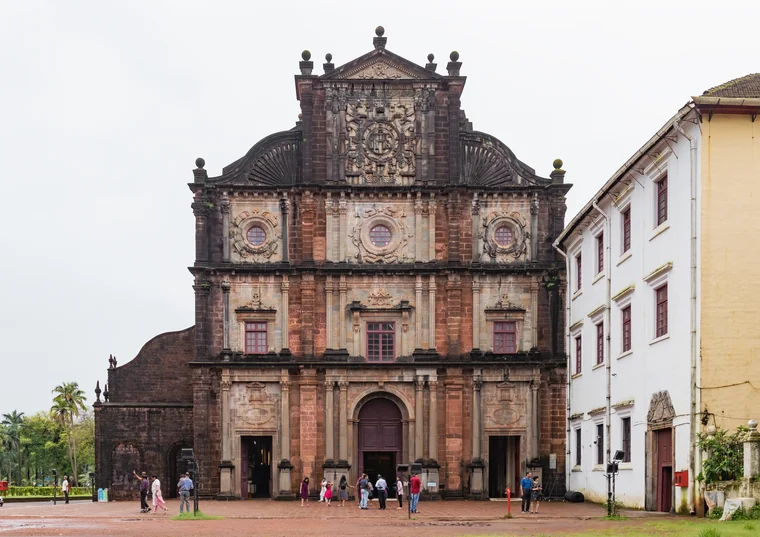
Basilica of Bom Jesus, Old Goa
Bom Jesus in Old Goa houses the relics of St Francis Xavier and belongs to Goa’s UNESCO World Heritage church ensemble. It is an important Catholic pilgrimage destination. An ordinary visit and a special relic exposition are different events; do not assume an exposition is currently underway.
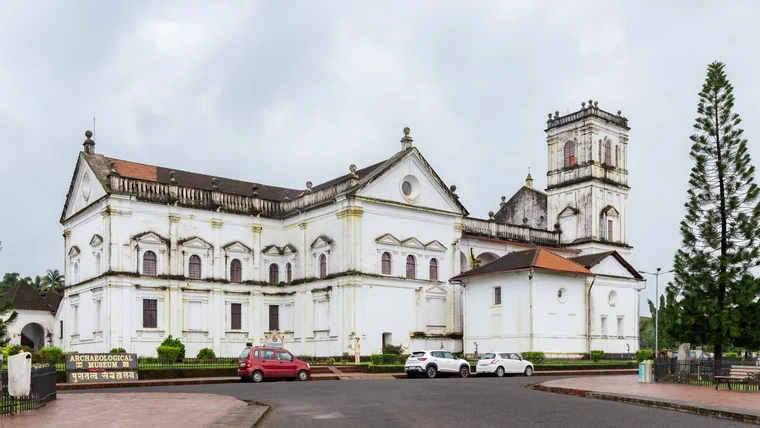
Se Cathedral, Old Goa
Se Cathedral in Old Goa is dedicated to St Catherine and forms part of the UNESCO church ensemble. Its nave, altar and Golden Bell tower are key heritage features. Nearby Bom Jesus is a separate church; confirm current service and visitor arrangements for each.
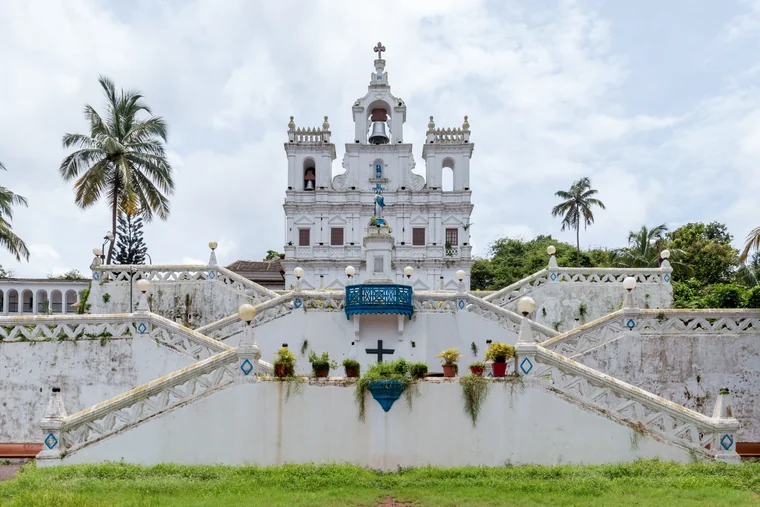
Our Lady of the Immaculate Conception Church, Panaji
This functioning Panaji parish is recognised by its white façade and zigzag stairway. The annual Immaculate Conception feast falls on 8 December; confirm that year’s programme. It stands in Panaji, separately from Old Goa; photographs should not interrupt worship or obstruct the steps.
Pilgrimage places in Haryana
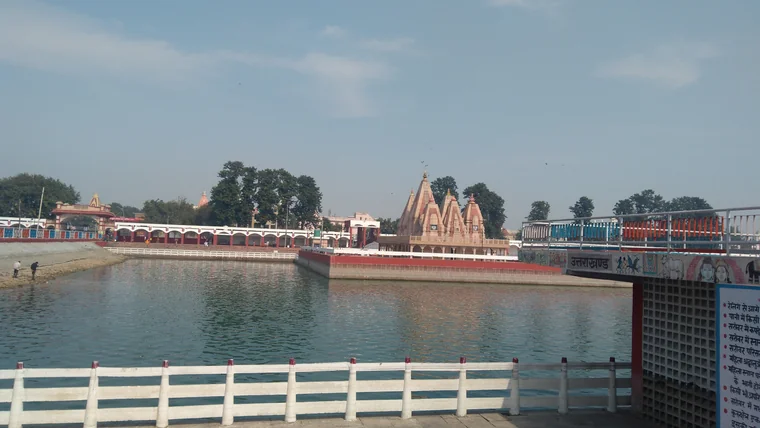
Brahma Sarovar, Kurukshetra
Brahma Sarovar is a major sacred tank in Kurukshetra. Religious tradition links it with Brahma and creation. Allow time for the ghats, prayer and evening aarti, checking current festival arrangements.
Kurukshetra / ThanesarSannihit Sarovar, Kurukshetra
Sannihit Sarovar is revered as a meeting of sacred waters. Pilgrims visit for Amavasya observances and ancestral rites. Agree any ritual materials and full charges beforehand; Brahma Sarovar is a separate stop.
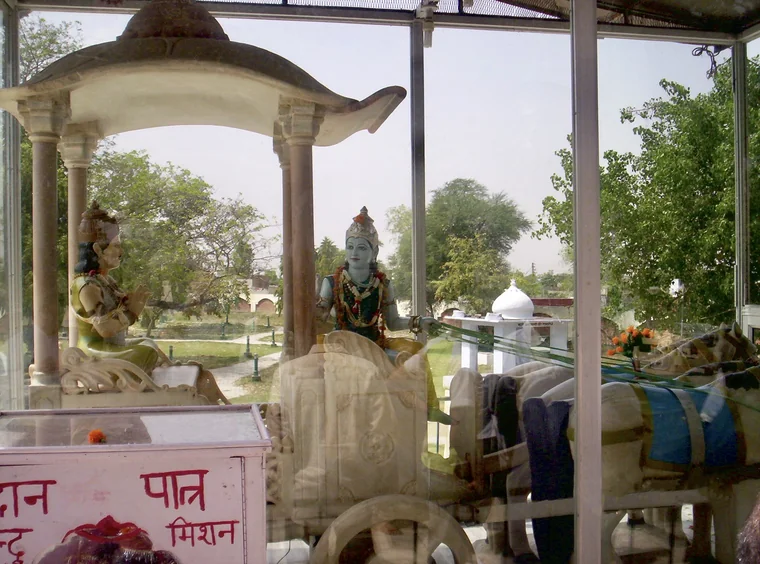
Jyotisar: the Gita teaching tradition
Jyotisar is revered as the place where Krishna taught the Bhagavad Gita to Arjuna. The sacred banyan and Krishna–Arjuna imagery recall this tradition. Check current access and schedules for exhibitions or light-and-sound presentations.
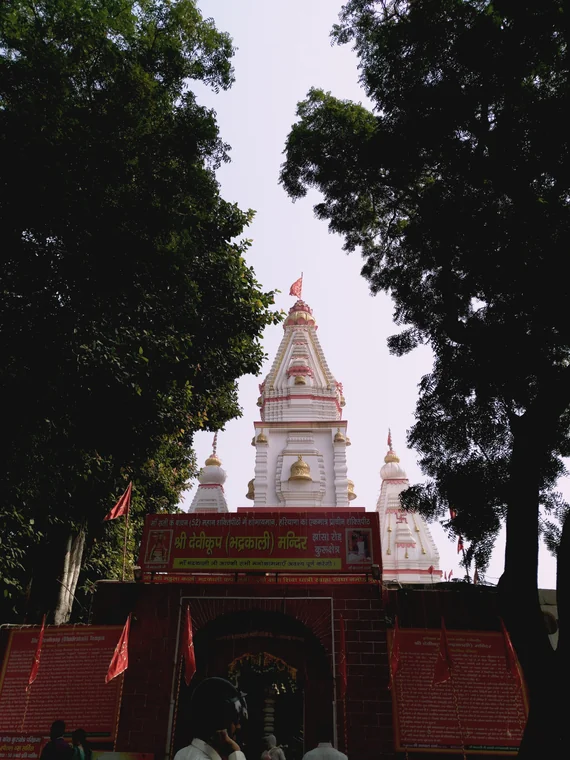
Bhadrakali Shakti shrine, Kurukshetra
Bhadrakali Temple in Thanesar is also known as Devi Koop. Shakti Peeth tradition associates the shrine with Sati’s story. Allow for Navratri queues and ask about local offering and photography rules.
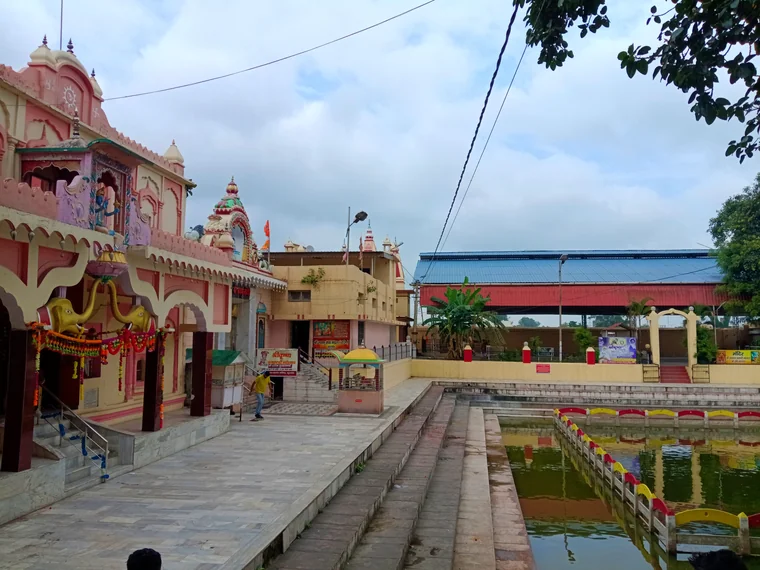
Sthaneshwar Mahadev, Thanesar
Sthaneshwar Mahadev is a Shiva pilgrimage shrine in Thanesar. Tradition recalls the Pandavas praying here before the Mahabharata battle. Visit the temple and adjoining tank without treating its water or bathing as medical treatment.
Pehowa / Kurukshetra districtPehowa: Prithudak and Saraswati Tirth
Pehowa is a pilgrimage town associated with Saraswati and ancestral rites. Prithudak and Saraswati Tirth are important stops in this tradition. Agree ritual arrangements and full charges beforehand; Pehowa requires a separate road trip from Kurukshetra town.
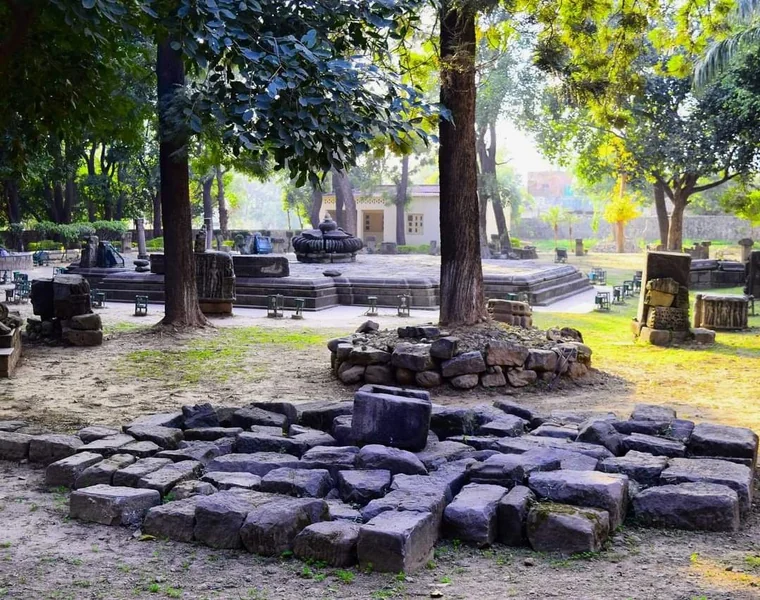
Bhima Devi Temple Complex, Pinjore
Pinjore’s Bhima Devi complex preserves the remains and sculptures of an ancient Hindu temple. Its site museum helps visitors understand sacred art. Treat this as an archaeological visit, respecting the remains and checking museum access.
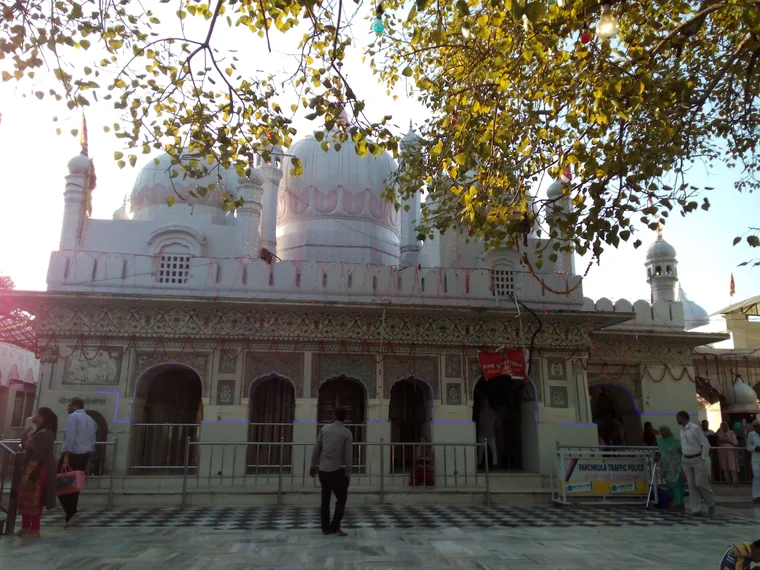
Mata Mansa Devi, Panchkula
Mansa Devi at Panchkula’s Shivalik foothills is a prominent centre of Shakti worship, especially at Navratri. This is a different shrine from Mansa Devi in Haridwar. Check Panchkula’s official shrine board for visit and accommodation arrangements.
Chandimandir / PanchkulaChandi Mata Temple, Panchkula
Chandi Mata Temple is a separate Shakti shrine in the Chandimandir area on the Chandigarh–Kalka road. The local name is associated with the temple. Plan it separately from Mansa Devi and Kalka, following authorised access and security directions.
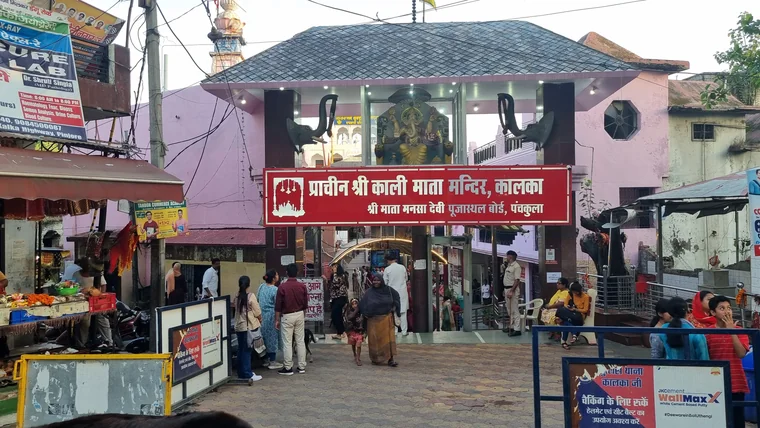
Kali Mata Temple, Kalka
Kalka’s Kali Mata temple is an important goddess shrine near the Haryana–Himachal border. Devi traditions and Navratri pilgrimage give it special significance. It is separate from Panchkula’s Mansa Devi complex; confirm Kalka’s current visit arrangements.
Gurugram / old citySheetla Mata Temple, Gurugram
Sheetla Mata Temple is a major goddess shrine in old Gurugram. Chaitra and Ashadh melas attract large gatherings. Allow for urban traffic from Delhi and ask the temple directly about darshan, mundan or family ritual arrangements.
Agroha / Hisar districtAgroha Dham, Hisar district
Agroha Dham includes shrines to Mahalakshmi, Saraswati and Maharaja Agrasen, with special meaning in Agrawal community traditions. The modern temple complex is distinct from the nearby archaeological mound. Confirm visit arrangements and annual events before travel.
Dhosi / Narnaul / Mahendragarh districtDhosi Hill: Chyavana Rishi shrine
Dhosi Hill near Narnaul is traditionally associated with Chyavana Rishi’s penance. The sage’s shrine and sacred tanks form part of the pilgrimage. Plan water, daylight ascent and return transport after the separate long road journey from Delhi.
Panipat cityDevi Temple, Panipat
Panipat’s Devi Temple is dedicated to Durga. Navratri worship and the local Ramlila tradition are significant. The former pond area has become a park, so plan a temple visit rather than expecting a bathing tank, and confirm festival programmes.
Panipat cityBu Ali Shah Qalandar Dargah, Panipat
This Panipat dargah commemorates the Sufi saint Sheikh Sharafuddin Bu Ali Shah Qalandar. It is an important part of the city’s Sufi devotional heritage. Respect prayer and ask local management about offerings, photographs and Urs observances.
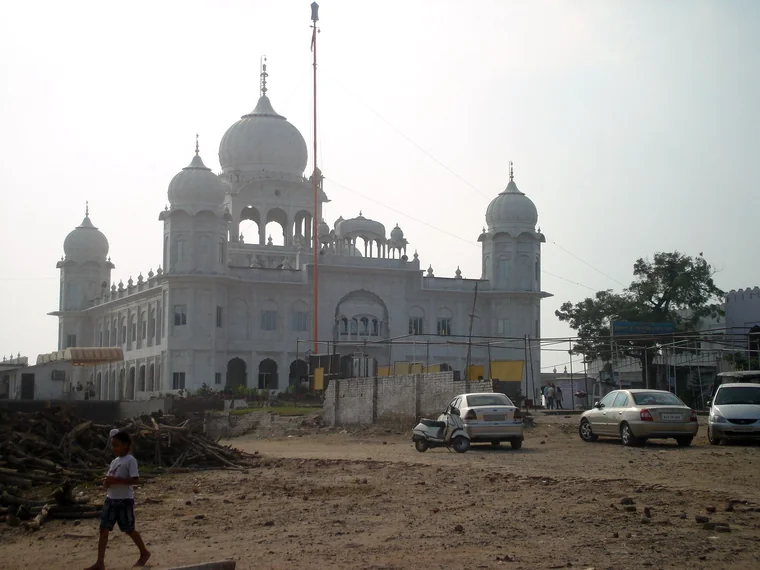
Gurdwara Nada Sahib, Panchkula
Nada Sahib commemorates Guru Gobind Singh’s halt after the Battle of Bhangani. Kirtan, sangat and langar are central to its devotional life. Cover your head, remove shoes and plan accommodation and return transport for busy full-moon gatherings.
Lakhnaur village / Ambala districtGurdwara Lakhnaur Sahib, Ambala
Lakhnaur Sahib is a historic gurdwara associated with Mata Gujri and the young Guru Gobind Singh. Ambala’s official account describes their family visit and preserved belongings. Ask about viewing arrangements; the shrine is in a village outside Ambala.
Asthal Bohar / RohtakBaba Mastnath Math, Asthal Bohar
Asthal Bohar near Rohtak is a pilgrimage math associated with Baba Mastnath. Haryana Tourism describes its revival and educational and service institutions. Ask for the temple entrance and distinguish the worship area from the surrounding institutional campus.
Bilaspur / Yamunanagar districtKapal Mochan, Yamunanagar district
Kapal Mochan near Bilaspur is significant to Hindu and Sikh pilgrims. Its sacred tanks and gurdwara attract a major Kartik Purnima mela. Bathing is optional; check current festival access, arrangements and safe ghats with the local administration.
Narkatari / KurukshetraBhishma Kund, Narkatari
Bhishma Kund at Narkatari recalls Bhishma’s bed of arrows in Mahabharata tradition. The legend describes Arjuna drawing water with an arrow to quench his thirst. Plan a separate local visit; Jyotisar and the town’s major sarovars are different stops.
Pilgrimage places in Uttarakhand
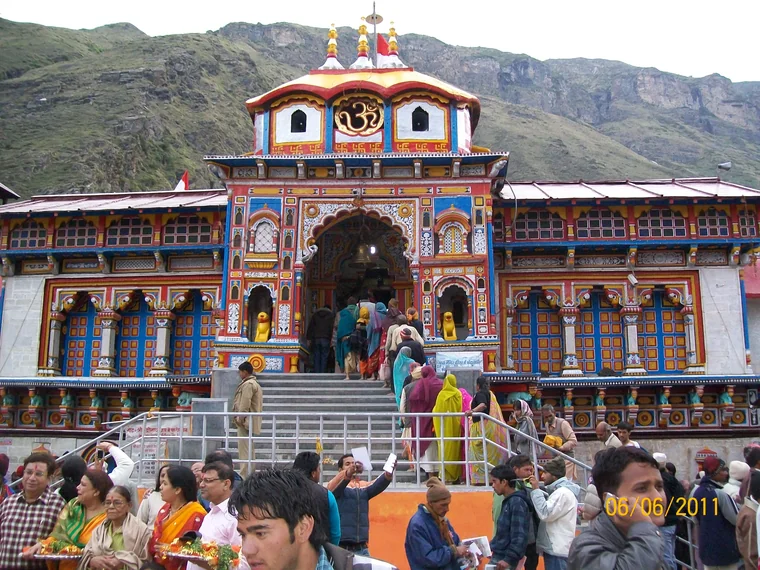
Badrinath Dham
Badrinath is a major Vishnu shrine beside the Alaknanda, in the Nar–Narayan mountain setting. It belongs to Uttarakhand’s Char Dham circuit. A motor road reaches the town, but the journey from Haridwar needs separate mountain-travel days.
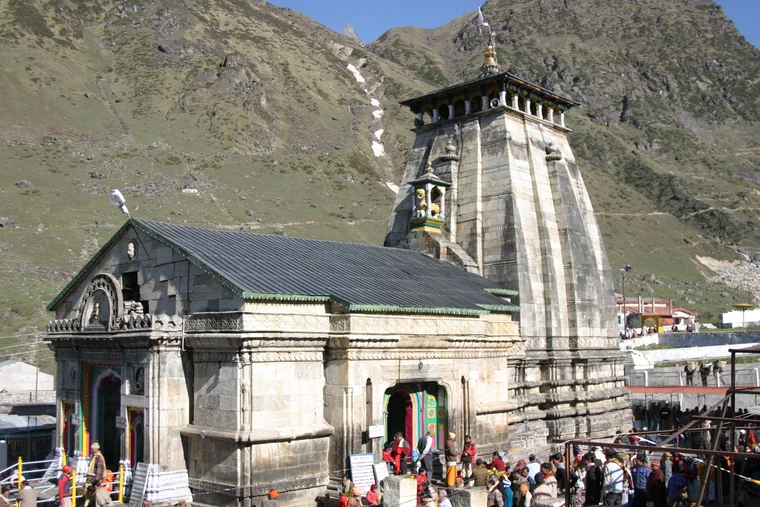
Kedarnath Dham
Kedarnath is a Shiva Jyotirlinga and a principal Panch Kedar shrine. Its Pandava story belongs to devotional tradition. Rail and ordinary road travel do not reach the temple; the ascent after Gaurikund needs its own preparation.
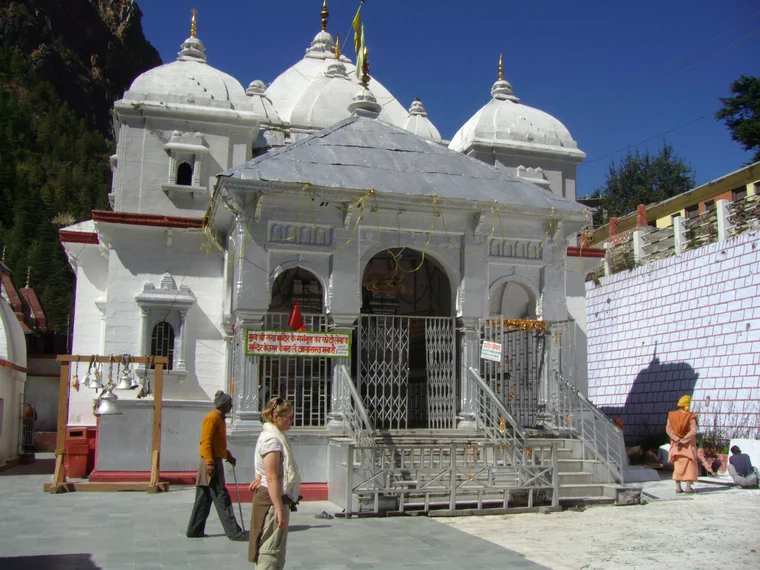
Gangotri Dham
Gangotri’s temple honours Goddess Ganga on the Bhagirathi riverbank, with Bhagirath’s penance remembered in devotional tradition. The temple is distinct from the glacier’s Gaumukh snout. A Gaumukh trek requires separate planning and current permissions.
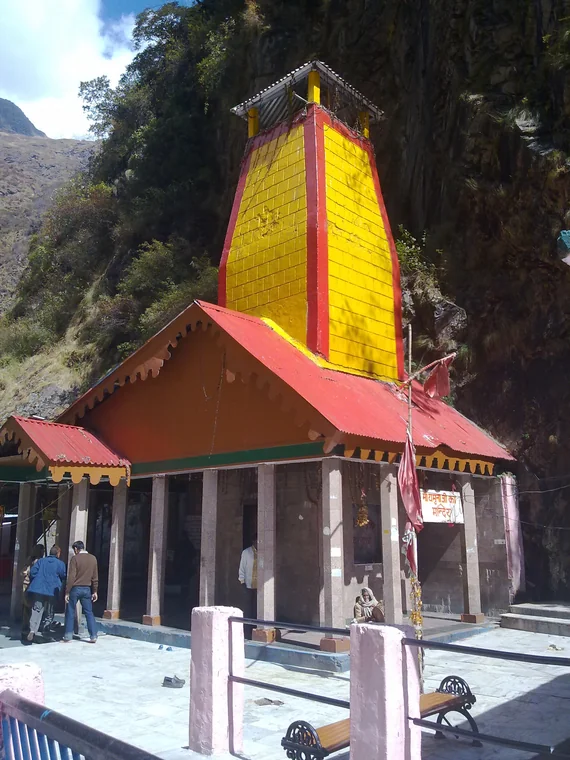
Yamunotri Dham
Yamunotri is the Char Dham shrine of Goddess Yamuna. Road transport reaches Janki Chatti, followed by an ascent. The temple is separate from the river’s actual glacial source; Saptarishi Kund is not a casual extension of a temple visit.
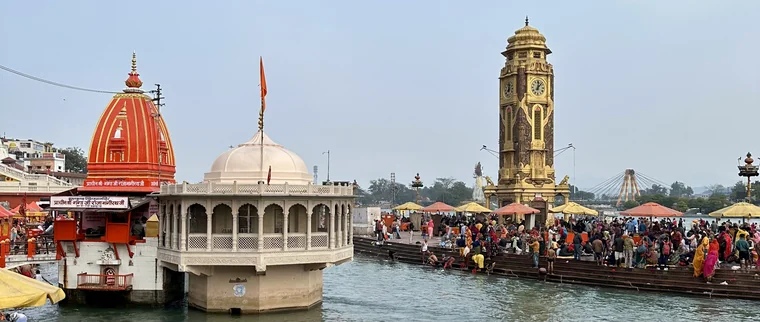
Har Ki Pauri, Haridwar
Har Ki Pauri is Haridwar’s renowned Ganga ghat, known for river worship, aarti and the bathing traditions of Brahmakund. Confirm current aarti arrangements and crowd controls, following authorised river-access guidance.
Haridwar / Bilwa hillMansa Devi, Haridwar
Mansa Devi’s shrine stands on Bilwa hill and is a major goddess temple of Haridwar. Offering wishes is a devotional practice. It is separate from Chandi Devi on Neel Parvat, so plan the two ascents independently.
Haridwar / Neel ParvatChandi Devi, Haridwar
Chandi Devi on Neel Parvat is a major centre of goddess worship in Haridwar. Traditions recall the goddess’s victories. Its hill base differs from Mansa Devi’s; check current ropeway service and return arrangements before travelling.
Kankhal / HaridwarDaksheshwar Mahadev, Kankhal
Daksheshwar Mahadev in Kankhal is associated with the devotional story of Shiva, Sati and Daksha’s sacrifice. The narrative explains the shrine’s religious significance. Plan a separate local journey from Har Ki Pauri and allow for Sawan crowds.
HaridwarMaya Devi, Haridwar
Maya Devi is an important temple in Haridwar’s older goddess-worship traditions. It is remembered with Mansa Devi and Chandi Devi in the local Siddhpeeth tradition. This city visit can be planned separately from the two hill ascents.
RishikeshTriveni Ghat, Rishikesh
Triveni Ghat in Rishikesh is known for Ganga aarti and river worship. Its sacred Triveni symbolism should not be confused with a visible meeting of three rivers here. It is distinct from Haridwar’s Har Ki Pauri; check local aarti arrangements.
Pauri Garhwal / near RishikeshNeelkanth Mahadev
Neelkanth Mahadev is a Shiva shrine in Pauri Garhwal near Rishikesh. Devotional tradition associates it with Shiva drinking the poison of the ocean-churning story. It needs a separate hill journey from the town’s ghats; check Sawan traffic and queue rules.
Tehri Garhwal / DevprayagDevprayag
At Devprayag the Alaknanda meets the Bhagirathi, and the downstream river is called the Ganga. This Panch Prayag site combines the sacred confluence with Raghunath temple. Ask about steps and current access to the riverbank.
RudraprayagRudraprayag
Rudraprayag is the Panch Prayag meeting of the Alaknanda and Mandakini, with a strong Shiva devotional association. The Kedarnath route branches from this town. Allow a separate confluence stop and ask about parking and safe riverbank access.
Chamoli / KarnaprayagKarnaprayag
Karnaprayag is the meeting of the Pindar and Alaknanda. Devotional traditions associate this Panch Prayag place with Karna. The town connects Garhwal and Kumaon road routes; use an authorised local approach for the confluence.
Chamoli / NandprayagNandprayag
Nandprayag joins the Nandakini with the Alaknanda. This Panch Prayag confluence lies along the Badrinath road corridor. Plan a distinct visitor stop and confirm riverbank access and water conditions locally, especially in rain.
Chamoli / near JoshimathVishnuprayag
Near Joshimath, Vishnuprayag is the Panch Prayag confluence of the Dhauliganga and Alaknanda, revered in Vishnu worship. Water in the deep gorge can be forceful. Use currently authorised viewing access and respect barriers.
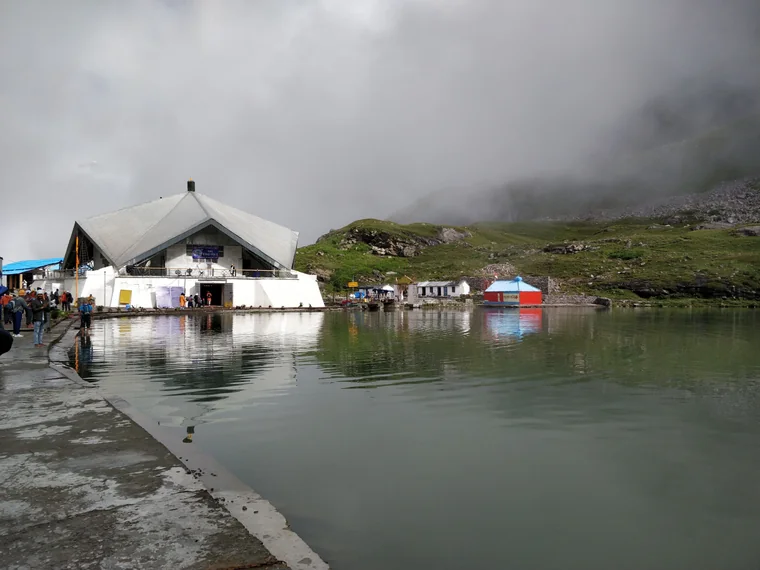
Hemkund Sahib
Hemkund Sahib is a major Sikh gurdwara beside a high Himalayan lake, associated in Sikh tradition with Guru Gobind Singh’s meditation. The approach continues beyond Govindghat and Ghangaria on foot. Do not plan to stay overnight at the upper sanctuary.
Rudraprayag / ChoptaTungnath
Tungnath is a Panch Kedar Shiva temple above Chopta, associated in tradition with Shiva’s arms. The temple requires an uphill trek. Continuing to Chandrashila is a separate optional ascent, not a necessary part of darshan.
Chamoli / Gopeshwar–Sagar approachRudranath
Rudranath is a Panch Kedar shrine in Chamoli where Shiva’s face is worshipped in tradition. The Sagar–Gopeshwar approach is a substantial trek. Plan an experienced local guide and authorised overnight stops; this is not a drive-to-temple visit.
Rudraprayag / Ransi approachMadhyamaheshwar
Madhyamaheshwar is a Panch Kedar Shiva temple associated in tradition with worship of Shiva’s navel. The journey proceeds on foot beyond the Ukhimath–Ransi approach. Allow sufficient trek days and confirm permitted accommodation along the current route.
Chamoli / Urgam valleyKalpeshwar
Kalpeshwar in Urgam valley is the Panch Kedar shrine associated with Shiva’s locks. It is known for year-round worship, unlike the higher seasonal Panch Kedar shrines. Still confirm road conditions, the final walking approach and current temple access locally.
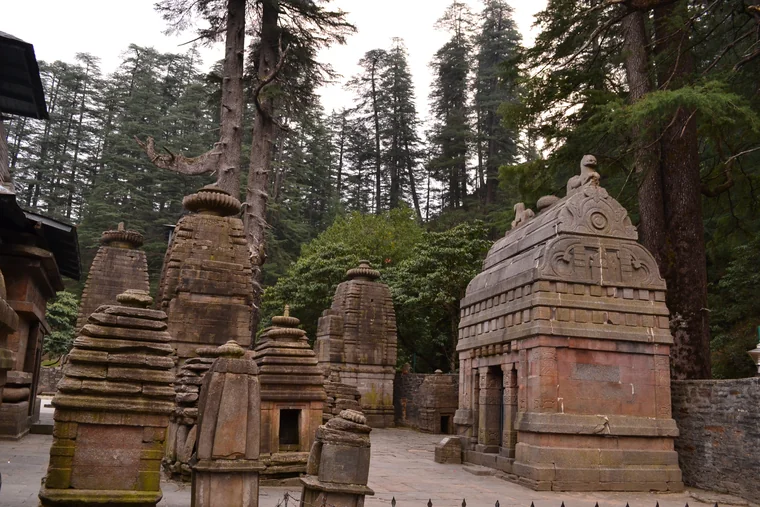
Jageshwar Dham
Jageshwar is an ancient cluster of Shiva temples among Kumaon’s deodars. Its small stone shrines bring together living worship and architectural heritage. Respect both sacred and protected areas, without touching sculptures or carvings.
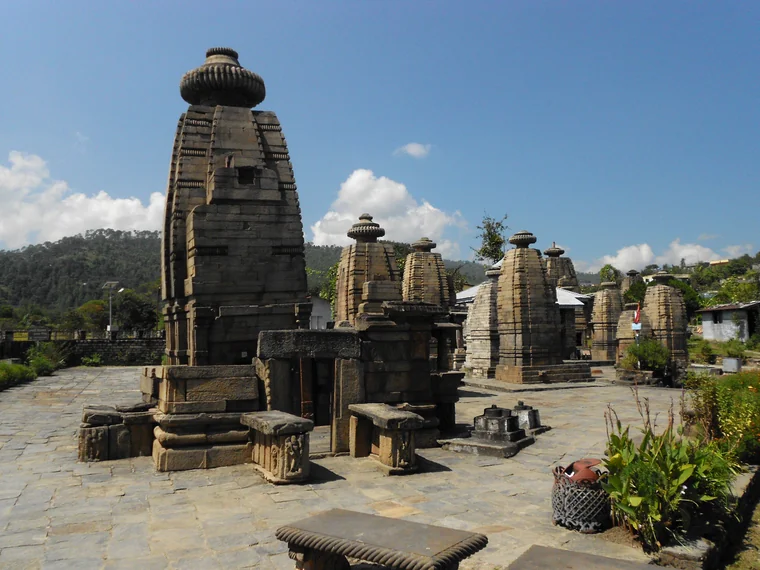
Baijnath, Kumaon
Baijnath’s ancient temple group lies in the Katyur valley of Bageshwar district, combining Shiva worship with Kumaon’s stone architecture. This is Baijnath in Uttarakhand, distinct from Baijnath in Himachal Pradesh and other Vaidyanath shrines.
Nainital / KumaonNaina Devi, Nainital
Naina Devi stands at the northern end of Naini Lake and is a principal shrine of Nainital. The story of Sati’s eyes belongs to Shakti devotional tradition. This temple is distinct from Shri Naina Devi in Himachal Pradesh.
Champawat / near TanakpurPurnagiri Devi
Purnagiri near Tanakpur is a major goddess shrine of Champawat, especially during the Chaitra pilgrimage. Trains reach Tanakpur, followed by road travel and an ascent. Check current mela access, registration and crowd instructions before visiting.
Almora / ChitaiChitai Golu Devta
Chitai’s Golu Devta temple near Almora is important in Kumaon’s folk devotion. Bells and written petitions accompany prayers for justice. Treat this as faith rather than a guaranteed outcome, and respect the privacy of other visitors’ petitions.
Almora / Kasar hillKasar Devi
Kasar Devi on a hill near Almora is known for goddess worship and quiet contemplation, with Swami Vivekananda’s visit also remembered. Respect the peaceful setting and use established walking paths rather than exposed hill edges.
Pithoragarh / near GangolihatPatal Bhuvaneshwar
Patal Bhuvaneshwar in Pithoragarh is a cave shrine associated with Shiva. Natural cave formations are interpreted through devotional stories. The narrow, dark entry is not easily accessible to everyone; ask about guided entry, mobility requirements and photography rules.
Pilgrimage places in Himachal Pradesh
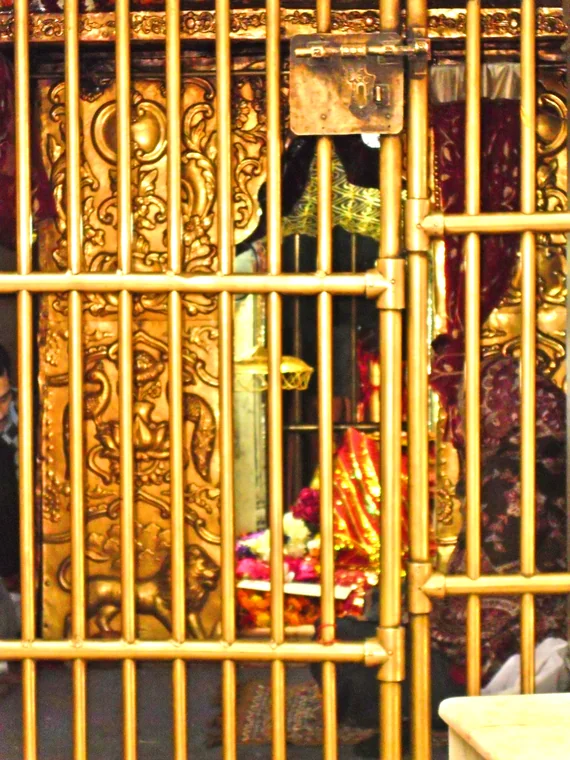
Chintpurni Devi
At Chintpurni in Una district the goddess is worshipped in pindi form. It is a major stop on Himachal’s Devi pilgrimage circuit. Allow time for prayer and respect the local worship tradition. Festival crowds may require a longer visit.
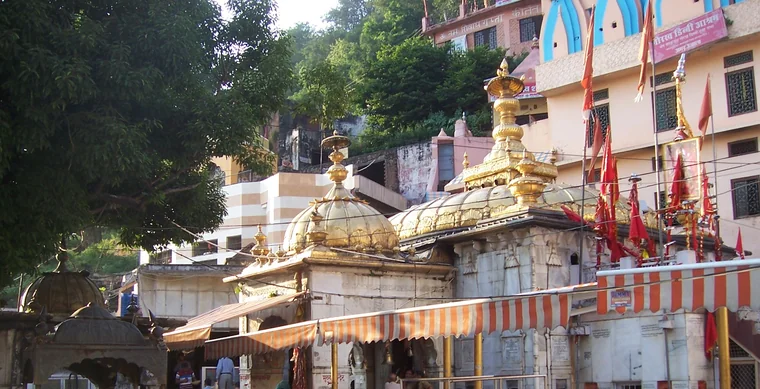
Jwalamukhi / Jwala Ji
Jwala Ji venerates natural flames as manifestations of the goddess. Viewing these flames distinguishes the shrine’s worship from an ordinary image-centred temple. Allow time for prayer and respect the local worship tradition. Festival crowds may require a longer visit.
Kangra townKangra: Bajreshwari Devi
Kangra town’s Bajreshwari shrine is also called Brajeshwari or Vajreshwari. It is important in regional Shakti traditions; Kangra Fort is a separate stop. Allow time for prayer and respect the local worship tradition. Festival crowds may require a longer visit.
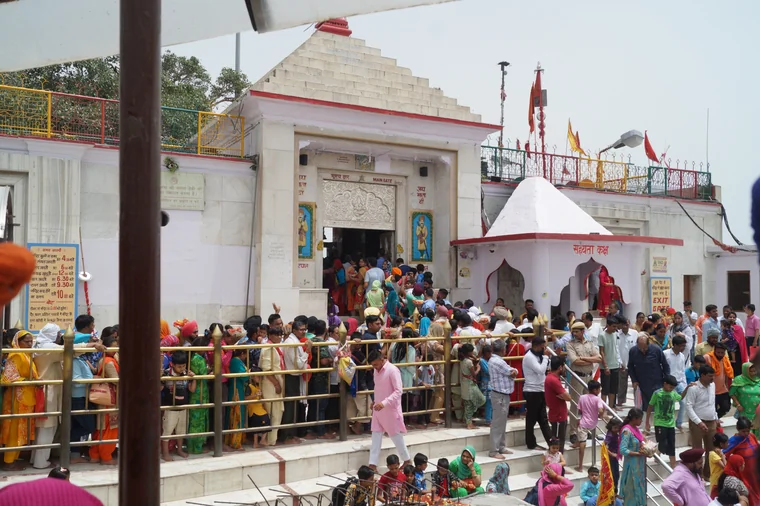
Naina Devi: Bilaspur
Naina Devi is a major hilltop goddess shrine in Bilaspur district. Distinguish this Himachal temple from Naina Devi beside the lake in Nainital, Uttarakhand. Allow time for prayer and respect the local worship tradition. Festival crowds may require a longer visit.
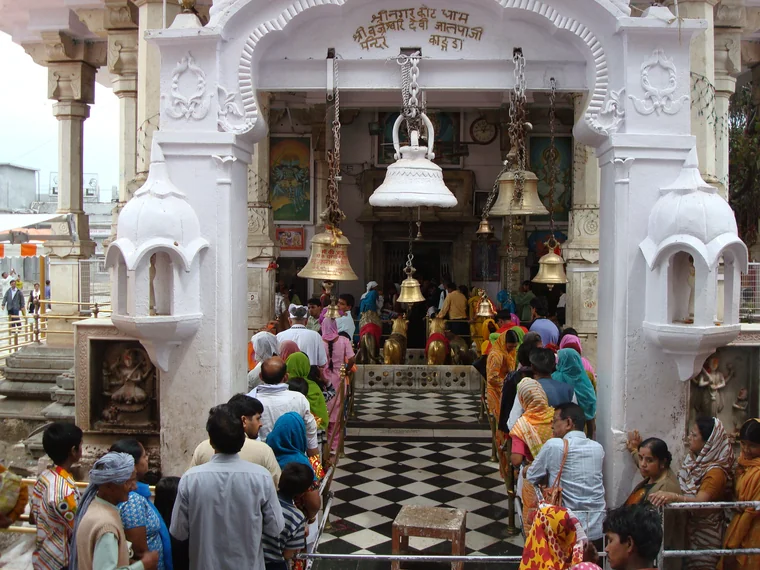
Chamunda Nandikeshwar Dham: Kangra
Chamunda Nandikeshwar Dham in Kangra honours Goddess Chamunda. Chamba has a different Chamunda temple, so specify Kangra when arranging transport. Allow time for prayer and respect the local worship tradition. Festival crowds may require a longer visit.

Manimahesh Yatra
Manimahesh Lake in Chamba is a sacred high-mountain destination for Shiva devotees. The route through Bharmour and Hadsar requires a demanding seasonal trek, not a direct drive to a temple. Allow time for prayer and respect the local worship tradition. Festival crowds may require a longer visit.
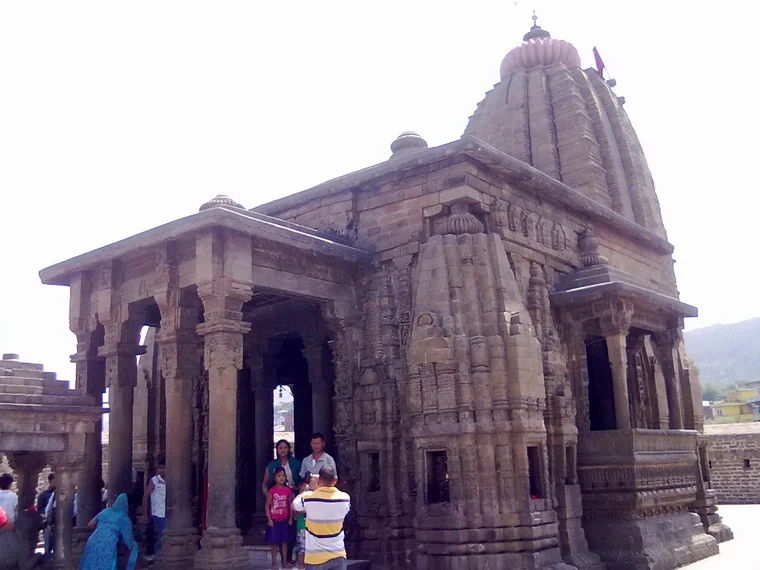
Baijnath Shiva Temple: Kangra
Baijnath in Kangra is a historic stone temple dedicated to Shiva. This is distinct from the Baijnath temple complex in Kumaon, Uttarakhand. Allow time for prayer and respect the local worship tradition. Festival crowds may require a longer visit.
Bijli Mahadev / KulluBijli Mahadev: Kullu
Bijli Mahadev is a Shiva shrine on a high ridge near Kullu. Its local religious traditions connect lightning with the Shiva lingam; allow time for the uphill approach. Allow time for prayer and respect the local worship tradition. Festival crowds may require a longer visit.
Rewalsar / MandiRewalsar sacred lake
Rewalsar brings Hindu, Buddhist and Sikh sacred places together around a lake. Buddhist tradition associates it with Padmasambhava and Sikh tradition with Guru Gobind Singh. Allow time for prayer and respect the local worship tradition. Festival crowds may require a longer visit.
Manikaran / Parvati ValleyManikaran Sahib and temples
Manikaran in the Parvati Valley contains a gurdwara and Hindu temples. Hot springs are a prominent feature, and Sikh tradition recalls Guru Nanak’s visit. Allow time for prayer and respect the local worship tradition. Festival crowds may require a longer visit.
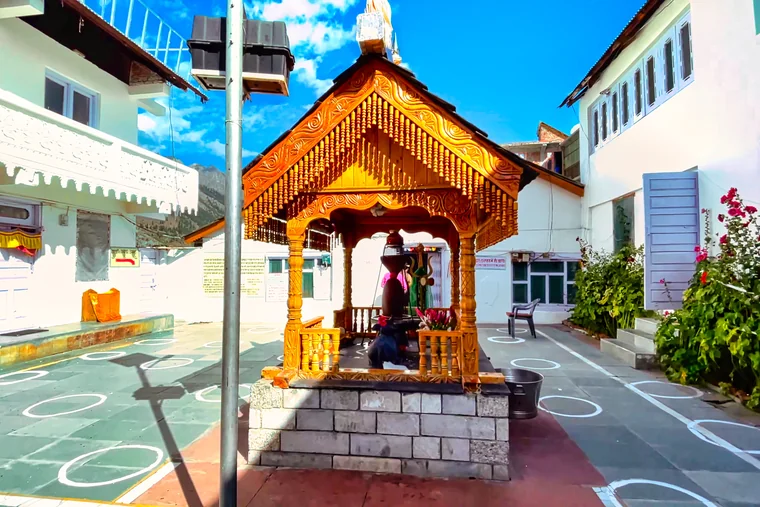
Triloknath: Lahaul
Triloknath in Lahaul’s Udaipur area is revered in both Hindu and Buddhist traditions, as Shiva and Avalokiteshvara respectively. This is distinct from the similarly named temple in Mandi. Allow time for prayer and respect the local worship tradition. Festival crowds may require a longer visit.
Udaipur / LahaulMrikula Devi: Udaipur, Lahaul
Mrikula Devi in Udaipur, Lahaul, is known for intricate wooden carvings. Respect worship and photography rules when viewing the carved interior and ceiling. Allow time for prayer and respect the local worship tradition. Festival crowds may require a longer visit.
Hatkoti / Pabbar Valley / ShimlaHatkoti: Hateshwari Mata
Hatkoti’s Devi and Shiva temples stand in the Pabbar Valley. Reaching them requires a separate mountain-road journey from Shimla, not a brief city-temple detour. Allow time for prayer and respect the local worship tradition. Festival crowds may require a longer visit.
Sultanpur / KulluRaghunathji Temple: Kullu
Raghunathji in Sultanpur, Kullu, is an important centre of Rama devotion. The deity and the region’s local devta traditions are central to Kullu Dussehra. Allow time for prayer and respect the local worship tradition. Festival crowds may require a longer visit.
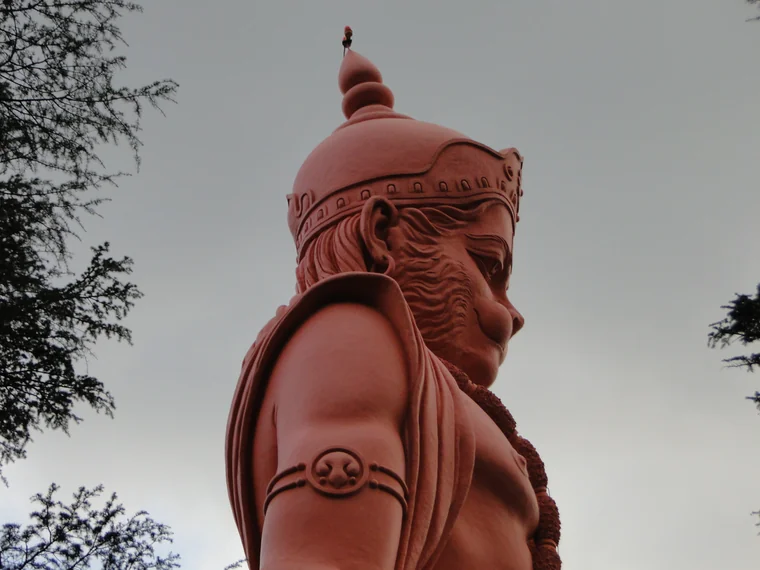
Jakhu Hanuman Temple
Jakhu Hill in Shimla holds a prominent Hanuman shrine and a large Hanuman statue. Confirm the uphill access or currently operating local transport before visiting. Allow time for prayer and respect the local worship tradition. Festival crowds may require a longer visit.
Tara Devi Hill / ShimlaTara Devi Temple
Tara Devi is a goddess temple on a wooded hill near Shimla. It is separate from the central market area; plan the local hill approach and return. Allow time for prayer and respect the local worship tradition. Festival crowds may require a longer visit.
Sankat Mochan / ShimlaSankat Mochan Hanuman: Shimla
Sankat Mochan is a Hanuman shrine near the approach to Shimla. It is a separate destination from Jakhu’s Hanuman temple, so arrange each visit separately. Allow time for prayer and respect the local worship tradition. Festival crowds may require a longer visit.
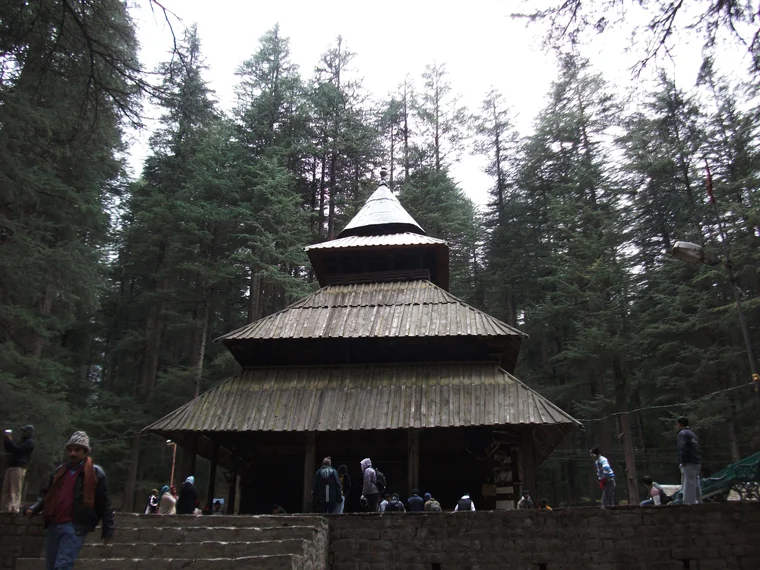
Hidimba Devi: Manali
Hidimba Devi at Dhungri, Manali, is known for its distinctive wooden temple architecture among cedar trees. Local devotion connects the goddess with Hidimba of the Mahabharata. Allow time for prayer and respect the local worship tradition. Festival crowds may require a longer visit.
Vashisht village / ManaliVashisht Temple and hot springs
Vashisht village near Manali is known for a shrine associated with sage Vashishtha and hot springs. Temple entry and permission to bathe are separate matters; check local instructions. Allow time for prayer and respect the local worship tradition. Festival crowds may require a longer visit.
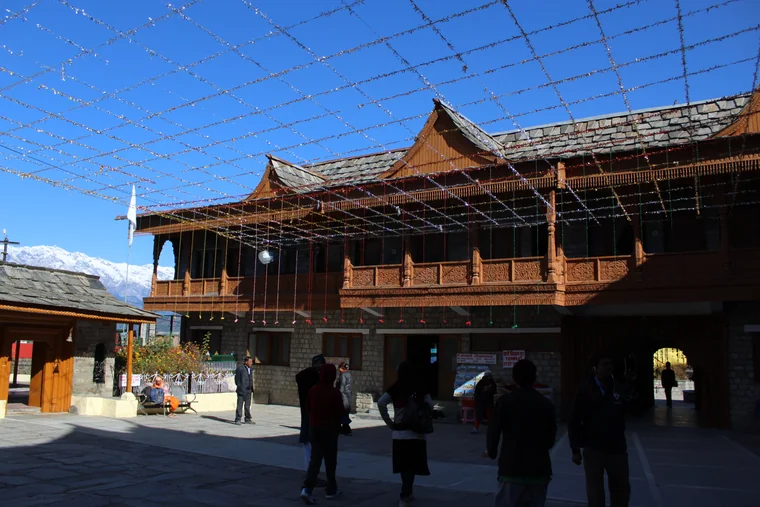
Bhimakali Temple: Sarahan
Bhimakali at Sarahan is notable for its multi-storeyed Himalayan timber-and-stone architecture. It is a major centre of goddess worship and Bushahr cultural heritage. Allow time for prayer and respect the local worship tradition. Festival crowds may require a longer visit.
Renukaji / SirmaurRenukaji lake and temple
Renukaji Lake in Sirmaur has shrines of Renuka and Parashurama nearby. The local religious fair celebrates a symbolic reunion of mother and son. Allow time for prayer and respect the local worship tradition. Festival crowds may require a longer visit.
Bharmour / ChambaChaurasi temples: Bharmour
Bharmour’s Chaurasi courtyard preserves historic shrines to several deities. Visiting it has a place in local Manimahesh pilgrimage tradition, but trekking to the lake is a separate journey. Allow time for prayer and respect the local worship tradition. Festival crowds may require a longer visit.
Kathgarh / Indora / KangraKathgarh Mahadev
Kathgarh near Indora venerates a lingam with two distinct parts. Local religious tradition regards the larger part as Shiva and the smaller as Parvati. Allow time for prayer and respect the local worship tradition. Festival crowds may require a longer visit.
Masroor / KangraMasroor rock-cut temples
Masroor is an ancient rock-cut temple complex in Kangra. It combines sculptural and religious heritage; avoid climbing protected structures or damaging the stonework. Allow time for prayer and respect the local worship tradition. Festival crowds may require a longer visit.
Pilgrimage places in Karnataka
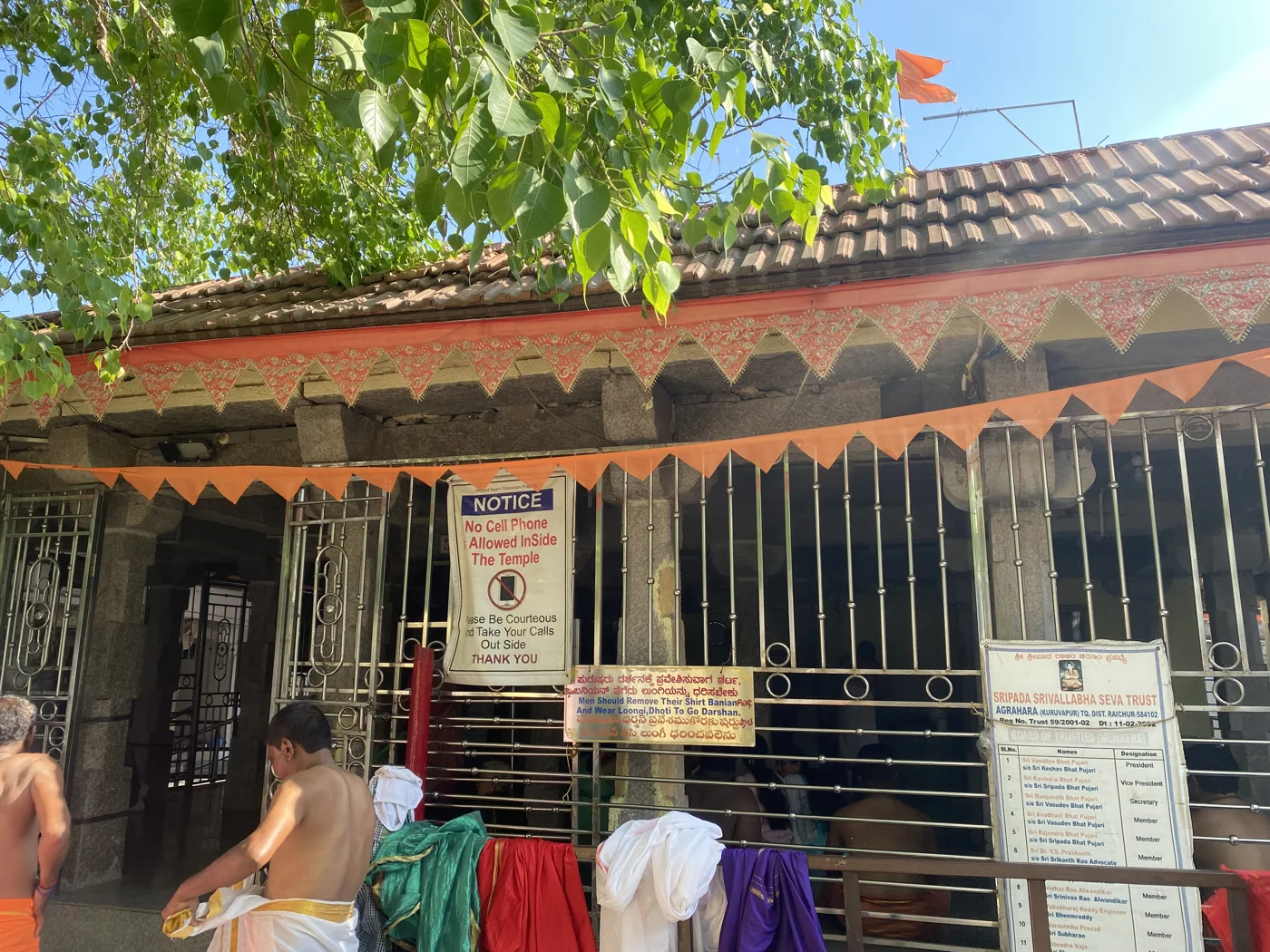
Kuravapur: Sripada Srivallabha’s island pilgrimage
A Datta shrine on an island in the Krishna River: its tradition, trains to Raichur, the road approach and preparation for the boat crossing.
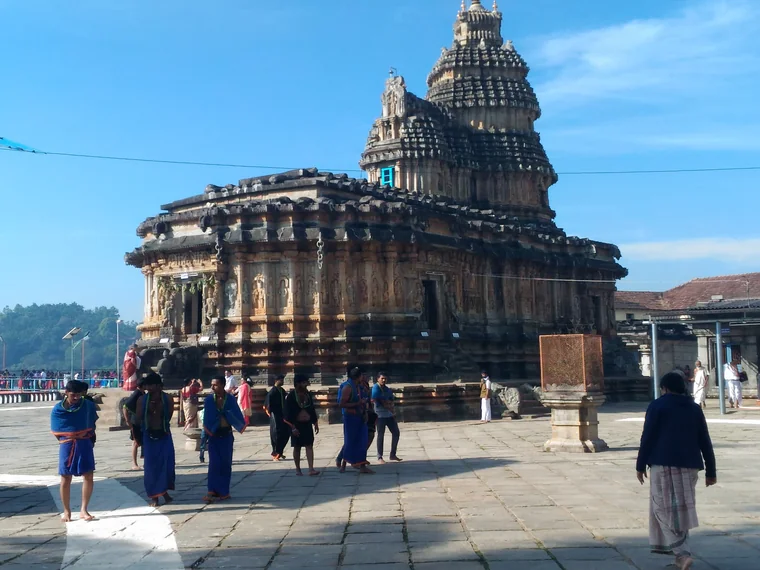
Sringeri: Sharadamba and Vidyashankara
Sringeri’s Sharada Peetham beside the Tunga is an Advaita centre, with separate Sharadamba and Vidyashankara temples. Allow time for the principal shrine and nearby shrines; ask the temple office about procedures and charges before arranging a ritual.
Horanadu / ChikkamagaluruHoranadu: Annapoorneshwari
Horanadu in the Western Ghats honours Annapoorneshwari and a tradition of food service; confirm present meal arrangements locally. Allow time for the principal shrine and nearby shrines; ask the temple office about procedures and charges before arranging a ritual.
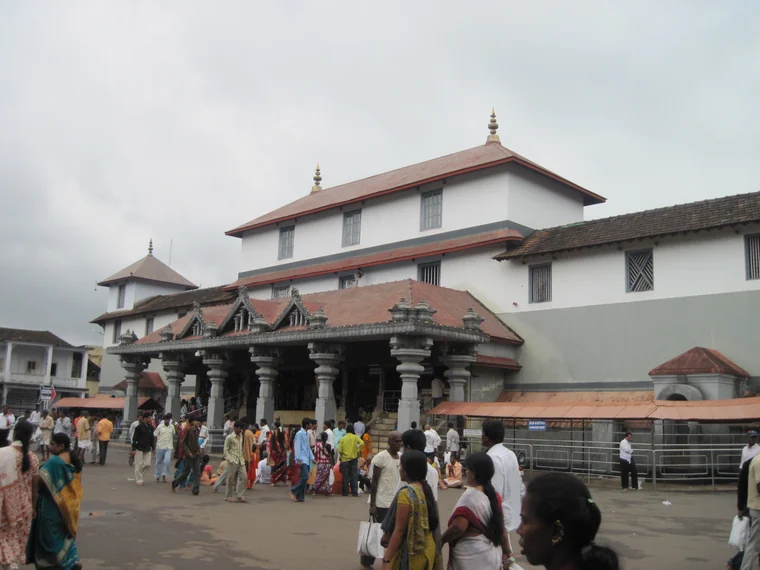
Dharmasthala: Manjunatha
Dharmasthala worships Shiva as Manjunatha; Jain Heggade stewardship and charitable service distinguish this pilgrimage centre. Allow time for the principal shrine and nearby shrines; ask the temple office about procedures and charges before arranging a ritual.
Subramanya / Dakshina KannadaKukke Subramanya
Kukke near the Kumaradhara is devoted to Subramanya and serpent worship traditions; ritual results should never be treated as guaranteed. Allow time for the principal shrine and nearby shrines; ask the temple office about procedures and charges before arranging a ritual.
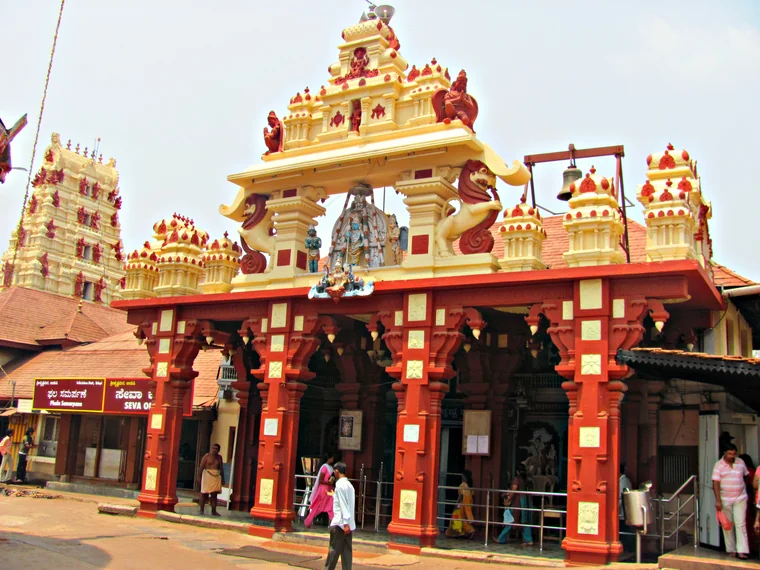
Udupi: Sri Krishna Matha
Udupi Krishna Matha is central to Madhva tradition; stories of Kanakadasa and Kanakana Kindi belong to its devotional heritage. Allow time for the principal shrine and nearby shrines; ask the temple office about procedures and charges before arranging a ritual.
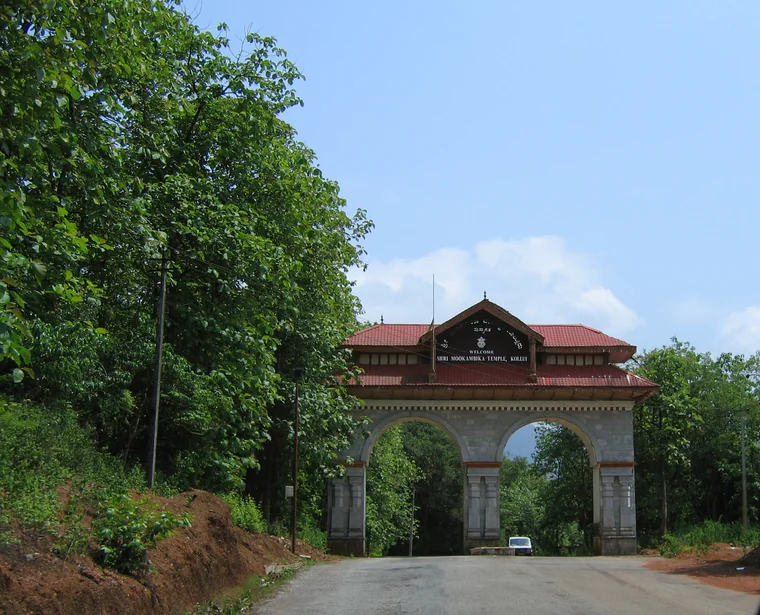
Kollur: Mookambika
Kollur near Kodachadri is a major Mookambika shrine; visiting the mountain is a separate excursion from temple darshan. Allow time for the principal shrine and nearby shrines; ask the temple office about procedures and charges before arranging a ritual.
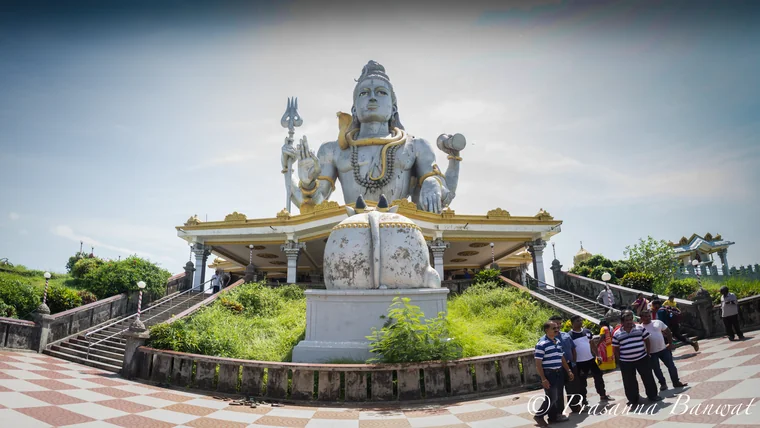
Murudeshwar
Murudeshwar is known for its seaside temple and large Shiva statue; plan the coastal viewpoints separately from worship. Allow time for the principal shrine and nearby shrines; ask the temple office about procedures and charges before arranging a ritual.
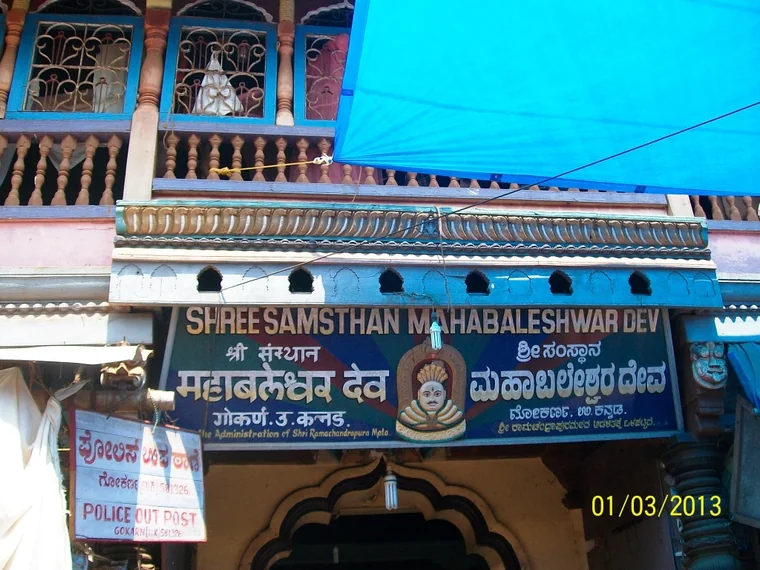
Gokarna: Mahabaleshwara
The Atmalinga at Gokarna’s Mahabaleshwara temple is linked to the Ravana narrative in religious tradition. Allow time for the principal shrine and nearby shrines; ask the temple office about procedures and charges before arranging a ritual.
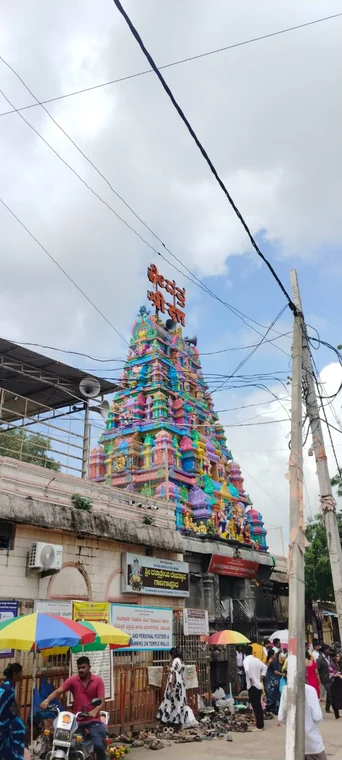
Ganagapur: Nirguna Padukas
Ganagapur venerates Nirguna Padukas in Narasimha Saraswati’s Datta tradition; the math and Bhima–Amaraja confluence are separate stops. Allow time for the principal shrine and nearby shrines; ask the temple office about procedures and charges before arranging a ritual.
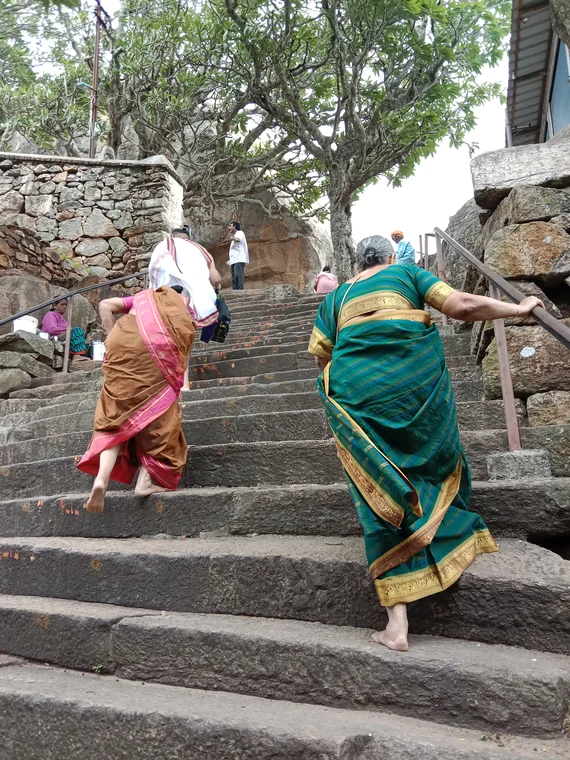
Melukote: Cheluvanarayana and Yoga Narasimha
Melukote is associated with Ramanuja’s Sri Vaishnava tradition; Cheluvanarayana in town and hilltop Yoga Narasimha are separate temples. Allow time for the principal shrine and nearby shrines; ask the temple office about procedures and charges before arranging a ritual.
Srirangapatna / MandyaSrirangapatna: Ranganathaswamy
Srirangapatna’s island temple worships reclining Vishnu as Ranganathaswamy; the town’s historical monuments are separate visits. Allow time for the principal shrine and nearby shrines; ask the temple office about procedures and charges before arranging a ritual.
Chamundi Hill / MysuruMysuru: Chamundeshwari
Chamundeshwari on Chamundi Hill is linked to Mysuru’s royal tradition and Dasara; the Mahishasura narrative is part of devotional tradition. Allow daylight for hill steps and the return; ask in advance about the current approach and assistance for older visitors.
Nanjangud / MysuruNanjangud: Srikanteshwara
Nanjangud on the Kapila honours Shiva as Srikanteshwara; Dakshina Kashi is a devotional name for this centre. Allow time for the principal shrine and nearby shrines; ask the temple office about procedures and charges before arranging a ritual.
Talakadu / MysuruTalakadu: Vaidyeshwara and temple group
Talakadu beside the Kaveri is known for Vaidyeshwara and the Panchalinga Darshana tradition; that festival is not a daily event. Allow time for the principal shrine and nearby shrines; ask the temple office about procedures and charges before arranging a ritual.
Somanathapura / MysuruSomanathapura: Keshava temple heritage
Somanathapura’s Keshava temple belongs to UNESCO’s Sacred Ensembles of the Hoysalas; visit as a protected architectural monument. Visit for its sacred architectural heritage; do not assume that regular worship or sanctum access is available.
Belur / HassanBelur: Chennakeshava
Belur’s Chennakeshava is a Vishnu shrine within the UNESCO Hoysala ensemble; observe carvings without disrupting worship. Allow time for the principal shrine and nearby shrines; ask the temple office about procedures and charges before arranging a ritual.
Halebidu / HassanHalebidu: Hoysaleshwara
Halebidu’s paired Hoysaleshwara shrines are dedicated to Shiva; their detailed carvings form part of UNESCO’s Hoysala ensemble. Visit for its sacred architectural heritage; do not assume that regular worship or sanctum access is available.
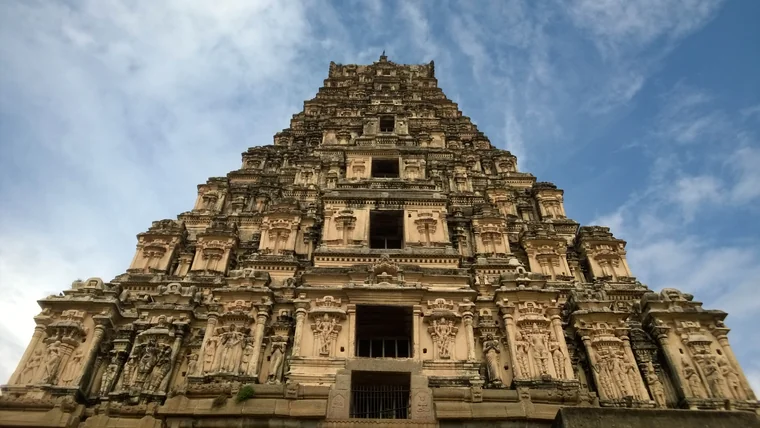
Hampi: Virupaksha
Virupaksha remains a Shiva worship centre within Hampi’s UNESCO-listed Vijayanagara landscape beside the Tungabhadra. Allow time for the principal shrine and nearby shrines; ask the temple office about procedures and charges before arranging a ritual.
Hampi / VijayanagaraHampi: Vittala temple heritage
The Vittala complex is known for its stone chariot and carved halls; do not strike pillars or climb sculptures. Visit for its sacred architectural heritage; do not assume that regular worship or sanctum access is available.
Badami / BagalkotBadami: cave temples
Badami’s rock-cut caves display Shaiva, Vaishnava and Jain imagery; allow time for the ascent and archaeological visit. Visit for its sacred architectural heritage; do not assume that regular worship or sanctum access is available.
Pattadakal / BagalkotPattadakal: Chalukya temple ensemble
UNESCO-listed Pattadakal combines northern and southern temple forms; allow separate visits to Virupaksha and the other monuments. Visit for its sacred architectural heritage; do not assume that regular worship or sanctum access is available.
Aihole / BagalkotAihole: temple architecture heritage
Aihole illustrates Chalukya architectural experimentation; the familiar name Durga Temple should not be read as a simple identification of its deity. Visit for its sacred architectural heritage; do not assume that regular worship or sanctum access is available.
Cholachagudda / BadamiBadami: Banashankari
Banashankari near Badami is a goddess pilgrimage centre known for its fair; distinguish it from Bengaluru’s Banashankari temple. Allow time for the principal shrine and nearby shrines; ask the temple office about procedures and charges before arranging a ritual.
Kudalasangama / BagalkotKudalasangama: Sangameshwara and Basavanna memorial
Kudalasangama at the Krishna–Malaprabha confluence is linked to Basavanna and Lingayat tradition; verify safe permitted river access before bathing. Allow time for the principal shrine and nearby shrines; ask the temple office about procedures and charges before arranging a ritual.
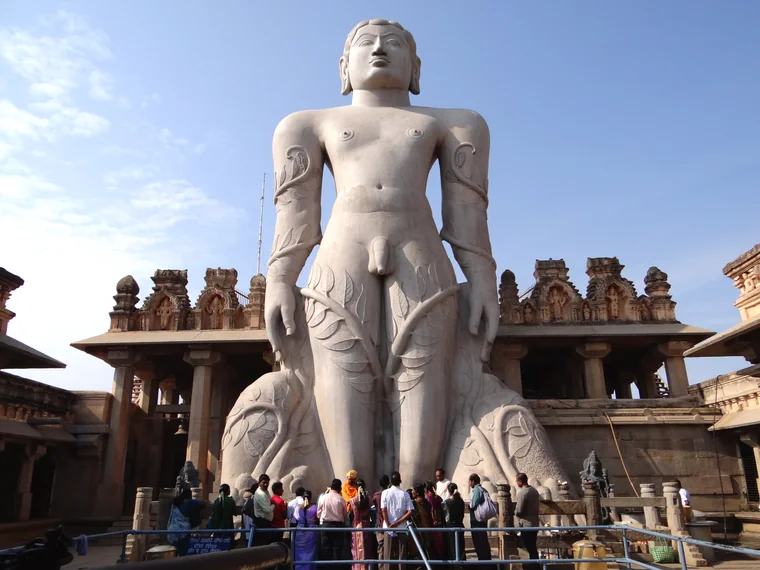
Shravanabelagola: Bahubali
The monolithic Bahubali on Vindhyagiri anchors this Jain pilgrimage; Chandragiri’s basadis stand on a separate hill. Respect Jain traditions of nonviolence and restraint. Confirm consecration ceremonies or major festival dates with the organisers.
Karkala / UdupiKarkala: Bahubali and Chaturmukha Basadi
Karkala is known for its Jain Bahubali statue and Chaturmukha Basadi; plan them as separate stops. Respect Jain traditions of nonviolence and restraint. Confirm consecration ceremonies or major festival dates with the organisers.
Venur / Dakshina KannadaVenur: Bahubali
Venur’s Bahubali statue marks a Jain pilgrimage centre; distinguish it from the statues at Karkala and Shravanabelagola. Respect Jain traditions of nonviolence and restraint. Confirm consecration ceremonies or major festival dates with the organisers.
Kateel / Dakshina KannadaKateel: Durgaparameshwari
Kateel’s Durgaparameshwari shrine stands in the Nandini river setting; follow local access guidance during heavy rain. Allow time for the principal shrine and nearby shrines; ask the temple office about procedures and charges before arranging a ritual.
Sigandur / ShivamoggaSigandur: Chowdeshwari
Sigandur Chowdeshwari lies in the Sharavathi reservoir region; the temple’s current directions include a road crossing by bridge. Allow time for the principal shrine and nearby shrines; ask the temple office about procedures and charges before arranging a ritual.
Saundatti / BelagaviSaundatti: Renuka Yellamma
Yellamma’s hill shrine near Saundatti honours Renuka; arrange transport and crowd-aware darshan plans before a fair visit. Allow daylight for hill steps and the return; ask in advance about the current approach and assistance for older visitors.
Devarayanadurga / TumakuruDevarayanadurga: Narasimha shrines
Devarayanadurga has separate Bhoga Narasimha and Yoga Narasimha temples; allow time for both levels of the hill setting. Allow daylight for hill steps and the return; ask in advance about the current approach and assistance for older visitors.
Shivagange / Bengaluru RuralShivagange: Gangadhareshwara
Shivagange hill is known for Gangadhareshwara’s Shiva shrine; higher climbing is more demanding than a basic temple visit. Allow daylight for hill steps and the return; ask in advance about the current approach and assistance for older visitors.
Pilgrimage places in Jharkhand
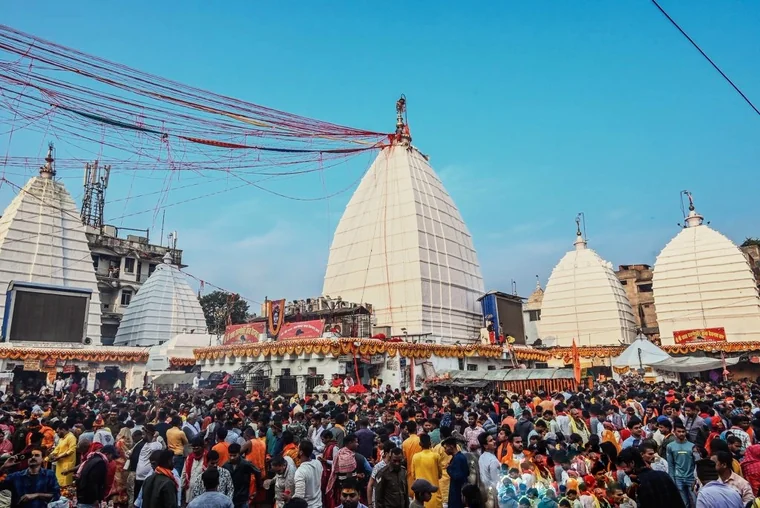
Baba Baidyanath Dham: Deoghar
Baba Baidyanath at Deoghar is revered as a major Shiva Jyotirlinga pilgrimage. The Shravan tradition of kanwar devotees offering water is central to its devotional life. Check current queue and ritual arrangements; Baijnath in Himachal is a different destination.
Basukinath / DumkaBaba Basukinath Dham
Basukinath in Dumka district is a major Shiva pilgrimage. Many devotees combine it with Baidyanath at Deoghar, travelling separately by road between the shrines. Allow extra time and reserve lodging for busy pilgrimage periods.
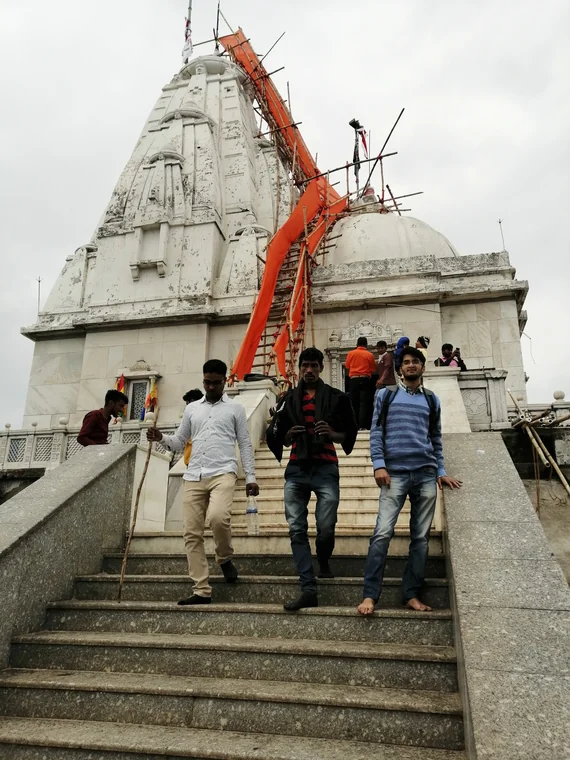
Parasnath / Sammed Shikharji
Parasnath Hill in Giridih is Sammed Shikharji in Jain tradition, associated with the liberation of many Tirthankaras. Madhuban’s base temples and the hilltop tonk circuit are separate parts of the pilgrimage. The mountain is also sacred as Marang Buru in Santhal tradition.
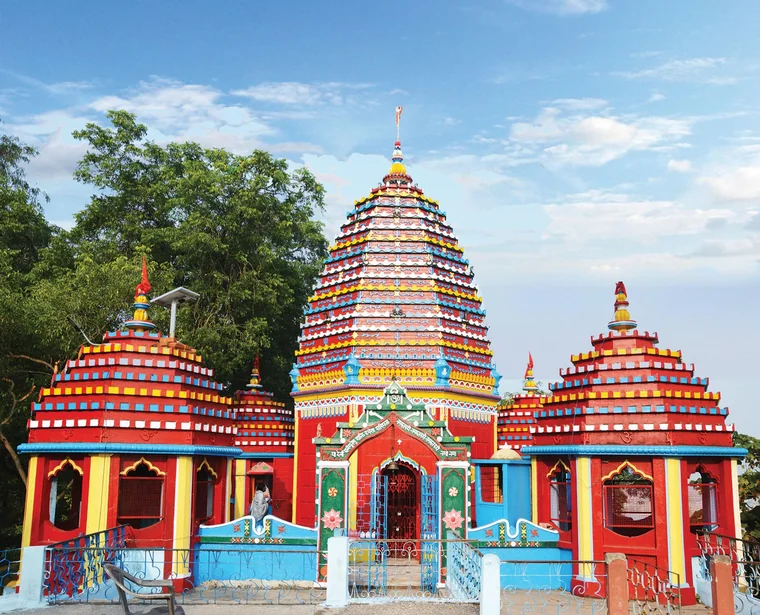
Rajrappa: Chhinnamastika Devi
Rajrappa in Ramgarh district is a major shrine of Chhinnamastika Devi. The Bhairavi and Damodar meet near the temple. Plan worship and a riverside visit separately; do not assume the confluence is safe for bathing.
Itkhori / ChatraItkhori: Bhadrakali Temple
Bhadrakali at Itkhori in Chatra combines living goddess worship with archaeological heritage. The complex preserves references to Hindu, Buddhist and Jain traditions. Allow time for the images and remains, distinguishing religious narratives from documented archaeology.
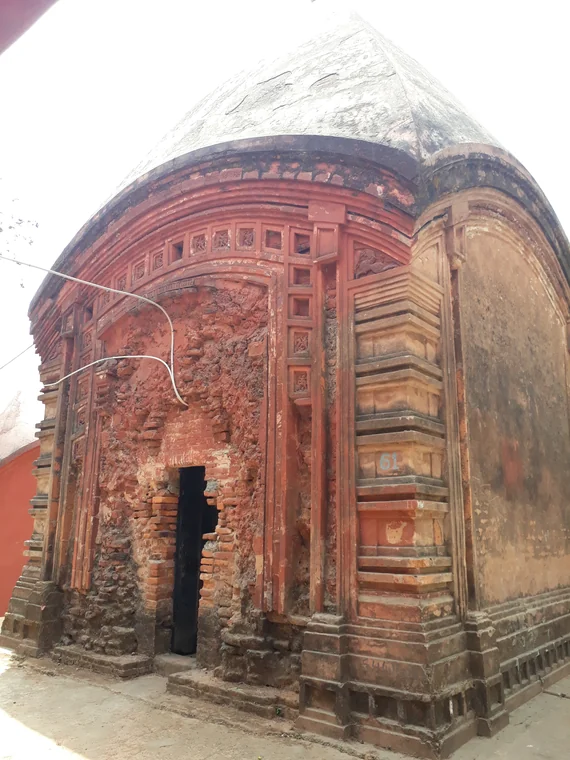
Maluti temple village
Maluti in Dumka is a village of historic temples with terracotta decoration illustrating religious narratives. Local worship includes Mauliksha Devi. Respect both living worship and fragile heritage by avoiding contact that damages carvings or walls.
Angrabari / KhuntiAngrabari / Amreshwar Dham
Angrabari on the Khunti–Torpa road is also called Amreshwar Dham. It is a significant local centre of Shiva worship. Arrange a road excursion through Khunti from Ranchi rather than expecting a railway station at the temple.
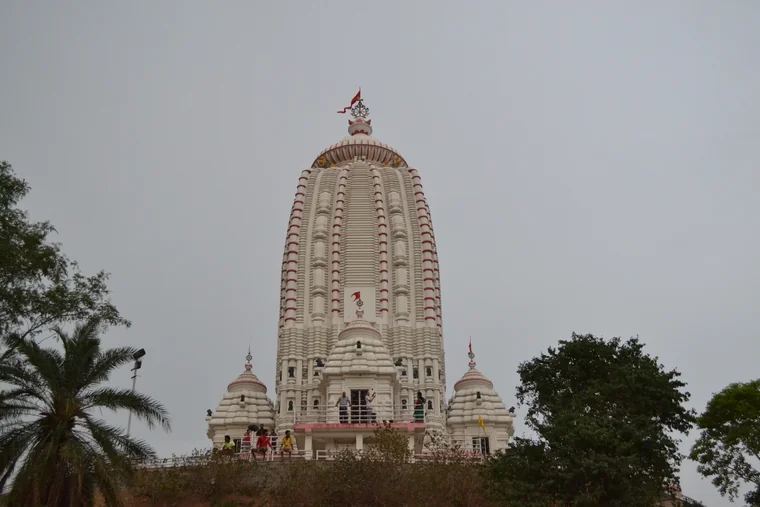
Jagannath Temple: Ranchi
Jagannath Temple in Ranchi’s Dhurwa–Jagannathpur area is a historic devotional centre. Its local Rath Yatra reflects cultural links with the Jagannath tradition of Puri. Keep this Ranchi destination distinct from the temple in Puri, Odisha.
Ranchi HillPahari Shiva Temple: Ranchi
Pahari Mandir places Shiva worship on the summit of Ranchi Hill. Although within the city, reaching the shrine involves climbing steps. Plan assistance and rest stops for visitors who find stairs difficult.
Dewri / Tamar / RanchiMaa Dewri Temple: Tamar
Maa Dewri near Tamar is a prominent local goddess shrine, known for its sixteen-armed image. Specify Dewri near Tamar on the Ranchi–Tata road when arranging transport. Do not confuse it with another village of a similar name.
Sun Temple / BunduSun Temple: Bundu
The Sun Temple near Bundu is dedicated to Surya and distinguished by chariot-inspired architecture. It is a separate road excursion outside Ranchi. Confirm the Bundu destination rather than another Sun temple within the city.
Naulakha / DeogharNaulakha Radha–Krishna Temple
Naulakha in Deoghar is a Radha–Krishna temple. District records describe Rani Charushila’s contribution to its construction. It offers a separate devotional stop from the busy Baidyanath precinct.
Harihar Dham / Bagodar / GiridihHarihar Dham: Bagodar
Harihar Dham near Bagodar in Giridih is known for its large Shiva lingam. It is a separate temple destination for Shiva devotees. Hazaribagh Road railway station is in the Suriya area, not Hazaribagh city.
Bindudham / Barharwa / SahibganjBindudham: Barharwa
Bindudham near Barharwa in Sahibganj is a local goddess-devotion destination. Confirm the hill approach and return transport locally. Visiting it is a separate district excursion from the Deoghar temple circuit.
Shivgadi / Barhait / SahibganjShivgadi / Gajeshwarnath Dham
Shivgadi near Barhait is a cave shrine with a Shiva lingam. Local worship also uses the name Gajeshwarnath. Check wet passage and step conditions and plan the visit during daylight.
Tapovan / DeogharTapovan: Deoghar
Tapovan’s hills near Deoghar are associated with contemplative and local temple traditions. Cave visits and Taponath Mahadev form part of the sacred landscape. Plan the walking excursion separately from city temples and confirm currently permitted access.
Trikut Hills / DeogharTrikut Hills and sacred sites
Trikut near Deoghar is associated with religious narratives and local Shiva devotion. Confirm the foothill shrine approach and any permitted ascent separately. Older tourism descriptions mention a ropeway, but do not assume it is currently operating.
Satsang Ashram / DeogharSatsang Ashram: Deoghar
Satsang Ashram in Deoghar is a major devotional centre for followers of Thakur Anukulchandra. Prayer, satsang and service shape its spiritual life. Arrange a visit around current ashram activities rather than assuming ordinary temple arrangements.
Pilgrimage places in Kerala
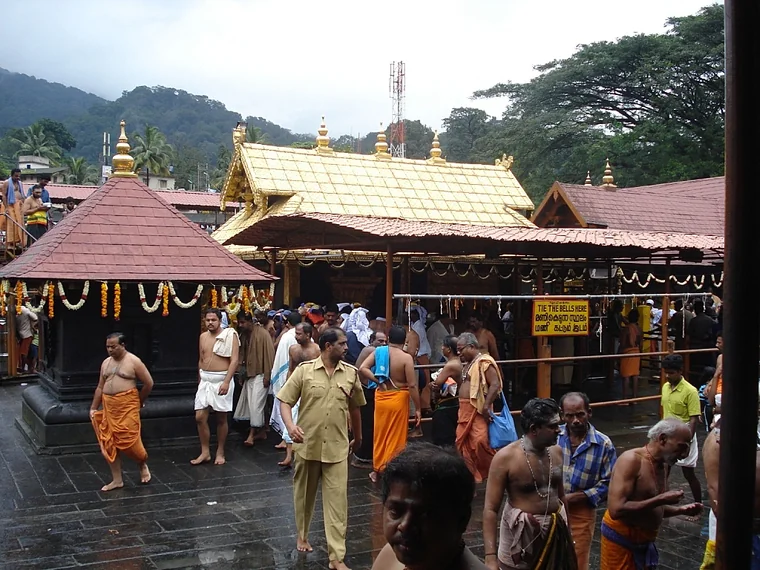
Sabarimala: Ayyappa
Sabarimala is Ayyappa’s major forest hill pilgrimage. Worship follows authorised seasonal and designated opening days, with a walking approach beyond Pamba. Allow time for worship and the surroundings; festival traffic arrangements may differ from an ordinary day.
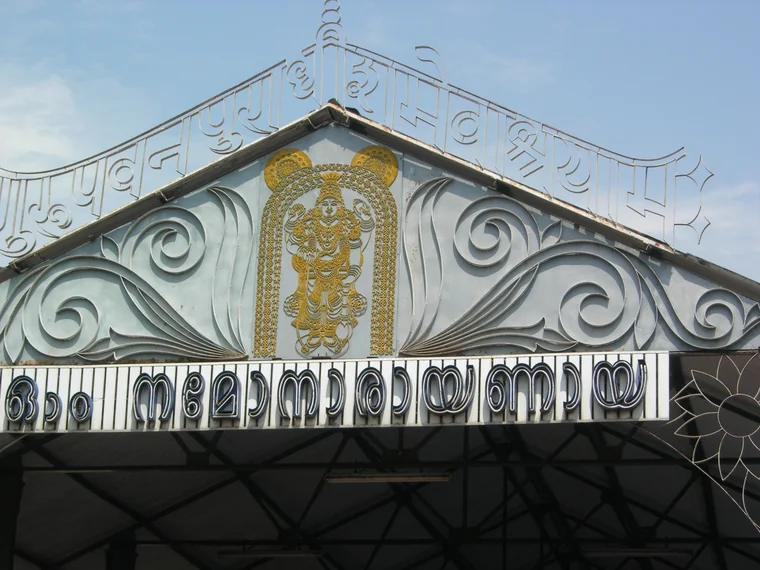
Guruvayur: Sri Krishna
Guruvayur is a major Krishna shrine honouring Guruvayurappan. Devotional tradition connects its name with Guru Brihaspati and Vayu. Allow time for worship and the surroundings; festival traffic arrangements may differ from an ordinary day.
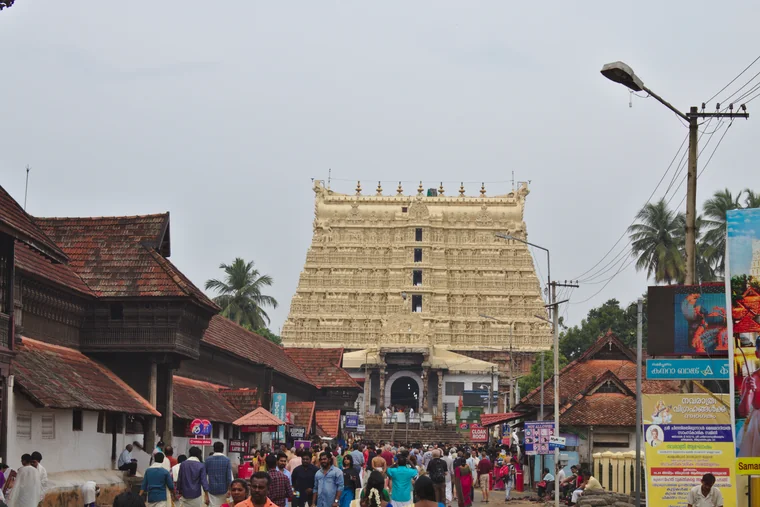
Thiruvananthapuram: Padmanabhaswamy
Padmanabhaswamy at East Fort honours reclining Vishnu in Anantha Shayana. Its Kerala–Dravidian architecture and association with Travancore distinguish the shrine. Allow time for worship and the surroundings; festival traffic arrangements may differ from an ordinary day.
Attukal / ThiruvananthapuramAttukal: Bhagavathy
Attukal Bhagavathy is known for women’s Pongala food offering festival. Festival road arrangements differ from ordinary temple visits. Allow time for worship and the surroundings; festival traffic arrangements may differ from an ordinary day.
Chottanikkara / ErnakulamChottanikkara: Bhagavathy
Chottanikkara near Ernakulam is a major Bhagavathy pilgrimage. Learn its worship traditions; devotional healing narratives are not substitutes for medical care. Allow time for worship and the surroundings; festival traffic arrangements may differ from an ordinary day.
Vaikom / KottayamVaikom: Mahadeva
Vaikom is a major Kerala Shiva pilgrimage and Ashtami festival centre. The area also connects with the social history of the Vaikom Satyagraha. Allow time for worship and the surroundings; festival traffic arrangements may differ from an ordinary day.
Ettumanoor / KottayamEttumanoor: Mahadeva
Ettumanoor’s Shiva temple is known for murals and the Ezharaponnana festival tradition. Observe its art without interrupting worship. Allow time for worship and the surroundings; festival traffic arrangements may differ from an ordinary day.
Kaduthuruthy / KottayamKaduthuruthy: Mahadeva
Kaduthuruthy Mahadeva is linked with the Vaikom and Ettumanoor Shiva pilgrimage tradition. Distinguish it from the town’s Valiapalli church. Allow time for worship and the surroundings; festival traffic arrangements may differ from an ordinary day.
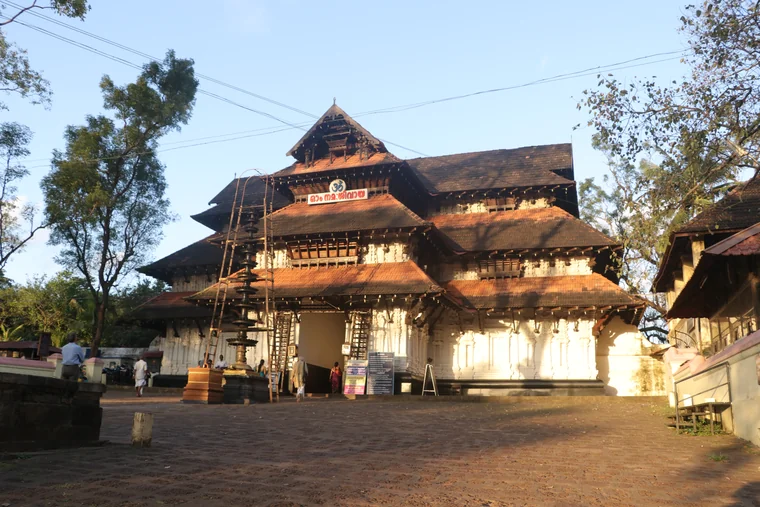
Thrissur: Vadakkunnathan
Vadakkunnathan is Thrissur’s central Shiva temple, noted for Kerala architecture. Pooram arrangements around it differ from routine temple darshan. Allow time for worship and the surroundings; festival traffic arrangements may differ from an ordinary day.
Kodungallur / ThrissurKodungallur: Bhagavathy
Kodungallur Bhagavathy is known for goddess traditions and Bharani festivities. Plan the surrounding Muziris heritage separately from darshan. Allow time for worship and the surroundings; festival traffic arrangements may differ from an ordinary day.
Parassinikadavu / KannurParassinikadavu: Muthappan
Muthappan’s shrine beside the Valapattanam river is associated with Theyyam worship. Ask about present ritual hours; a performance and a simple visit may differ. Allow time for worship and the surroundings; festival traffic arrangements may differ from an ordinary day.
Thirunelli / WayanadThirunelli: Maha Vishnu
Thirunelli’s Maha Vishnu shrine in Wayanad’s hills is associated with ancestral remembrance. Confirm ritual arrangements and forest access near Papanasini separately. Allow time for worship and the surroundings; festival traffic arrangements may differ from an ordinary day.
Payyannur / KannurPayyannur: Subramanya
Payyannur’s Subramanya shrine is known for the Pavithra Mothiram ring tradition. Use recognised counters and confirm prices for religious items. Allow time for worship and the surroundings; festival traffic arrangements may differ from an ordinary day.
Peralassery / KannurPeralassery: Subramanya
Peralassery’s Subramanya shrine is known for serpent traditions and a stepped temple tank. Follow tank-side rules; do not assume bathing is permitted. Allow time for worship and the surroundings; festival traffic arrangements may differ from an ordinary day.
Kottiyoor / KannurKottiyoor: Shiva pilgrimage
Kottiyoor has Akkare and Ikkare shrines on different river banks. Akkare opens for the annual festival, while Ikkare has a separate year-round worship tradition. Allow time for worship and the surroundings; festival traffic arrangements may differ from an ordinary day.
Thiruvalla / PathanamthittaThiruvalla: Sreevallabha
Thiruvalla’s Sreevallabha temple honours Vishnu. Kathakali as a devotional offering is part of its cultural identity. Allow time for worship and the surroundings; festival traffic arrangements may differ from an ordinary day.
Ambalappuzha / AlappuzhaAmbalappuzha: Sri Krishna
Ambalappuzha’s Krishna shrine is noted for paalpayasam offerings. Confirm the current ordering and distribution arrangements with the temple. Allow time for worship and the surroundings; festival traffic arrangements may differ from an ordinary day.
Chettikulangara / AlappuzhaChettikulangara: Bhagavathy
Chettikulangara Bhagavathy is known for Bharani and Kettukazhcha festivities. The large decorated festival structures are not an everyday darshan feature. Allow time for worship and the surroundings; festival traffic arrangements may differ from an ordinary day.
Mannarasala / HaripadMannarasala: Nagaraja
Mannarasala near Haripad is devoted to Nagaraja. A woman-led priestly tradition distinguishes it; devotional outcomes should not be treated as guarantees. Allow time for worship and the surroundings; festival traffic arrangements may differ from an ordinary day.
Haripad / AlappuzhaHaripad: Subramanya
Haripad Subramanya is a prominent Murugan pilgrimage. The idol-installation narrative associated with the Payippad boat festival belongs to religious tradition. Allow time for worship and the surroundings; festival traffic arrangements may differ from an ordinary day.
Chengannur / AlappuzhaChengannur: Mahadeva and Bhagavathy
Chengannur honours Shiva and Bhagavathy. Rituals associated with the goddess’s Thriputhu tradition follow local observance rather than an assumed fixed daily event. Allow time for worship and the surroundings; festival traffic arrangements may differ from an ordinary day.
Aranmula / PathanamthittaAranmula: Parthasarathy
Aranmula’s Parthasarathy honours Krishna as Arjuna’s charioteer. Vallasadya and boat festivities are separate seasonal traditions. Allow time for worship and the surroundings; festival traffic arrangements may differ from an ordinary day.
Achankovil / KollamAchankovil: Dharmasastha
Achankovil honours Sastha in a householder form with Purna and Pushkala. Confirm forest-road conditions and the return journey beforehand. Allow time for worship and the surroundings; festival traffic arrangements may differ from an ordinary day.
Kulathupuzha / KollamKulathupuzha: Bala Sastha
Kulathupuzha worships Sastha in child form. Ask about local river-access and fish-feeding rules before approaching the water. Allow time for worship and the surroundings; festival traffic arrangements may differ from an ordinary day.
Aryankavu / KollamAryankavu: Sastha
Aryankavu stands in the hills near the Kerala–Tamil Nadu border. Its Sastha worship is associated with a youthful form and Tamil ritual traditions. Allow time for worship and the surroundings; festival traffic arrangements may differ from an ordinary day.
Kalady / ErnakulamKalady: Adi Shankara pilgrimage
Kalady beside the Periyar is regarded as Adi Shankaracharya’s birthplace. Check entry arrangements separately for the memorial and the different shrine precincts. Allow time for worship and the surroundings; festival traffic arrangements may differ from an ordinary day.
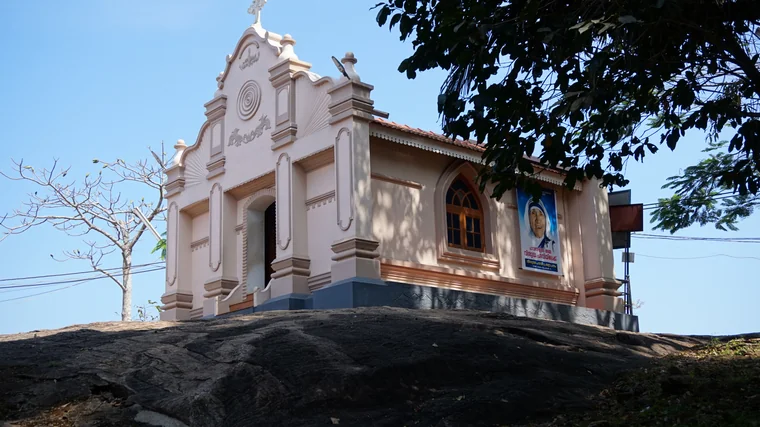
Malayattoor: St Thomas pilgrimage
Malayattoor’s Christian hill pilgrimage is linked by tradition to St Thomas. The uphill shrine involves a walking ascent and is separate from the church at the base. Allow time for worship and the surroundings; festival traffic arrangements may differ from an ordinary day.
Bharananganam / KottayamBharananganam: St Alphonsa
Bharananganam near Pala is a Christian pilgrimage associated with St Alphonsa’s tomb and memorial. Confirm arrangements separately for prayer spaces and the museum. Allow time for worship and the surroundings; festival traffic arrangements may differ from an ordinary day.
Sacred places in Manipur
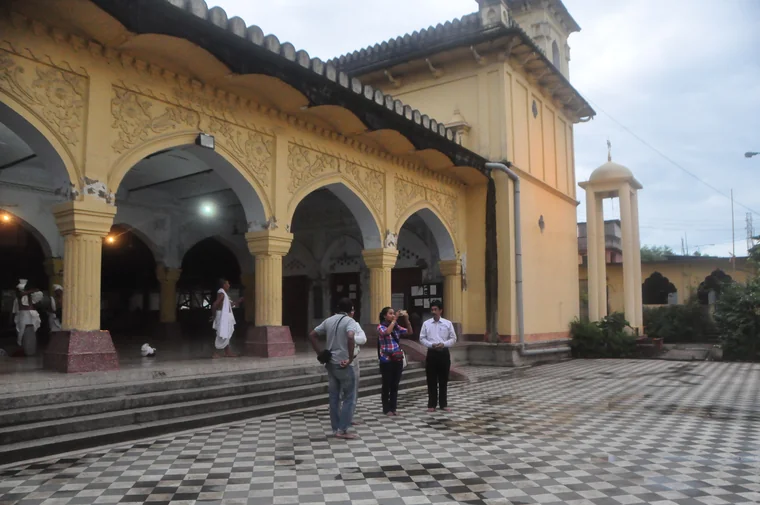
Shree Shree Govindajee
Govindajee beside the royal palace is a historic Vaishnava centre. Its twin domes and congregation hall frame the courtyard; confirm the current aarti schedule before an early visit.
Airport Road / Imphal WestISKCON Imphal: Radha Krishnachandra
The Manimandir on Airport Road is ISKCON’s Radha Krishnachandra temple. Its Gaudiya Vaishnava tradition gives a central place to kirtan; ask about current singing and prasada arrangements.
Sagolband / Imphal WestSagolband: Bijoy Govindajee
Bijoy Govindajee stands in Imphal’s Sagolband neighbourhood. Its moat hosts the ritual boat festival Heikru Hidongba; confirm the festival date and viewing arrangements locally.
Mahabali / Imphal EastMahabali: Hanuman Thakur
King Garib Niwaj built Hanuman Thakur in 1725 in the Mahabali groves beside the Imphal River. Its roof follows a Bengal hut form; allow separate time for worship and the riverside setting.
Kaina hillKaina sacred hill
Kaina is a hill sacred in the Vaishnava tradition. Tradition associates its jackfruit tree with the carving of a sacred image; ask about the current hill approach and walking requirements.
Moirang / BishnupurMoirang: Ibudhou Thangjing
Thangjing’s shrine in Moirang belongs to the ancient Meitei sacred tradition. Lai Haraoba honours the deity through ritual and dance; confirm current festival dates and participation rules.
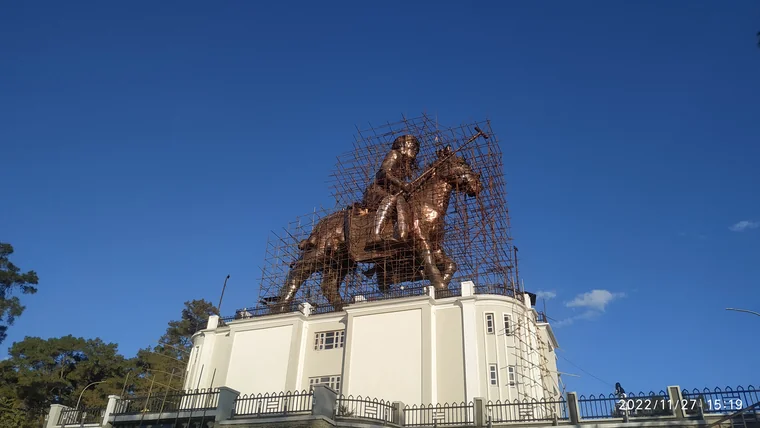
Heingang: Ibudhou Marjing
Marjing at Heingang is associated with polo’s local sacred tradition. Polo sticks and balls are offered in worship; distinguish the shrine from the neighbouring polo tourism complex.
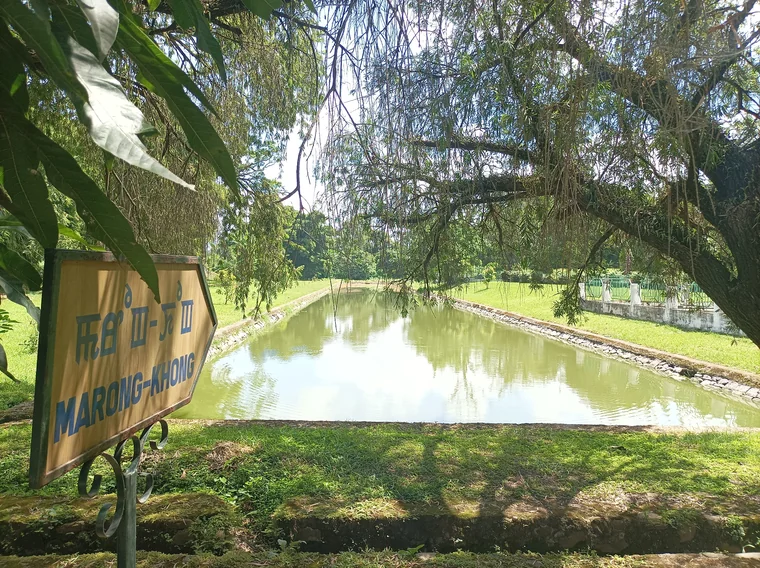
Kangla: sacred heritage complex
Kangla was Manipur’s seat of power until 1891 and is now a historic complex with sacred heritage. Old Govindajee remains and moats are among its features; plan a heritage visit rather than assuming one active temple.
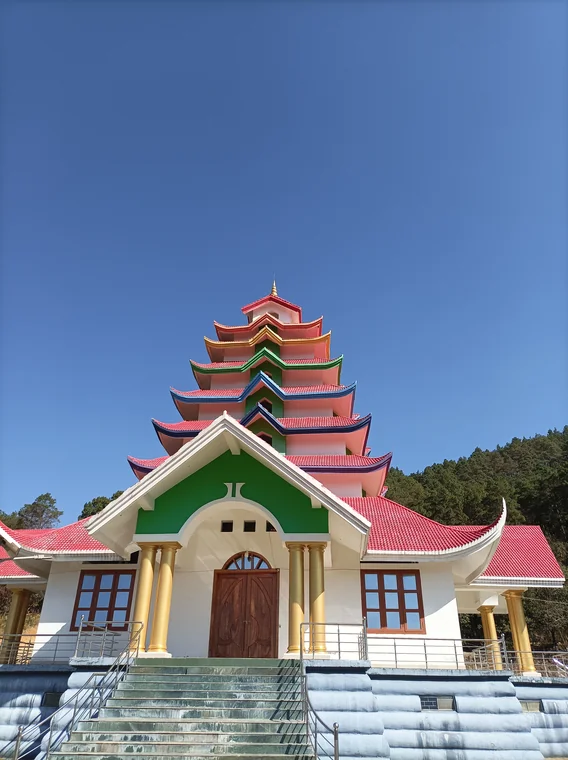
Sanamahi Kiyong
Sanamahi Kiyong in the Nongmaijing Hills honours the Meitei deity Lainingthou Sanamahi. It is a centre of the Sanamahi tradition; ask about the hill approach and ritual rules before visiting.
Andro: Panam Ningthou
Panam Ningthou in Andro preserves a community tradition of a continuously tended sacred fire. The compound also contains a historical inscribed stone; follow the custodians’ directions around the flame and inscription.
Khangabok / ThoubalKhangabok: Bungshibudon
Shri Bungshibudon stands at Khangabok in Thoubal district. It forms part of Manipur’s official spiritual circuit; schedule Kaina hill as a separate destination and confirm this temple’s worship hours.
Bishnupur / LamangdongBishnupur: historic Vishnu temple
The brick Vishnu temple at Lamangdong, or Bishnupur, is a protected monument associated with King Kyamba. Its conical form is distinctive; check monument access and any available worship separately.