Pilgrimage places in Uttarakhand
Explore 28 major sacred places: Char Dham, Haridwar, Rishikesh, Panch Prayag, Panch Kedar, Hemkund Sahib and Kumaon temples. Find devotional traditions, visitor planning, compact photographs, registration links and rail routes from five cities.
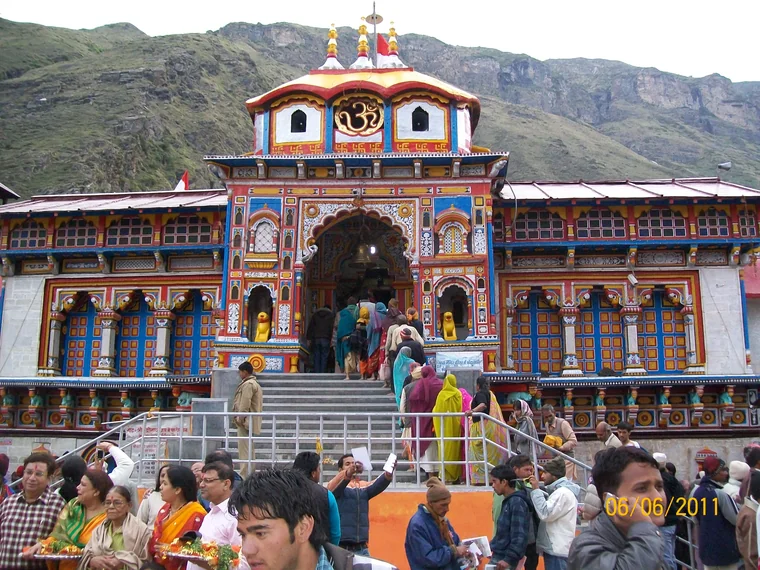
Badrinath Dham
Badrinath is a major Vishnu shrine beside the Alaknanda, in the Nar–Narayan mountain setting. It belongs to Uttarakhand’s Char Dham circuit. A motor road reaches the town, but the journey from Haridwar needs separate mountain-travel days.
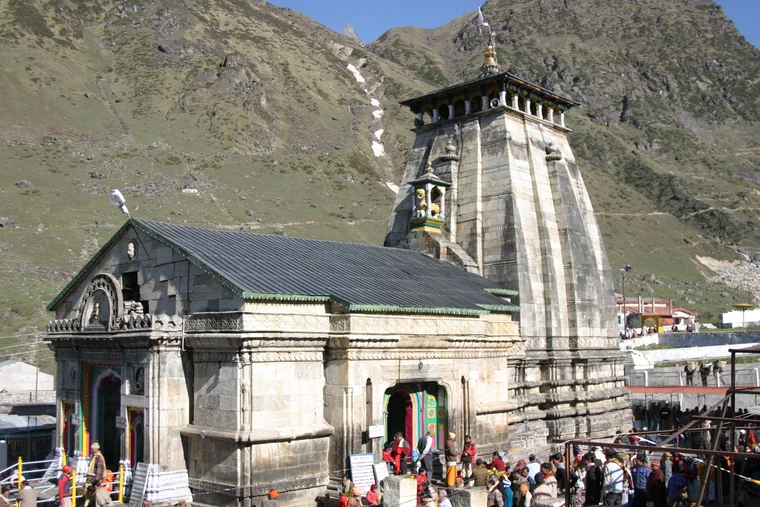
Kedarnath Dham
Kedarnath is a Shiva Jyotirlinga and a principal Panch Kedar shrine. Its Pandava story belongs to devotional tradition. Rail and ordinary road travel do not reach the temple; the ascent after Gaurikund needs its own preparation.
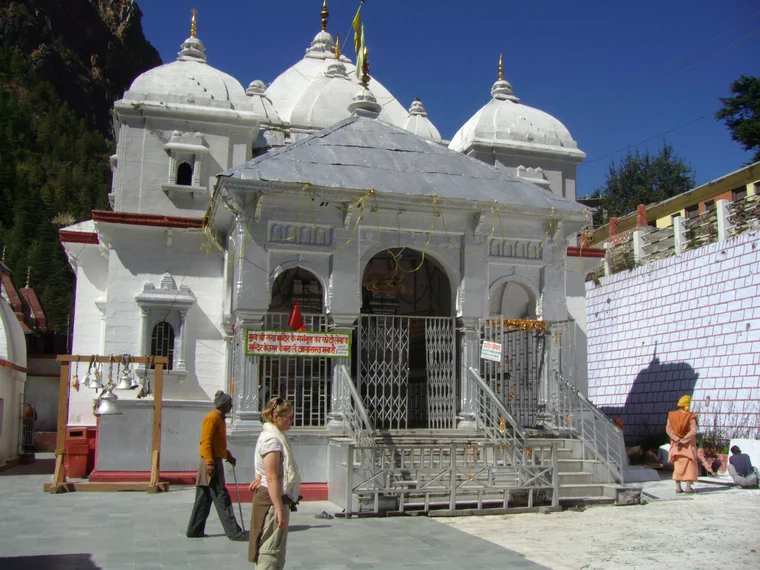
Gangotri Dham
Gangotri’s temple honours Goddess Ganga on the Bhagirathi riverbank, with Bhagirath’s penance remembered in devotional tradition. The temple is distinct from the glacier’s Gaumukh snout. A Gaumukh trek requires separate planning and current permissions.
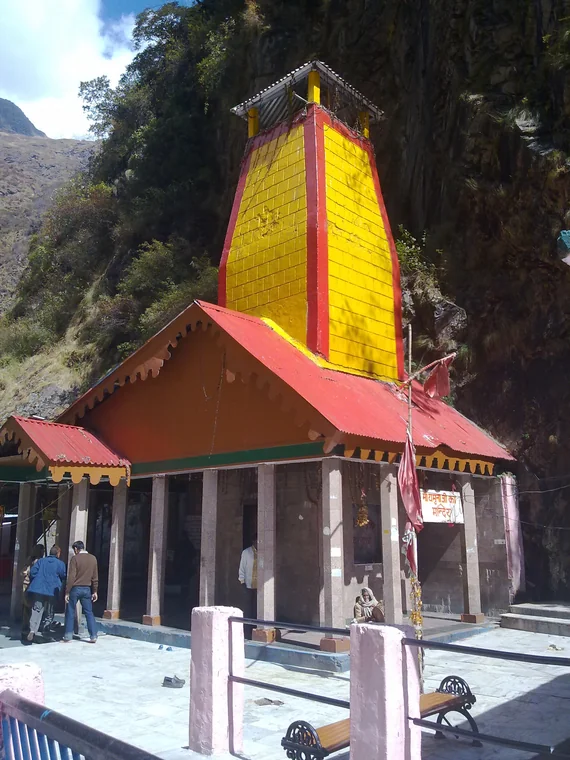
Yamunotri Dham
Yamunotri is the Char Dham shrine of Goddess Yamuna. Road transport reaches Janki Chatti, followed by an ascent. The temple is separate from the river’s actual glacial source; Saptarishi Kund is not a casual extension of a temple visit.
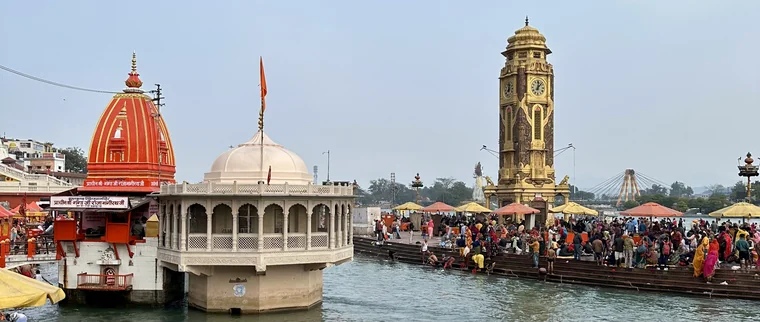
Har Ki Pauri, Haridwar
Har Ki Pauri is Haridwar’s renowned Ganga ghat, known for river worship, aarti and the bathing traditions of Brahmakund. Confirm current aarti arrangements and crowd controls, following authorised river-access guidance.
Haridwar / Bilwa hillMansa Devi, Haridwar
Mansa Devi’s shrine stands on Bilwa hill and is a major goddess temple of Haridwar. Offering wishes is a devotional practice. It is separate from Chandi Devi on Neel Parvat, so plan the two ascents independently.
Haridwar / Neel ParvatChandi Devi, Haridwar
Chandi Devi on Neel Parvat is a major centre of goddess worship in Haridwar. Traditions recall the goddess’s victories. Its hill base differs from Mansa Devi’s; check current ropeway service and return arrangements before travelling.
Kankhal / HaridwarDaksheshwar Mahadev, Kankhal
Daksheshwar Mahadev in Kankhal is associated with the devotional story of Shiva, Sati and Daksha’s sacrifice. The narrative explains the shrine’s religious significance. Plan a separate local journey from Har Ki Pauri and allow for Sawan crowds.
HaridwarMaya Devi, Haridwar
Maya Devi is an important temple in Haridwar’s older goddess-worship traditions. It is remembered with Mansa Devi and Chandi Devi in the local Siddhpeeth tradition. This city visit can be planned separately from the two hill ascents.
RishikeshTriveni Ghat, Rishikesh
Triveni Ghat in Rishikesh is known for Ganga aarti and river worship. Its sacred Triveni symbolism should not be confused with a visible meeting of three rivers here. It is distinct from Haridwar’s Har Ki Pauri; check local aarti arrangements.
Pauri Garhwal / near RishikeshNeelkanth Mahadev
Neelkanth Mahadev is a Shiva shrine in Pauri Garhwal near Rishikesh. Devotional tradition associates it with Shiva drinking the poison of the ocean-churning story. It needs a separate hill journey from the town’s ghats; check Sawan traffic and queue rules.
Tehri Garhwal / DevprayagDevprayag
At Devprayag the Alaknanda meets the Bhagirathi, and the downstream river is called the Ganga. This Panch Prayag site combines the sacred confluence with Raghunath temple. Ask about steps and current access to the riverbank.
RudraprayagRudraprayag
Rudraprayag is the Panch Prayag meeting of the Alaknanda and Mandakini, with a strong Shiva devotional association. The Kedarnath route branches from this town. Allow a separate confluence stop and ask about parking and safe riverbank access.
Chamoli / KarnaprayagKarnaprayag
Karnaprayag is the meeting of the Pindar and Alaknanda. Devotional traditions associate this Panch Prayag place with Karna. The town connects Garhwal and Kumaon road routes; use an authorised local approach for the confluence.
Chamoli / NandprayagNandprayag
Nandprayag joins the Nandakini with the Alaknanda. This Panch Prayag confluence lies along the Badrinath road corridor. Plan a distinct visitor stop and confirm riverbank access and water conditions locally, especially in rain.
Chamoli / near JoshimathVishnuprayag
Near Joshimath, Vishnuprayag is the Panch Prayag confluence of the Dhauliganga and Alaknanda, revered in Vishnu worship. Water in the deep gorge can be forceful. Use currently authorised viewing access and respect barriers.
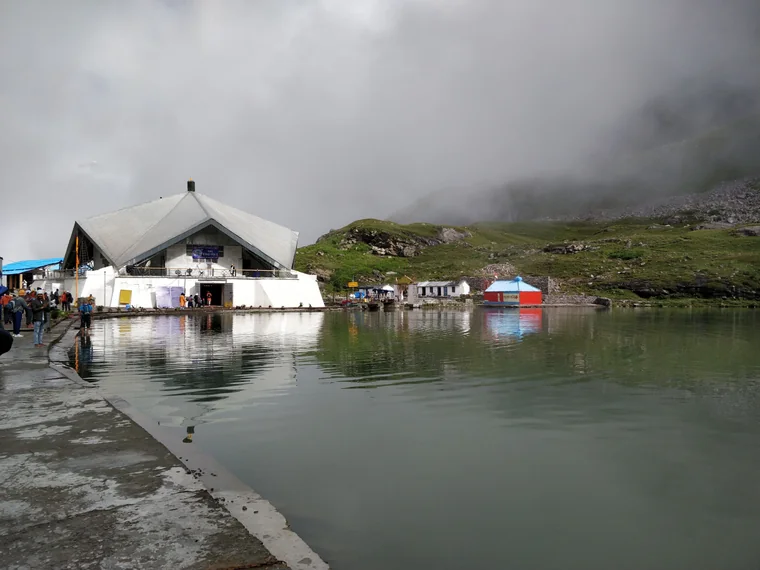
Hemkund Sahib
Hemkund Sahib is a major Sikh gurdwara beside a high Himalayan lake, associated in Sikh tradition with Guru Gobind Singh’s meditation. The approach continues beyond Govindghat and Ghangaria on foot. Do not plan to stay overnight at the upper sanctuary.
Rudraprayag / ChoptaTungnath
Tungnath is a Panch Kedar Shiva temple above Chopta, associated in tradition with Shiva’s arms. The temple requires an uphill trek. Continuing to Chandrashila is a separate optional ascent, not a necessary part of darshan.
Chamoli / Gopeshwar–Sagar approachRudranath
Rudranath is a Panch Kedar shrine in Chamoli where Shiva’s face is worshipped in tradition. The Sagar–Gopeshwar approach is a substantial trek. Plan an experienced local guide and authorised overnight stops; this is not a drive-to-temple visit.
Rudraprayag / Ransi approachMadhyamaheshwar
Madhyamaheshwar is a Panch Kedar Shiva temple associated in tradition with worship of Shiva’s navel. The journey proceeds on foot beyond the Ukhimath–Ransi approach. Allow sufficient trek days and confirm permitted accommodation along the current route.
Chamoli / Urgam valleyKalpeshwar
Kalpeshwar in Urgam valley is the Panch Kedar shrine associated with Shiva’s locks. It is known for year-round worship, unlike the higher seasonal Panch Kedar shrines. Still confirm road conditions, the final walking approach and current temple access locally.
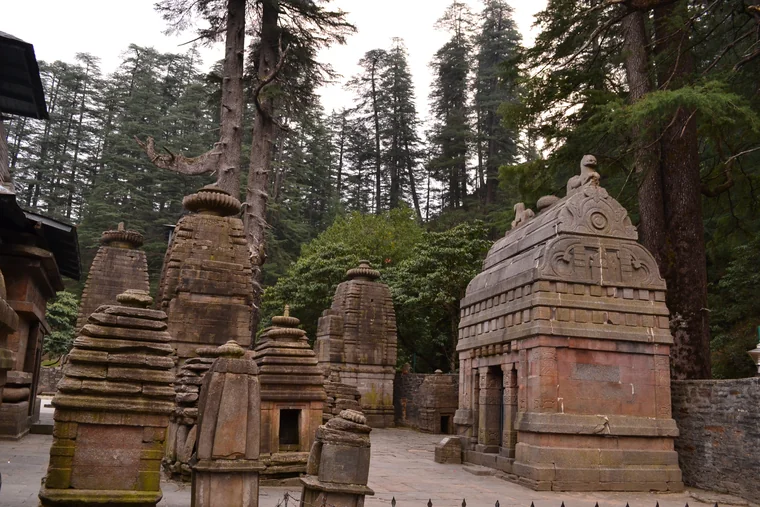
Jageshwar Dham
Jageshwar is an ancient cluster of Shiva temples among Kumaon’s deodars. Its small stone shrines bring together living worship and architectural heritage. Respect both sacred and protected areas, without touching sculptures or carvings.
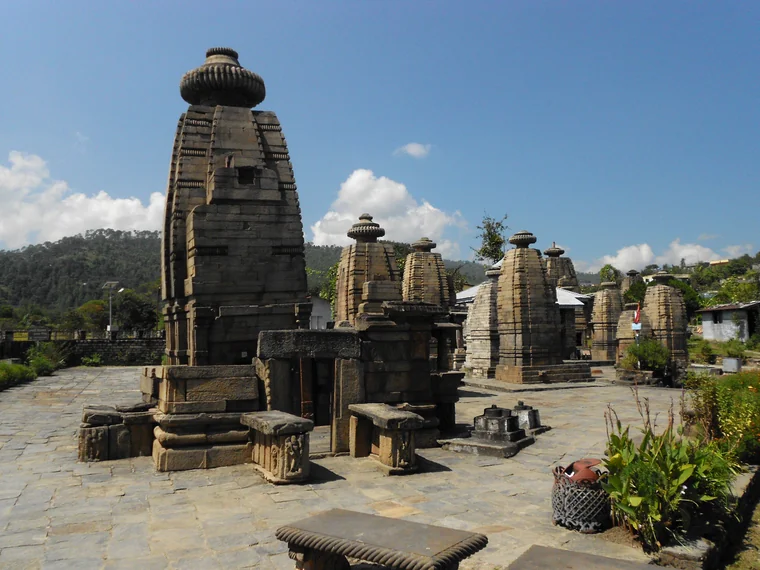
Baijnath, Kumaon
Baijnath’s ancient temple group lies in the Katyur valley of Bageshwar district, combining Shiva worship with Kumaon’s stone architecture. This is Baijnath in Uttarakhand, distinct from Baijnath in Himachal Pradesh and other Vaidyanath shrines.
Nainital / KumaonNaina Devi, Nainital
Naina Devi stands at the northern end of Naini Lake and is a principal shrine of Nainital. The story of Sati’s eyes belongs to Shakti devotional tradition. This temple is distinct from Shri Naina Devi in Himachal Pradesh.
Champawat / near TanakpurPurnagiri Devi
Purnagiri near Tanakpur is a major goddess shrine of Champawat, especially during the Chaitra pilgrimage. Trains reach Tanakpur, followed by road travel and an ascent. Check current mela access, registration and crowd instructions before visiting.
Almora / ChitaiChitai Golu Devta
Chitai’s Golu Devta temple near Almora is important in Kumaon’s folk devotion. Bells and written petitions accompany prayers for justice. Treat this as faith rather than a guaranteed outcome, and respect the privacy of other visitors’ petitions.
Almora / Kasar hillKasar Devi
Kasar Devi on a hill near Almora is known for goddess worship and quiet contemplation, with Swami Vivekananda’s visit also remembered. Respect the peaceful setting and use established walking paths rather than exposed hill edges.
Pithoragarh / near GangolihatPatal Bhuvaneshwar
Patal Bhuvaneshwar in Pithoragarh is a cave shrine associated with Shiva. Natural cave formations are interpreted through devotional stories. The narrow, dark entry is not easily accessible to everyone; ask about guided entry, mobility requirements and photography rules.