Pilgrimage places in Chhattisgarh
Explore 20 major sacred places, with devotional traditions, visitor guidance, accommodation planning, compact photographs and rail routes from five cities.
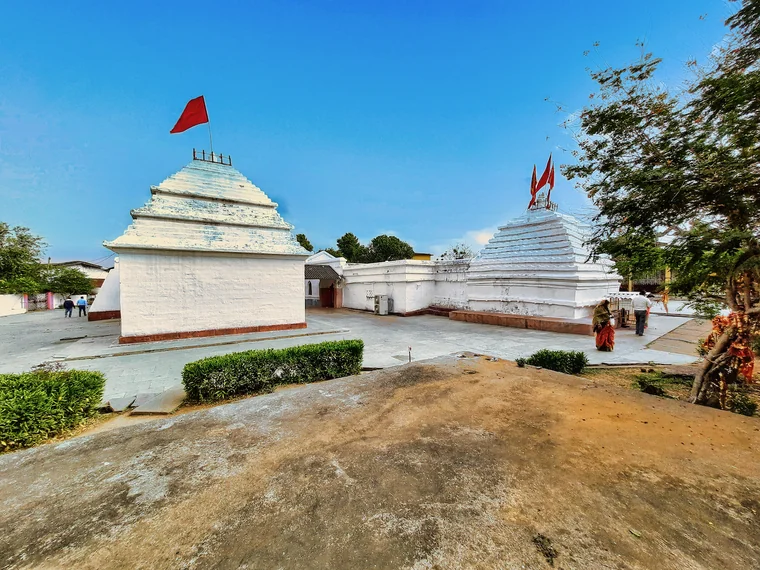
Danteshwari Temple, Dantewada
Danteshwari at Dantewada is a central goddess of Bastar’s devotional traditions and is revered as a Shakti shrine. Navratri and regional festivals are significant. Allow a separate travel day for the long road journey from Raipur.
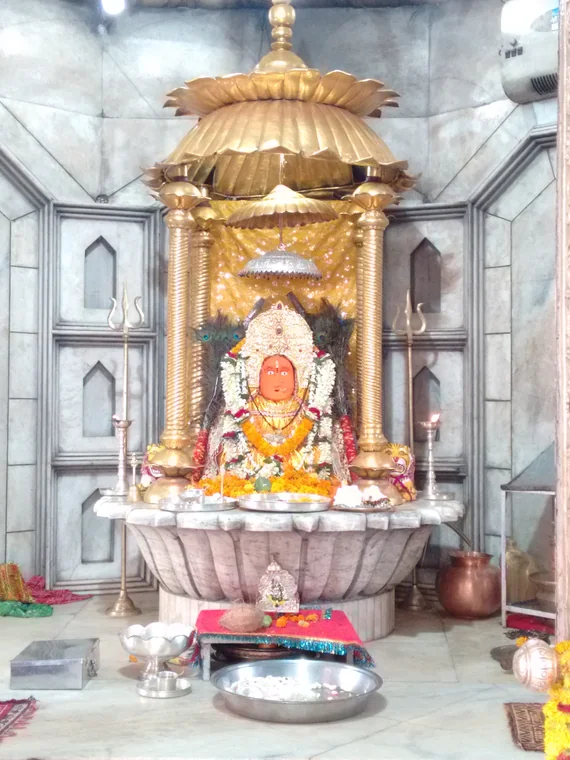
Maa Bamleshwari, Dongargarh
Dongargarh has the hilltop Badi Bamleshwari and a separate Chhoti Bamleshwari shrine below. Navratri draws major pilgrim gatherings. Plan the ascent and both visits, confirming ropeway operation before relying on it.
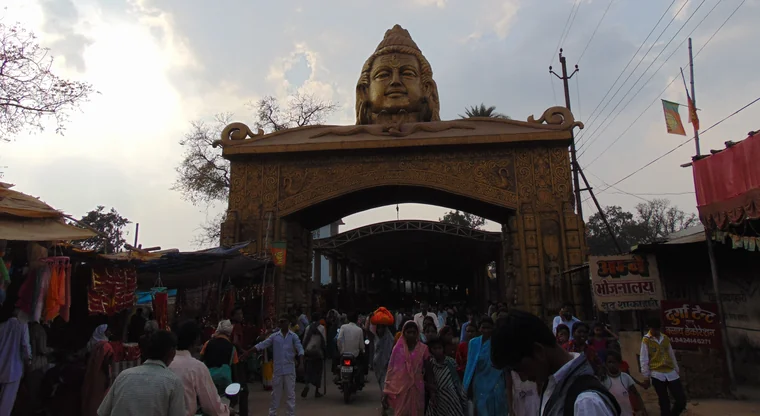
Mahamaya Devi, Ratanpur
Ratanpur’s Mahamaya shrine near Bilaspur anchors the old town’s goddess traditions, with special significance at Navratri. Plan local visits to nearby temples. This shrine is distinct from the Mahamaya temple in Ambikapur.
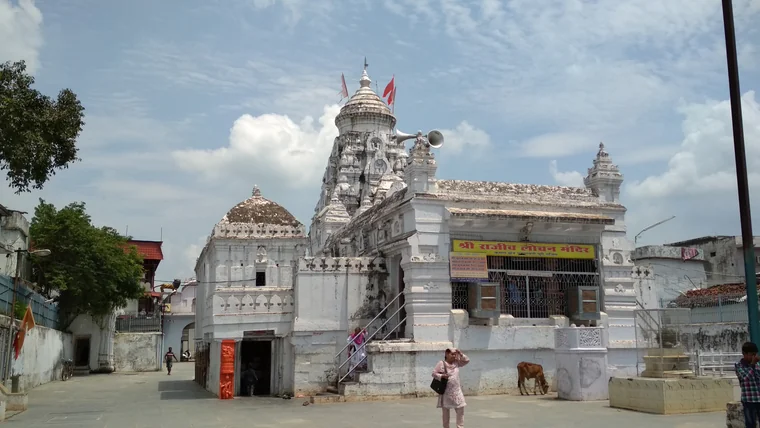
Rajim: Rajiv Lochan Vishnu Temple
Rajiv Lochan is Rajim’s Vishnu temple, within the pilgrimage town near the Mahanadi–Pairi–Sondhur confluence. Check the current Rajim Kumbh Kalp dates. Schedule this temple, Kuleshwar and the riverghats as separate stops.
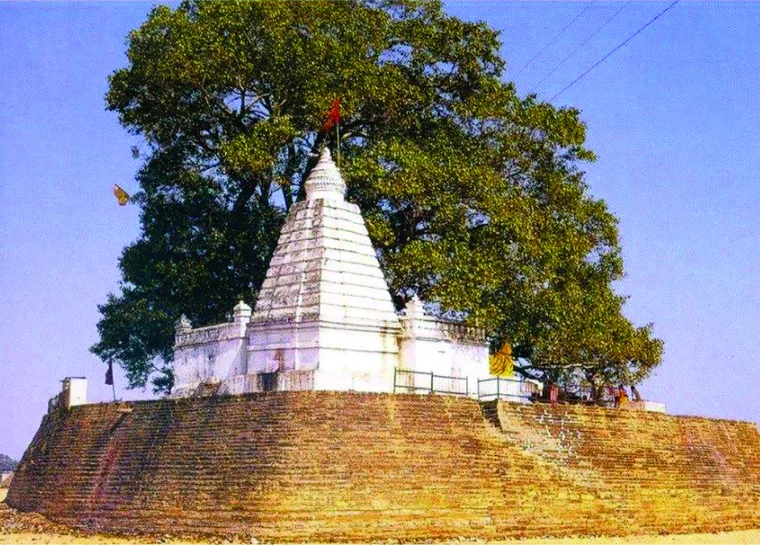
Kuleshwar Mahadev, Rajim
Kuleshwar Mahadev is a Shiva shrine at Rajim’s river confluence, separate from Rajiv Lochan Temple. Confirm water levels and the authorised access route locally. Do not use unsafe river crossings.
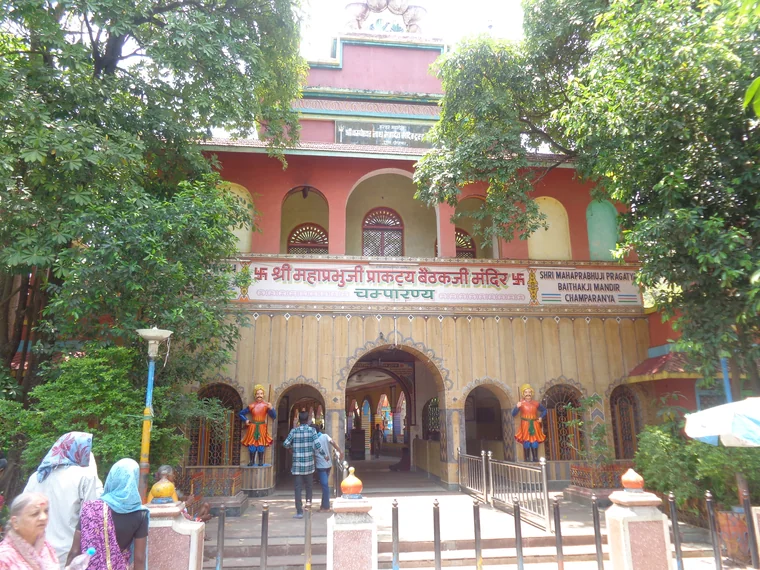
Champaranya: Vallabhacharya’s birthplace
Champaranya in Raipur district is a Vaishnava pilgrimage associated with Vallabhacharya’s birth and Pushtimarg seva traditions. Ask locally about darshan arrangements. Distinguish this Chhattisgarh destination from Champaran in Bihar.
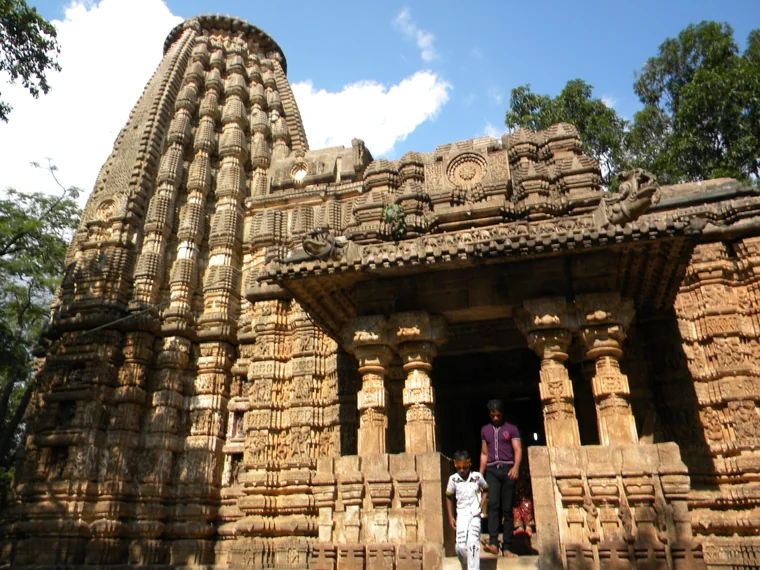
Bhoramdeo Shiva Temple, Kawardha
Bhoramdeo at Choura in Kabirdham is an ancient Shiva temple noted for carved stonework and its hill setting. Arrange onward transport from Kawardha, respect worship and avoid touching fragile carvings.
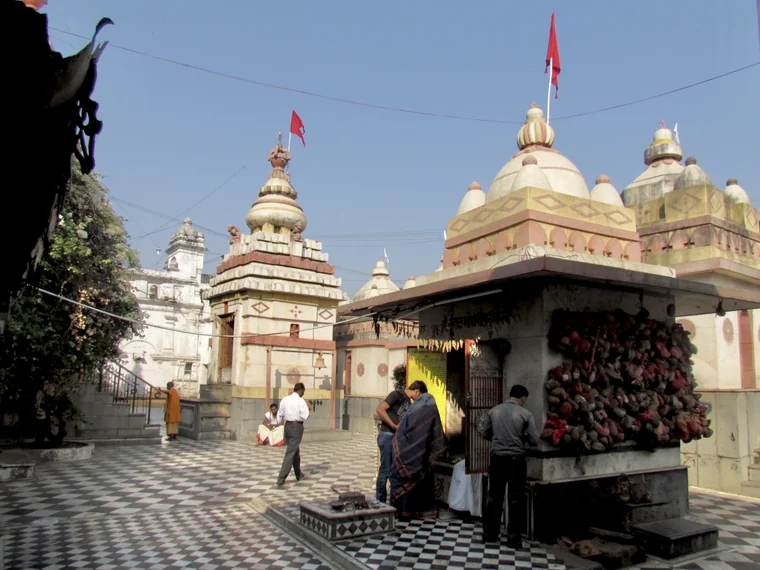
Dudhadhari Math and Rama Temple, Raipur
Raipur’s Dudhadhari temple belongs to Rama devotional traditions. Local legend links its name to Balbhadra Das, a saint said to live on milk. Plan around city traffic and worship times, respecting the monastery’s quiet.
Shivrinarayan / Janjgir-ChampaShivrinarayan: Lakshminarayan and Shabari traditions
Shivrinarayan on the Mahanadi is a Vaishnava pilgrimage centred on Lakshminarayan Temple. Local faith associates it with Shabari and Rama. Allow extra time around the Magh Purnima gathering and plan riverghats separately.
Chandrapur / Sakti districtChandrahasini Devi, Chandrapur
Chandrahasini Temple stands by the Mahanadi at Chandrapur in Chhattisgarh’s Sakti district, with important Navratri gatherings. Distinguish it from Chandrapur in Maharashtra. Confirm riverghat conditions and return transport before visiting.
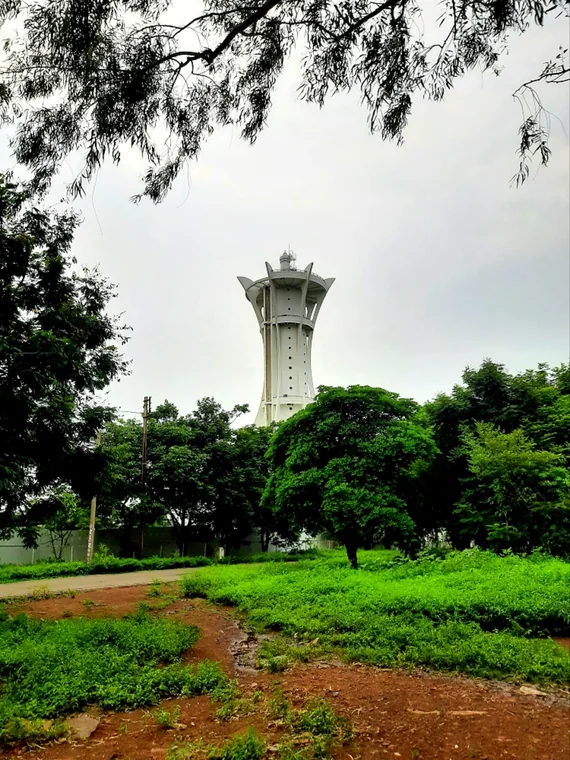
Girodpuri Dham: Guru Ghasidas and Jaitkhamb
Girodpuri is revered in Satnami tradition as Guru Ghasidas’s birthplace and place of austerity. Jaitkhamb, the main memorial and Charan Kund form pilgrimage stops. Confirm annual mela arrangements and tower access locally.
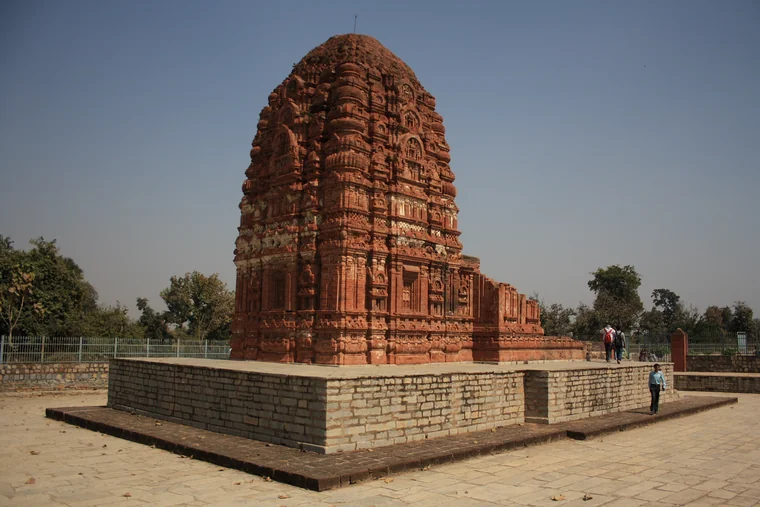
Sirpur: Lakshman Temple and Vishnu heritage
Sirpur’s Lakshman Temple preserves an ancient brick Vishnu shrine with carved architectural details. Treat it as an archaeological monument and confirm permitted access, rather than assuming daily worship. Distinguish it from Khajuraho’s Lakshmana Temple.
Sirpur / MahanadiGandheshwar Mahadev, Sirpur
Gandheshwar Mahadev represents Sirpur’s Shiva traditions by the Mahanadi. Schedule it separately from Lakshman Temple and the Buddhist monasteries. Ask about worship times and follow current riverbank access instructions.
Sirpur / MahasamundBuddhist viharas of Sirpur
Sirpur’s Buddhist heritage includes Anandaprabhu Kutir Vihara and Swastika Vihara. Monastery remains recall traditions of learning and practice. Plan a route between separate sites and ask about authorised guides and current access.
Malhar / BilaspurMalhar: Dindeshwari Temple and sacred heritage
Dindeshwari Temple is part of Malhar’s goddess worship and archaeological heritage. The area preserves evidence of Shaiva, Vaishnava and other religious traditions. Plan worship and monument visits separately; Malhar and Tala are distinct places.
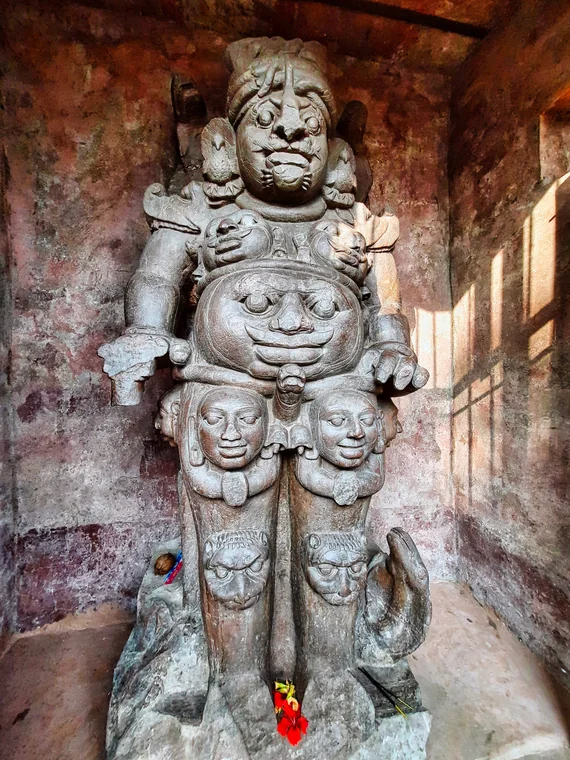
Tala: Devrani–Jethani Shiva temple remains
Tala is known for Devrani–Jethani temple remains and distinctive stone sculptures within its Shaiva heritage. Allow time to understand the archaeological setting. Keep off remains, avoid touching carvings and follow current access and photography guidance.
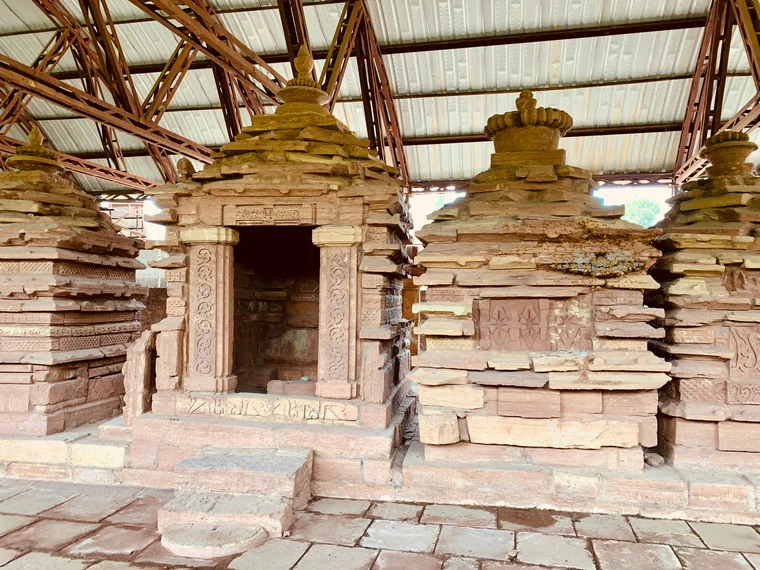
Madku Dweep: Shiva shrines and ancient heritage
Madku island in the Shivnath river preserves Shiva temples and excavated sculpture. Combine temple visits with an appreciation of its archaeological remains. Confirm river conditions and authorised island access; postpone if a safe route is unavailable.
Sihawa / DhamtariSihawa: Shringi Rishi ashram and Mahanadi source
Sihawa’s hill ashram in Dhamtari district is associated with Shringi Rishi traditions and the Mahanadi’s source. Plan a separate road journey through Dhamtari and Nagari, then confirm the hill path and return transport.
Ambikapur / SurgujaMahamaya Devi, Ambikapur
Ambikapur’s Mahamaya shrine stands on the city’s eastern hill, associated with the tradition behind its name. Chaitra and Sharad Navratri are significant. This Surguja temple is distinct from Ratanpur; confirm local access and transport.
Kudargarh / SurajpurKudargarh Devi Temple, Surajpur
Kudargarh in Surajpur district is a major shrine of Goddess Kudargarhi, especially at Chaitra Navratri. Ask about the wooded approach and steps, allowing daylight, water and return transport. Surajpur Road station is a separate road journey from the shrine.