Pilgrimage places in Maharashtra
Forty-four individual guides covering Warkari, Shiva, Devi, Datta, all eight Ashtavinayak temples and other religious places. This directory is not an exhaustive register of every shrine in Maharashtra.
Solapur
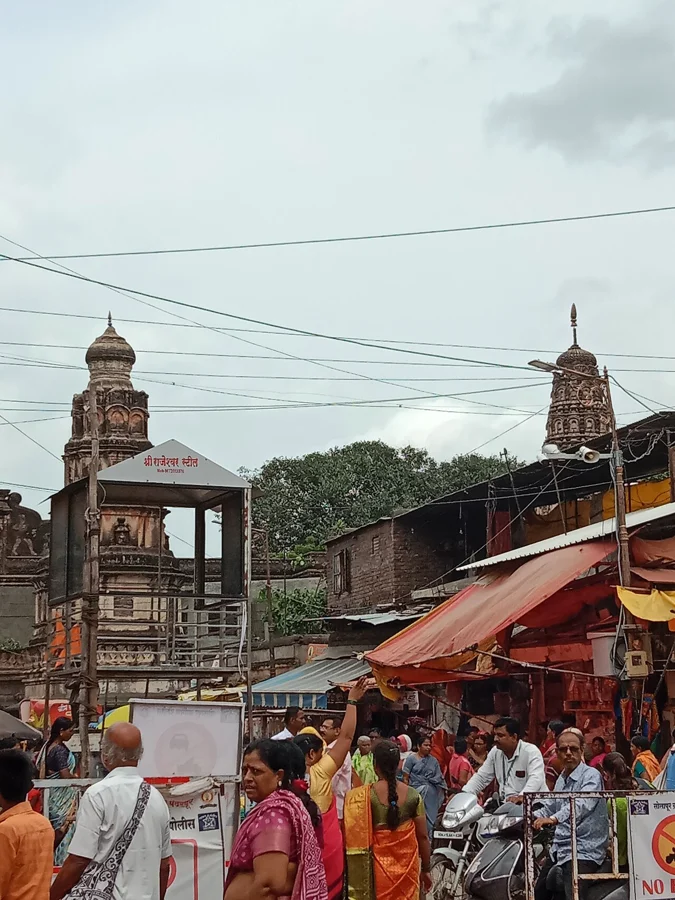
Pandharpur: Vitthal–Rukmini
Pandharpur on the Chandrabhaga is central to Warkari devotion; the tradition links Vitthal standing on a brick with Pundalik’s service.
Maharashtra · SolapurAkkalkot: Swami Samarth
Akkalkot is a Datta pilgrimage associated with Swami Samarth’s residence; allow separate time for Vatavruksha Temple and the samadhi math.
Pune
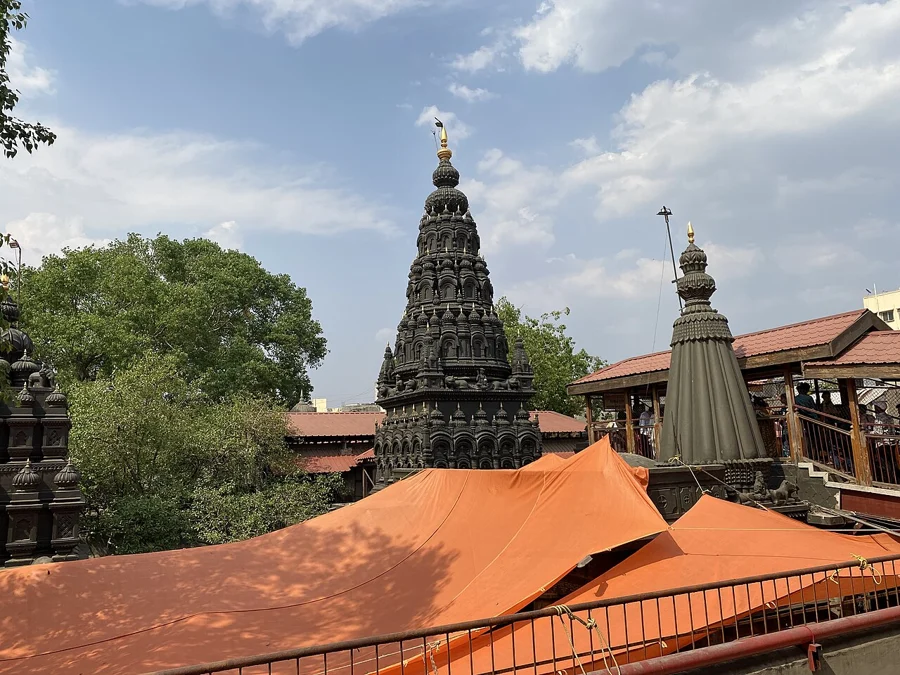
Alandi: Sant Dnyaneshwar samadhi
Alandi on the Indrayani is revered for Dnyaneshwar’s sanjeevan samadhi and the traditions of the Dnyaneshwari and Ashadhi palkhi.
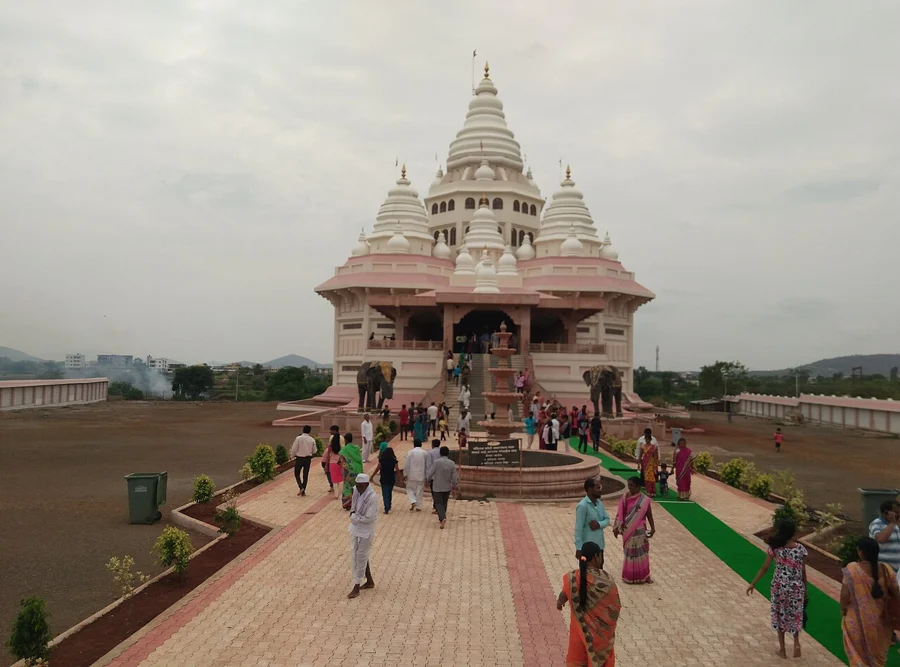
Dehu: Sant Tukaram
Dehu is associated with Tukaram’s life and work, the Indrayani, Vitthal worship, abhang poetry and the palkhi tradition.
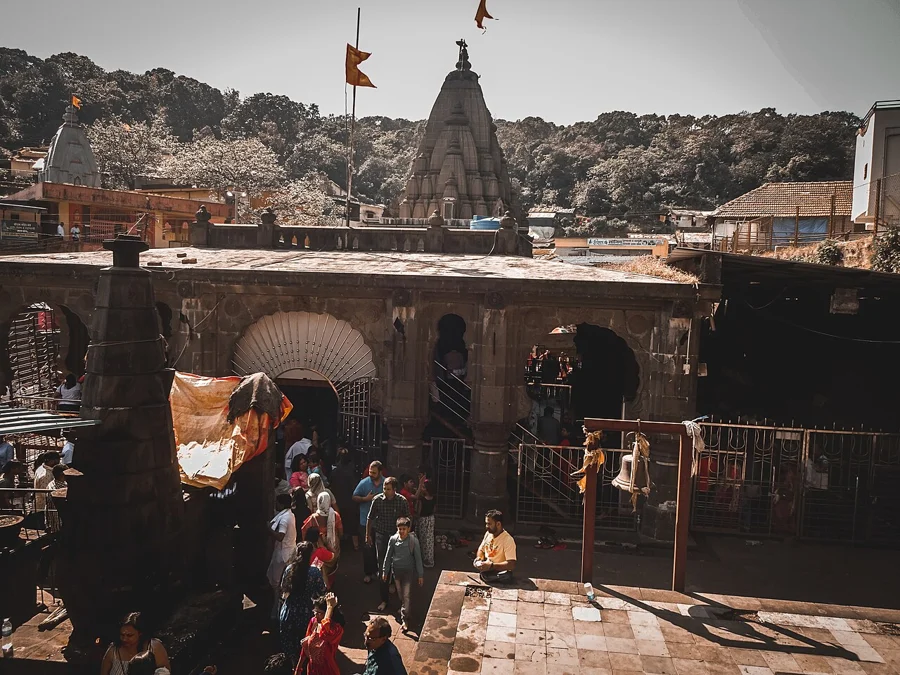
Bhimashankar: Shiva in the Sahyadris
Bhimashankar is a major Jyotirlinga pilgrimage in the Sahyadris, associated with the Bhima’s origin tradition and a surrounding forest landscape.
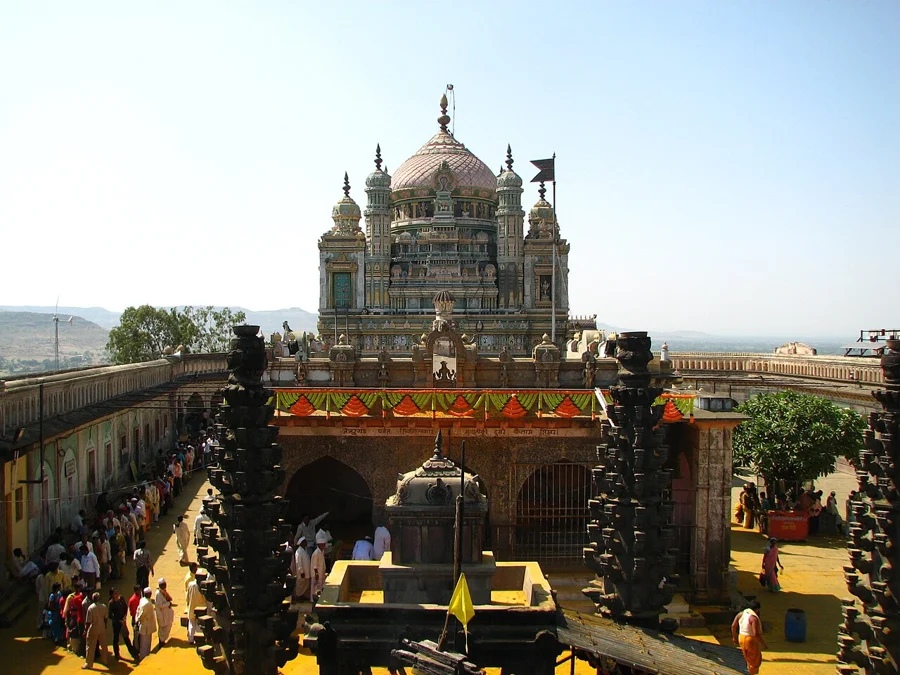
Jejuri: Khandoba
Jejuri’s hill shrine worships Khandoba as Malhari Martand; yellow turmeric offerings and the stepped climb are distinctive.
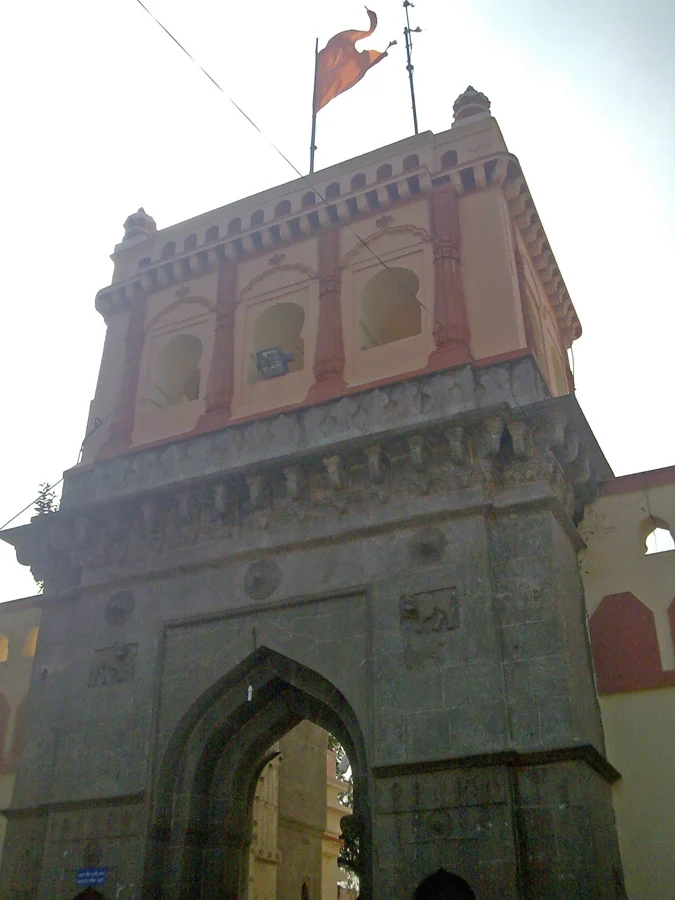
Morgaon: Mayureshwar
Mayureshwar is the traditional start and finish of the Ashtavinayak pilgrimage.
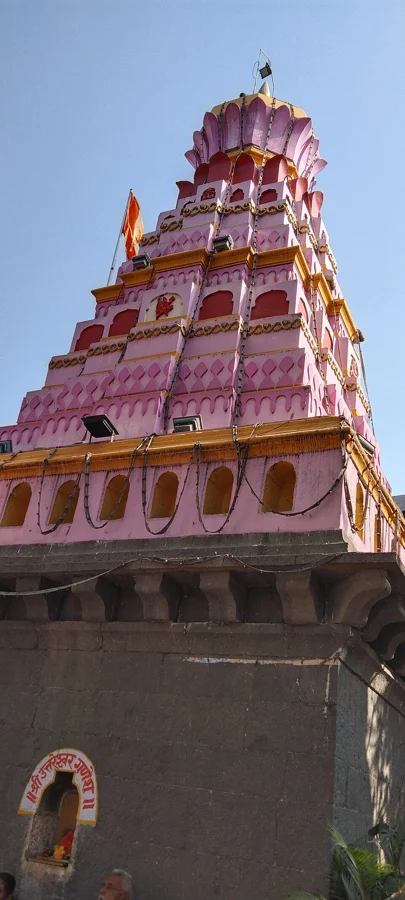
Theur: Chintamani
Theur east of Pune worships Chintamani Ganesh, associated in tradition with the sage Kapila.
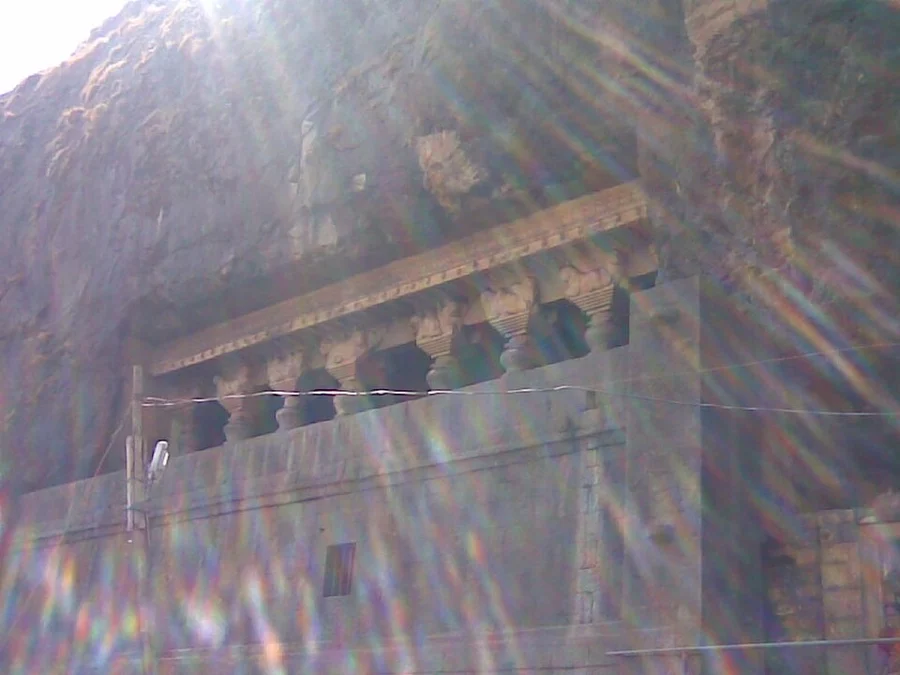
Lenyadri: Girijatmaj
Girijatmaj at Lenyadri is a cave shrine near Junnar reached by a stepped climb.
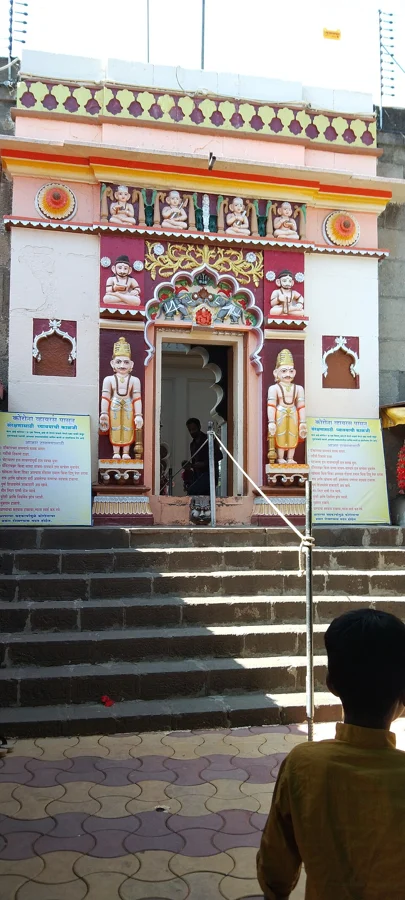
Ozar: Vighneshwar
Ozar on the Kukadi worships Vighneshwar, associated with the devotional account of Vighnasura.
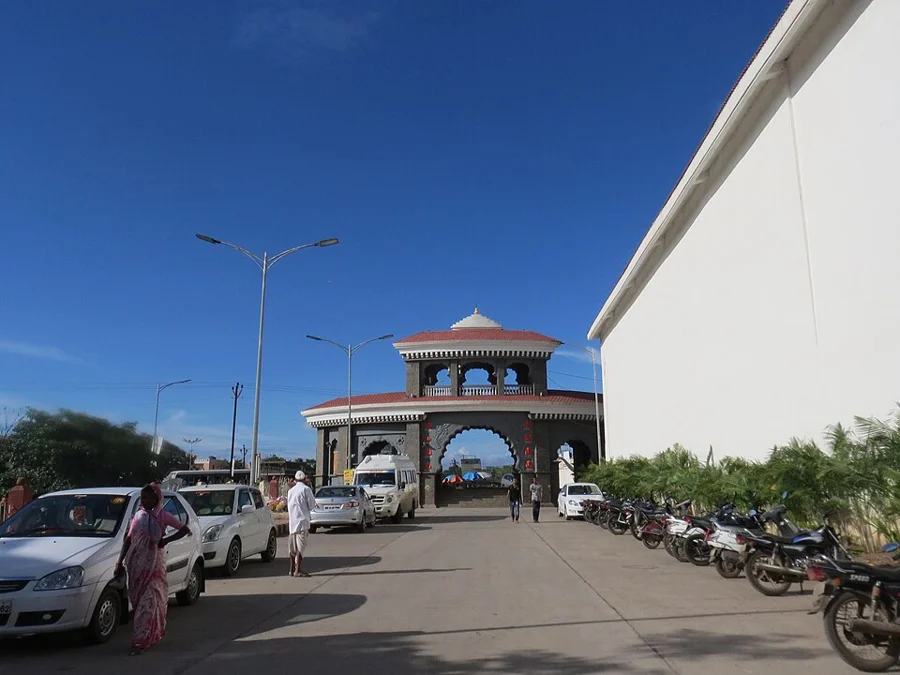
Ranjangaon: Mahaganapati
Ranjangaon on the Pune–Ahilyanagar road worships Mahaganapati, linked in tradition with the Tripurasura account.
Nashik
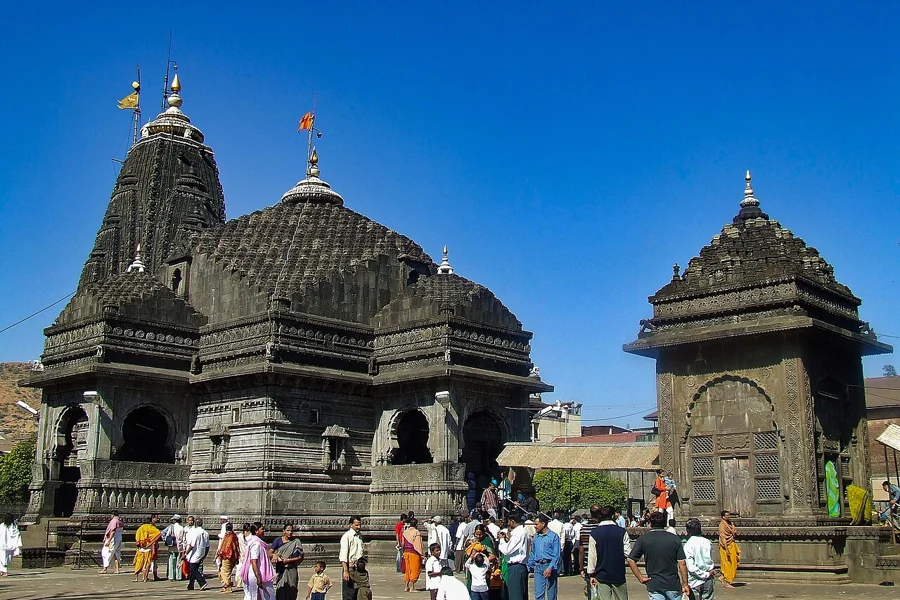
Trimbakeshwar: Jyotirlinga
Trimbakeshwar below Brahmagiri is a Jyotirlinga linked with the Godavari’s origin tradition; Kushavart and the main temple are separate stops.
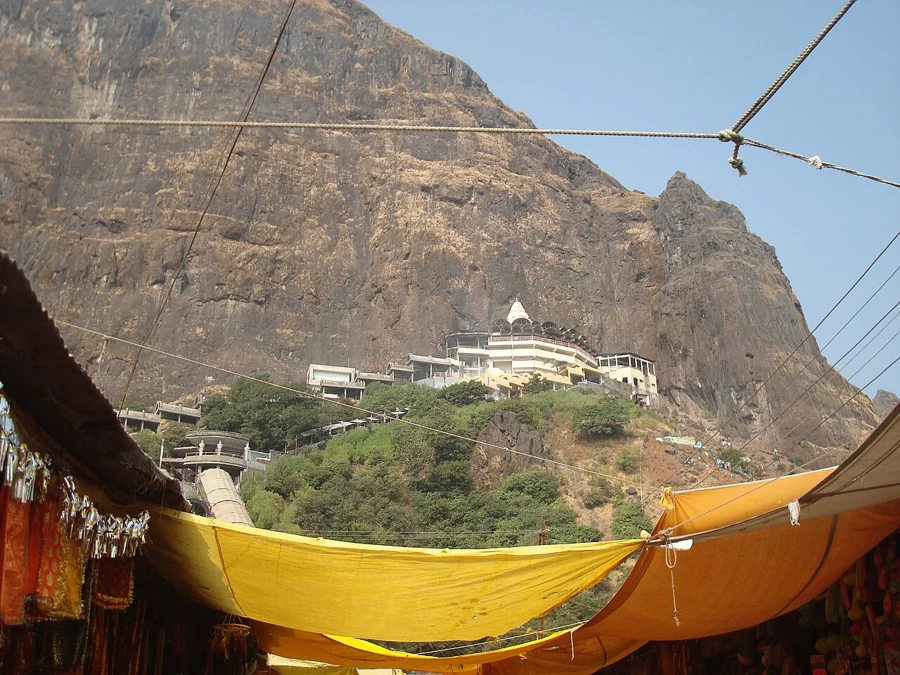
Vani: Saptashrungi Devi
Saptashrungigad in Nashik is regarded as the half Peeth in Maharashtra’s three-and-a-half Shakti Peeth tradition; Vani and the hill entry are distinct.
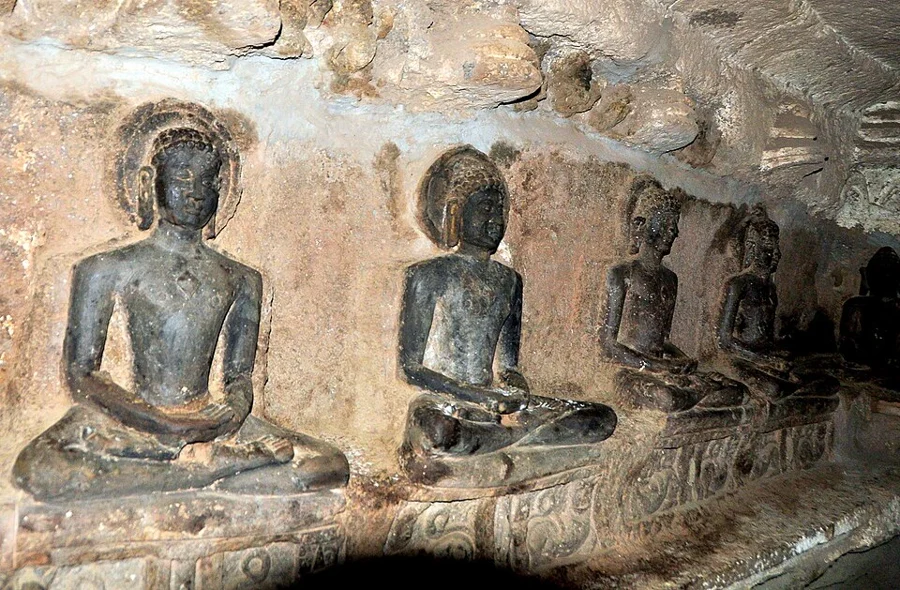
Mangi–Tungi: Jain Siddha Kshetra
Mangi–Tungi in Nashik is a twin-peaked Digambar Jain Siddha Kshetra, important for Tirthankara worship, contemplation and nonviolence.
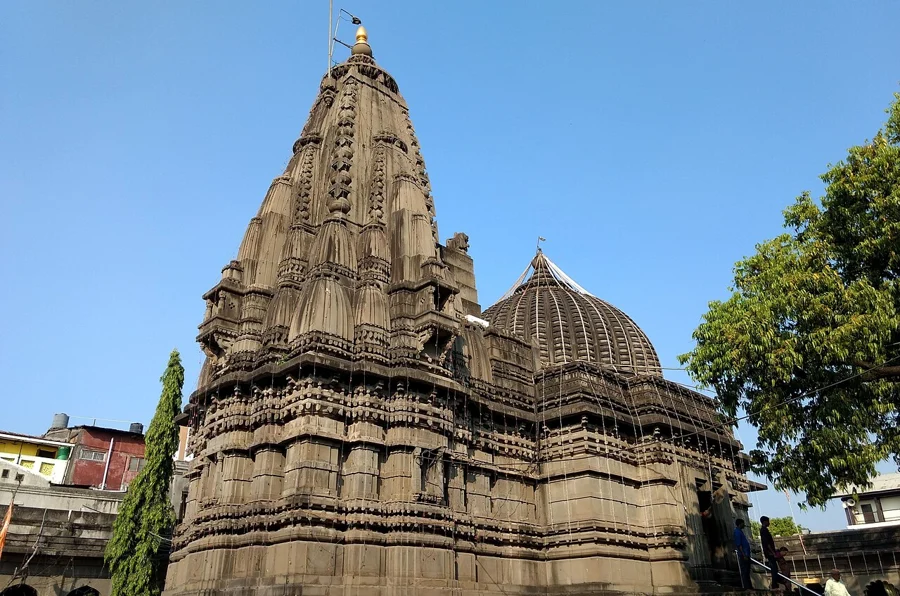
Panchvati: Kalaram Temple
Kalaram in Nashik’s Panchvati is known for its black stone Rama image; Ramkund and the Godavari ghats are separate stops.
Chhatrapati Sambhajinagar
Hingoli
Beed
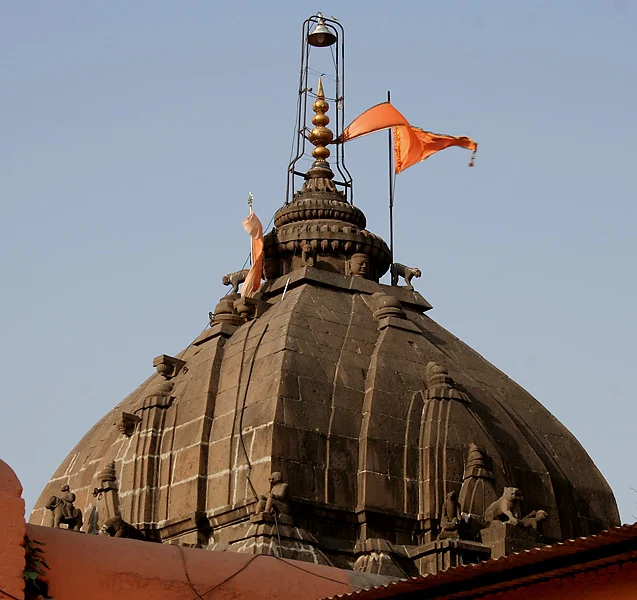
Parli Vaijnath
Parli Vaijnath in Beed belongs to Maharashtra’s Vaidyanath Jyotirlinga tradition; Deoghar and other places also have devotional identifications.
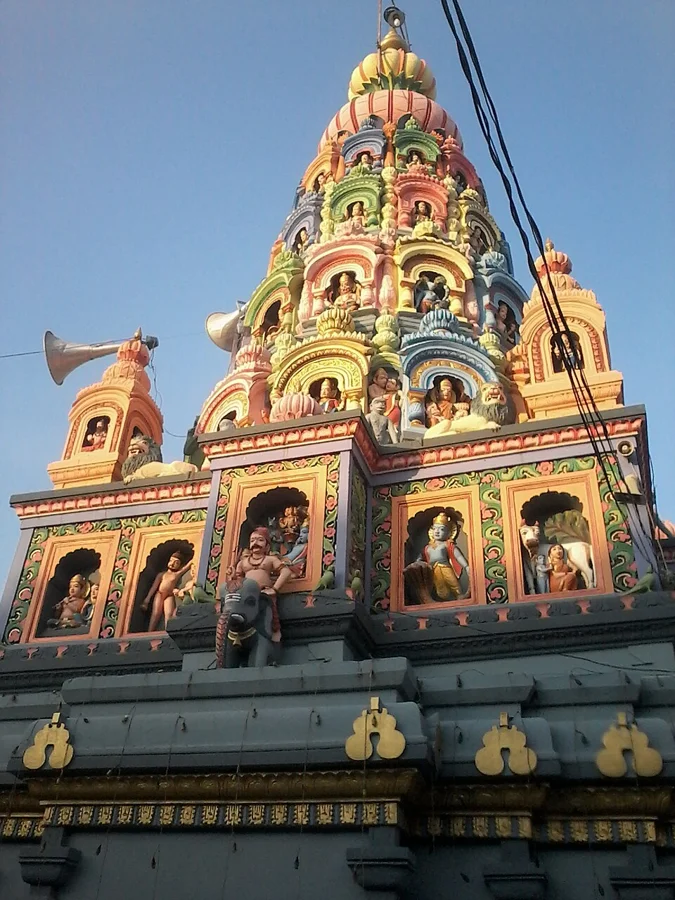
Ambajogai: Yogeshwari Devi
Ambajogai in Beed is Yogeshwari’s pilgrimage and a centre of literary heritage; Mukundraj and Dasopant memorials can be separate stops.
Kolhapur
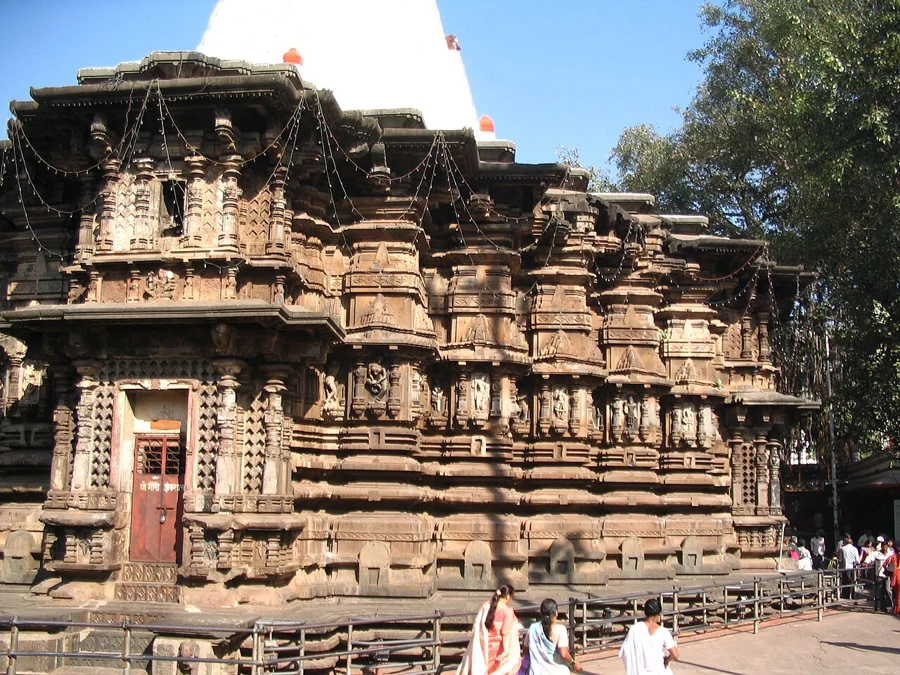
Kolhapur: Ambabai Mahalaxmi
Ambabai at Kolhapur is central to Maharashtra’s three-and-a-half Shakti Peeth tradition; Jyotiba hill is a separate pilgrimage from the city temple.
Maharashtra · KolhapurNarsobawadi: Datta padukas
Narsobawadi at the Krishna–Panchganga confluence is associated with Nrusimha Saraswati’s residence tradition and Datta paduka worship.
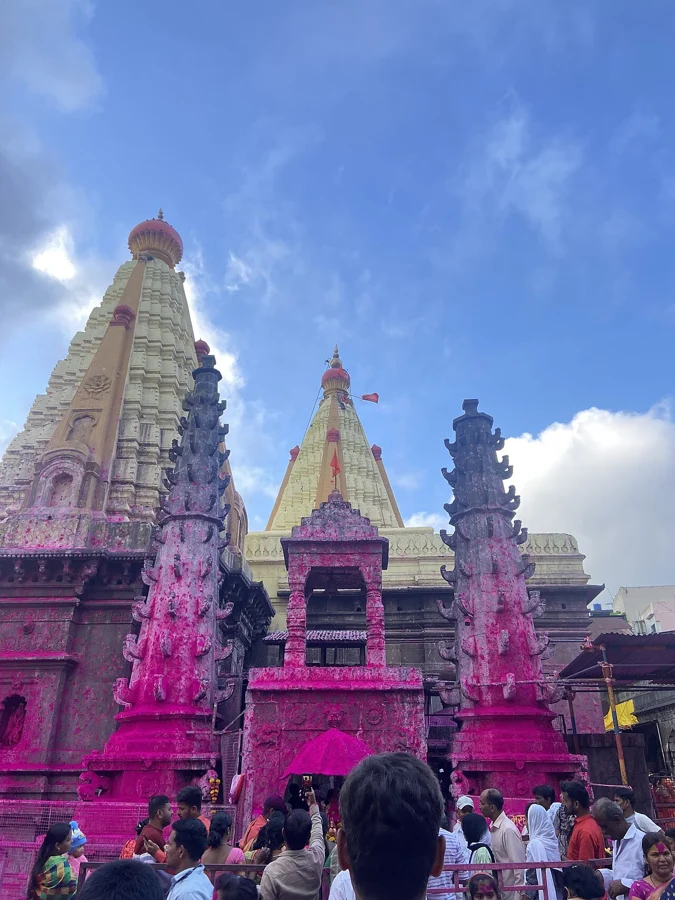
Jyotiba: Wadi Ratnagiri
Jyotiba hill at Wadi Ratnagiri near Kolhapur is known for its gulal pilgrimage; this is not Ratnagiri city on the Konkan coast.
Dharashiv
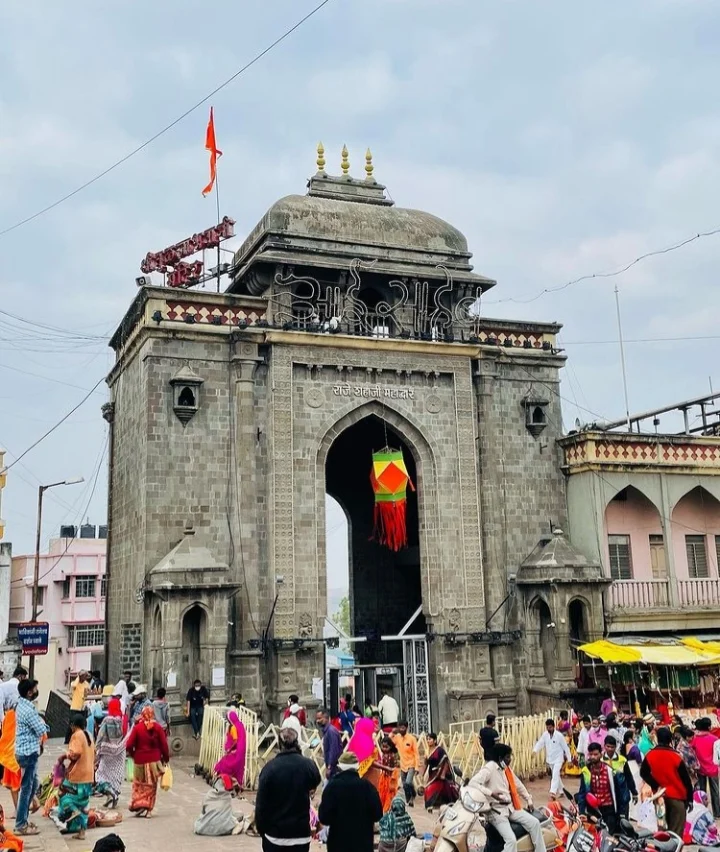
Nanded
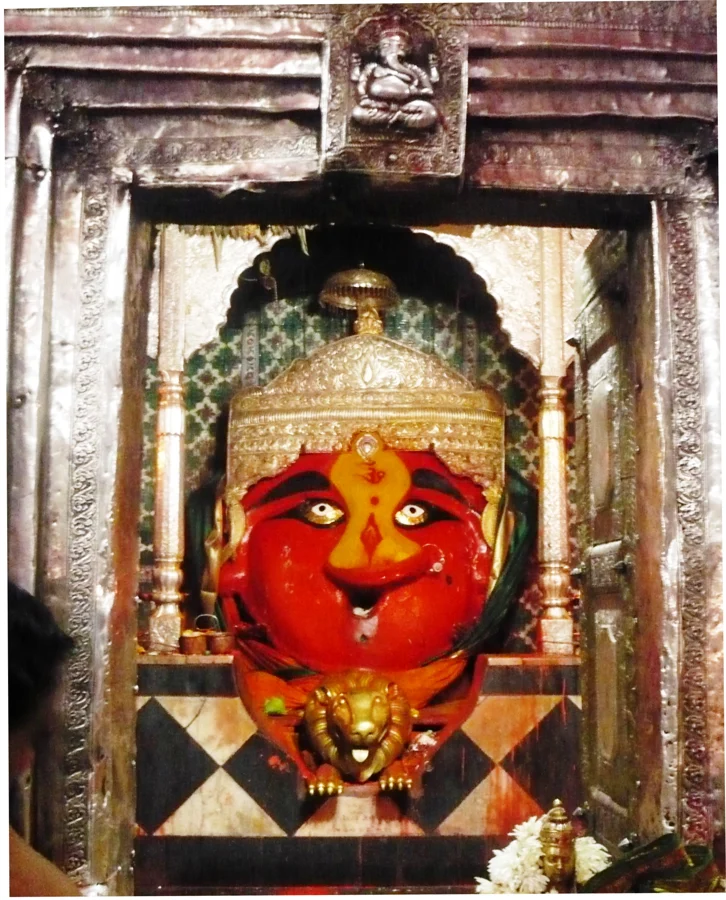
Mahur: Renuka Mata
Mahur in Nanded is revered as Renuka’s Shakti Peeth; Datta Shikhar, Anasuya and Renuka temples require separate hill visits.
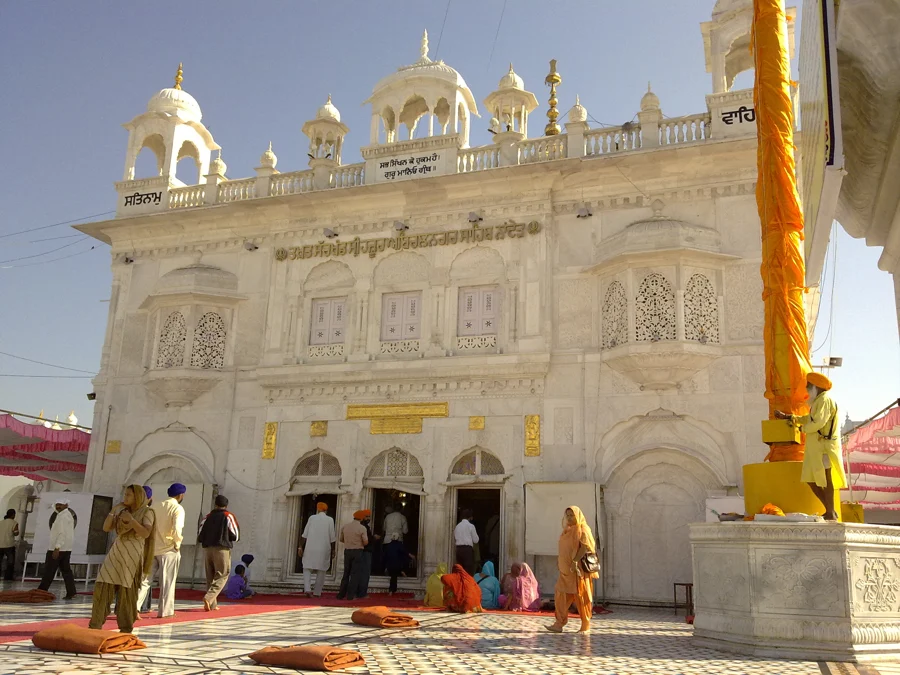
Nanded: Takht Hazur Sahib
Sachkhand Hazur Sahib is one of Sikhism’s five Takhts and is associated with Guru Gobind Singh’s final period in Nanded.
Ahilyanagar
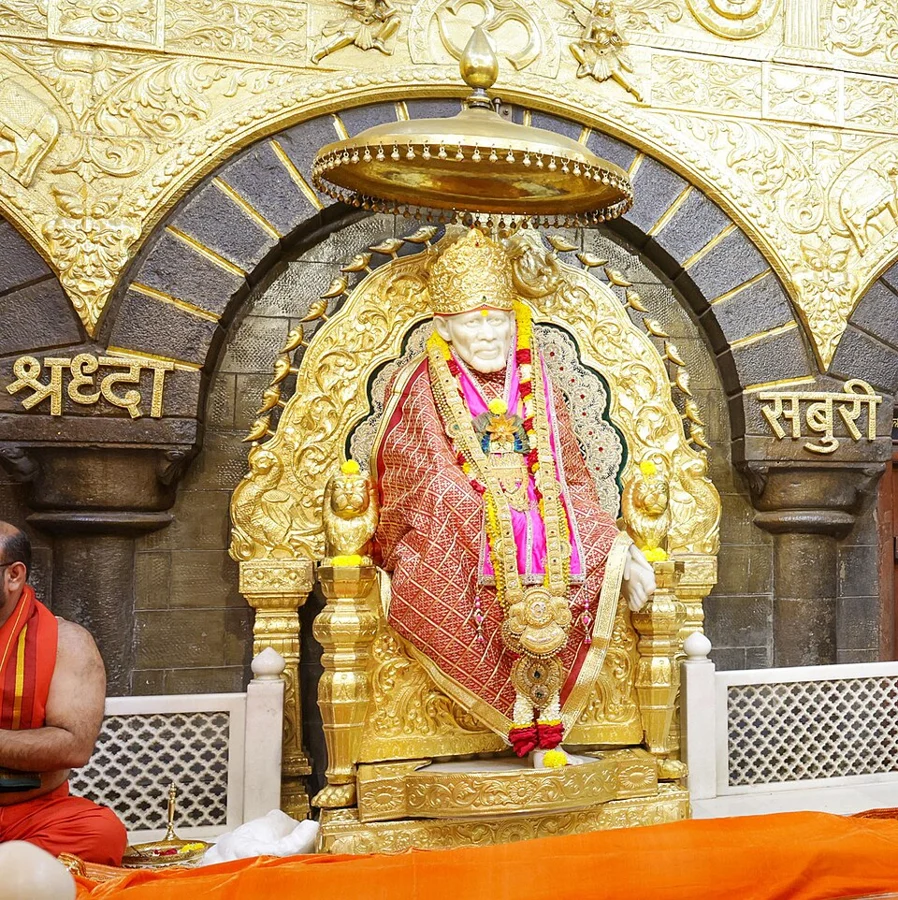
Shirdi: Sai Baba
Shirdi’s Samadhi Mandir commemorates Sai Baba; Dwarkamai and Chavadi are separate related stops. Faith, patience and service are important to the tradition.
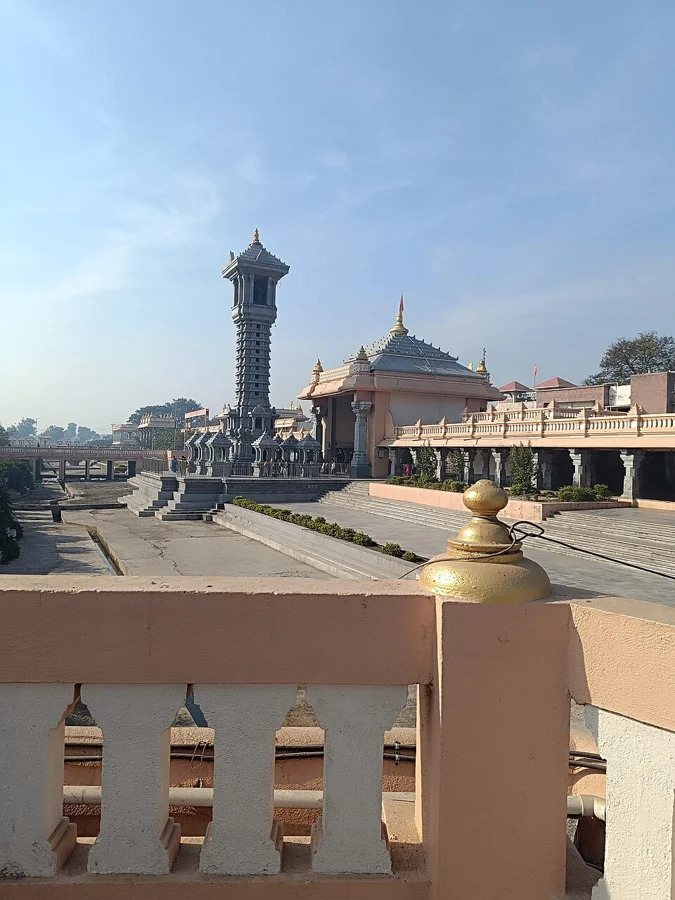
Shani Shingnapur
Shani Shingnapur worship centres on Shani’s stone image on an open platform; the village’s door tradition does not replace care of your belongings.
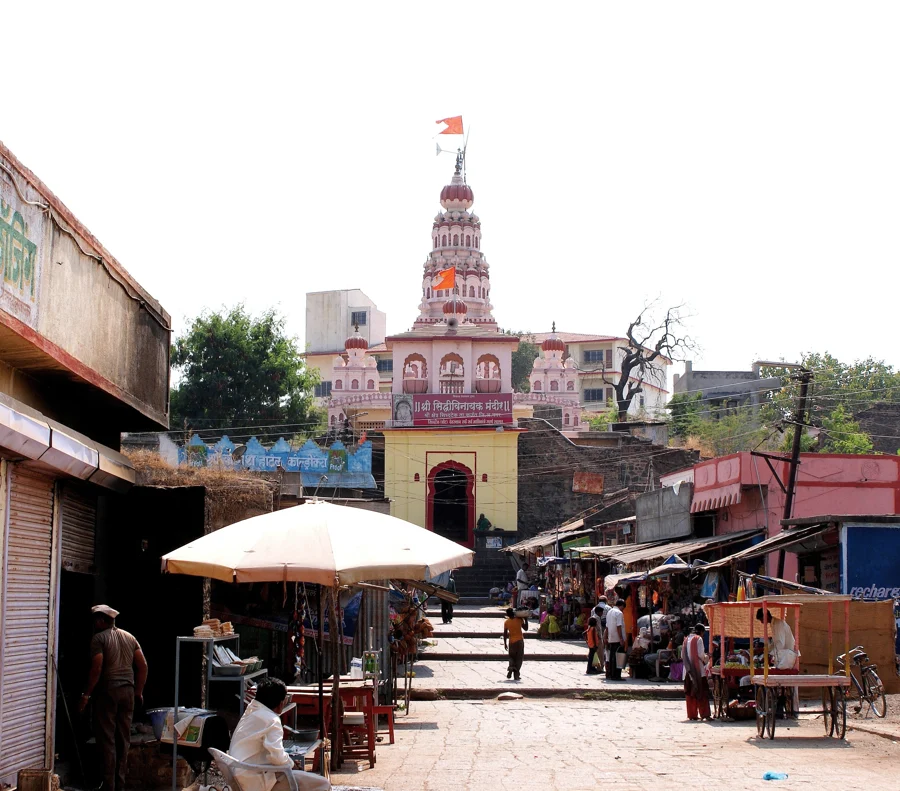
Siddhatek: Siddhivinayak
Siddhivinayak on the Bhima belongs to the Ganesh tradition of siddhi; Mumbai’s shrine is separate.
Buldhana
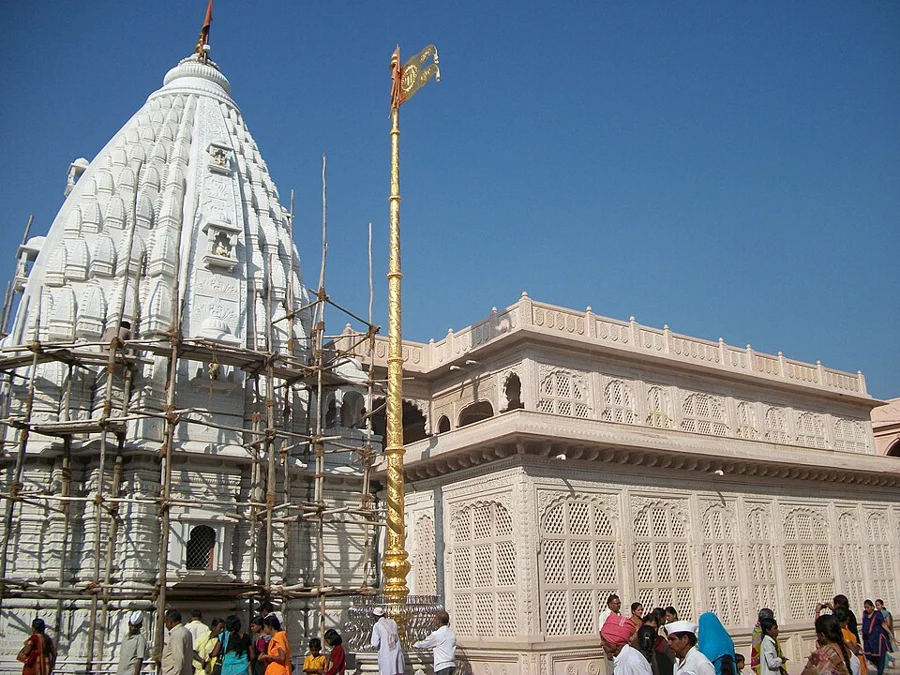
Shegaon: Gajanan Maharaj
Shegaon in Buldhana is known for Gajanan Maharaj’s samadhi temple, devotional singing and the Sansthan’s tradition of service.
Maharashtra · BuldhanaMehkar: Sharangdhar Balaji
Sharangdhar Balaji in Mehkar, Buldhana district, is a Vishnu shrine distinguished by its black-stone image.
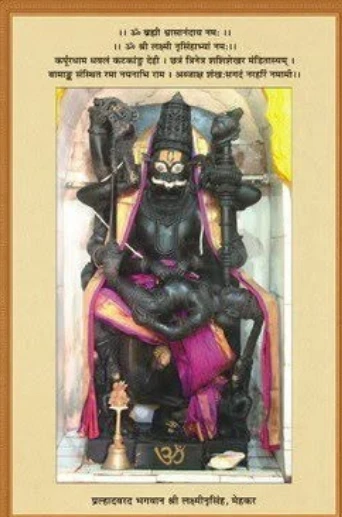
Mehkar: Lakshmi Nrusinh temple
Mehkar’s Lakshmi Nrusinh shrine honours Vishnu’s Narasimha form and the devotional story of Prahlad. Ask locally for the main temple; the old cave site in Mali Peth is separate.
Maharashtra · BuldhanaDeulgaon Raja: Balaji temple
Deulgaon Raja’s Balaji temple is in Buldhana district. Its Latamandap festival is a distinctive local tradition; check this year’s notices for dates.
Sangli
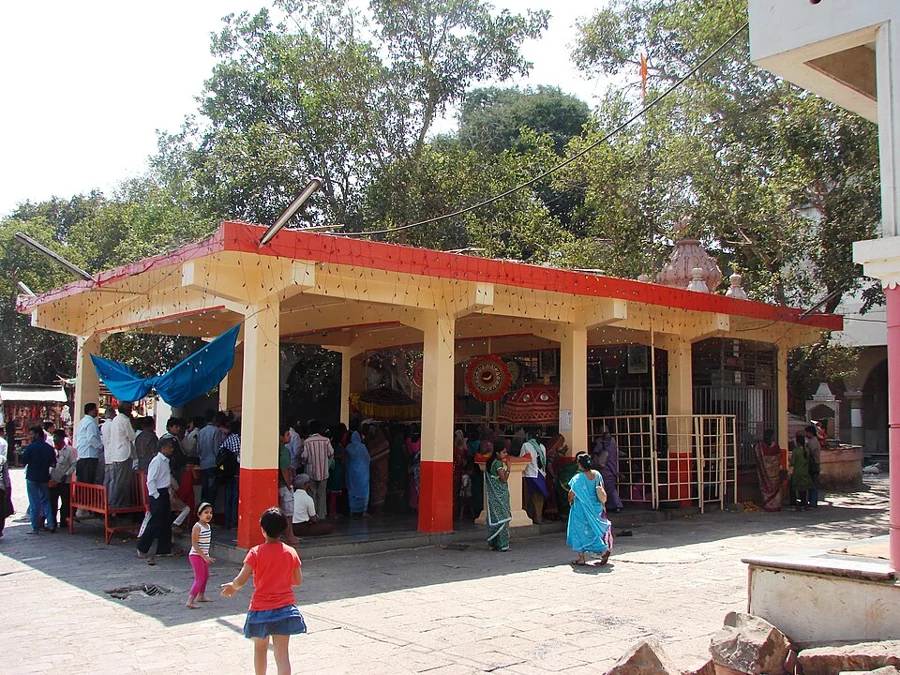
Washim
Karanja Lad: Nrusimha Saraswati birthplace
Karanja Lad in Washim is revered as Nrusimha Saraswati’s birthplace; the Gurumandir is a centre of the Datta birthplace pilgrimage.
Maharashtra · WashimWashim: Vyankatesh Balaji
Washim’s Vyankatesh Balaji is an old town shrine. The nearby Dev Talav is associated with its historic setting; allow time for both worship and the surroundings.
Ratnagiri
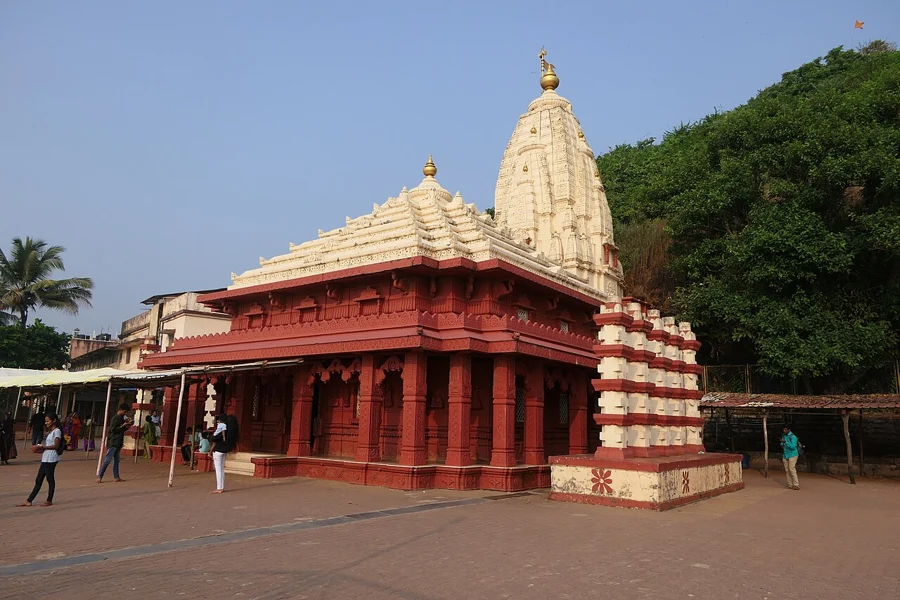
Ganpatipule: coastal Ganesh pilgrimage
Ganpatipule in Ratnagiri is a Konkan shrine in the self-manifested Ganesh tradition; plan temple worship and beach time separately and safely.
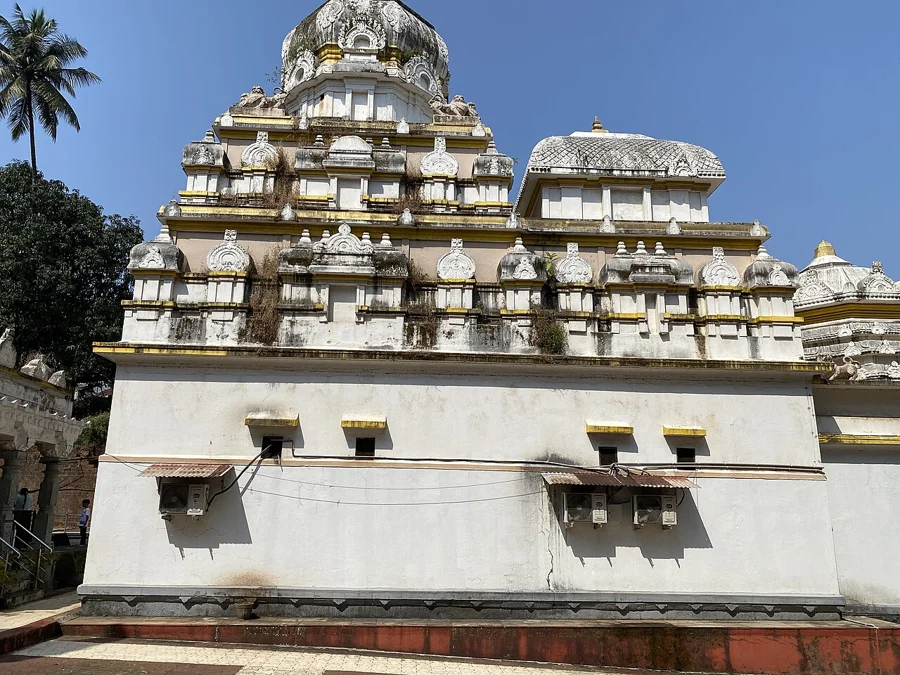
Chiplun: Parashuram Temple
Parashuram Temple near Chiplun belongs to Konkan’s Parashuram tradition, with Banaganga and the temple precinct as related features.
Raigad
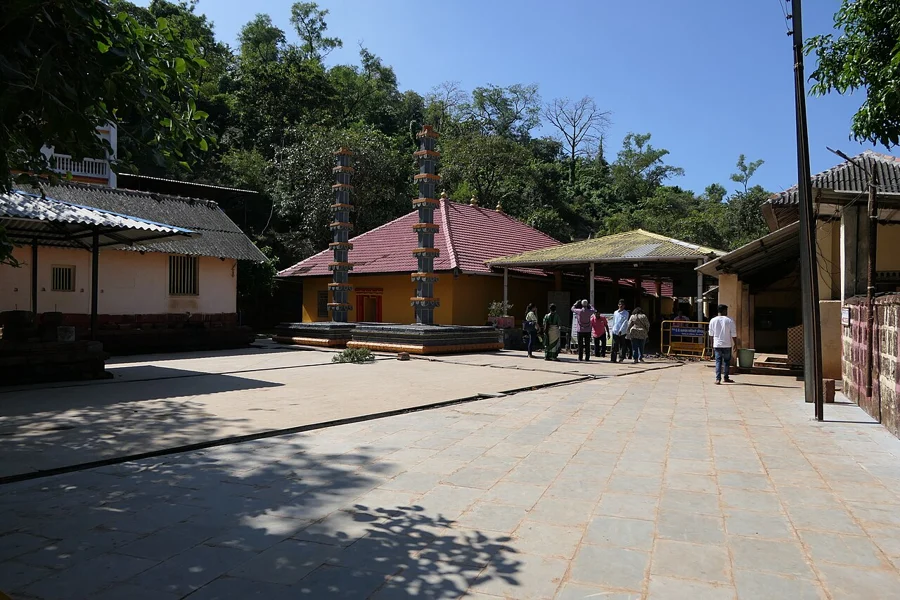
Harihareshwar: Shiva and Kalbhairav
Harihareshwar in Raigad is a coastal Shiva pilgrimage associated with Kalbhairav worship and a rocky coastal circumambulation route.
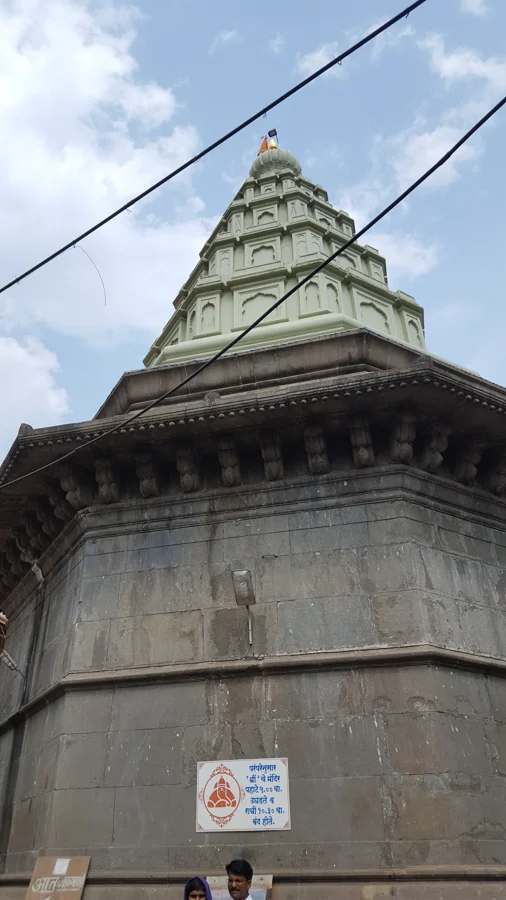
Pali: Ballaleshwar
Ballaleshwar at Pali in Raigad is associated with the devotee Ballal, distinct from Pali city in Rajasthan.
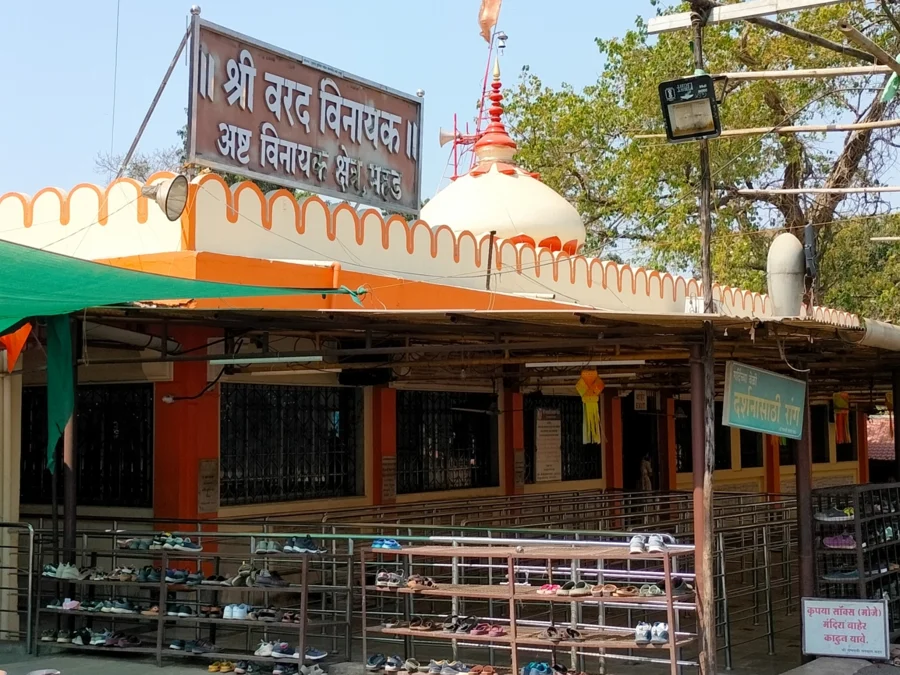
Mahad: Varadvinayak
Varadvinayak’s Mahad village is near Khalapur–Khopoli, not Mahad town on the Savitri River.
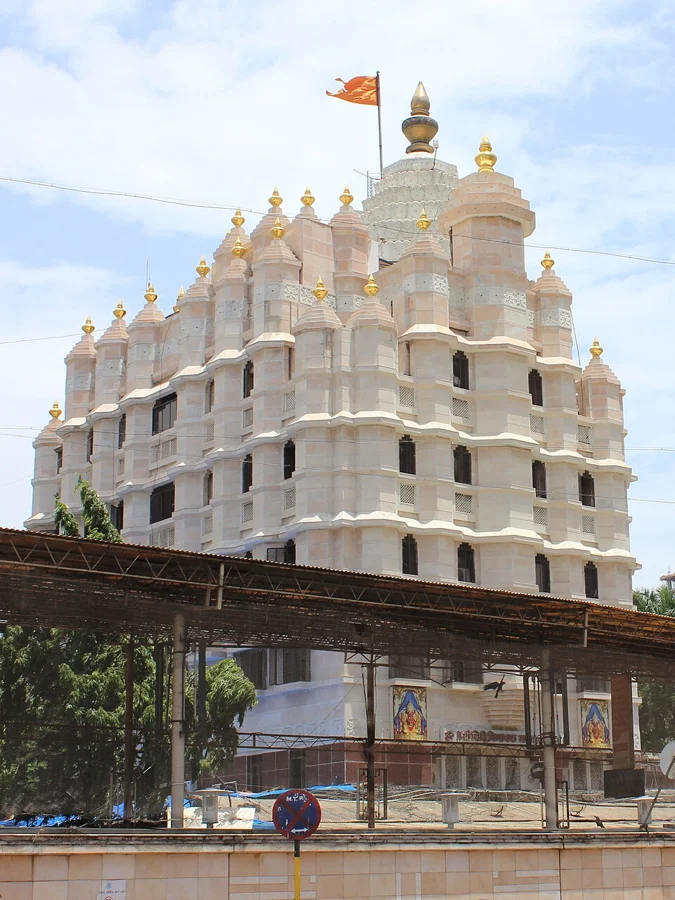
Mumbai
Satara
Nagpur
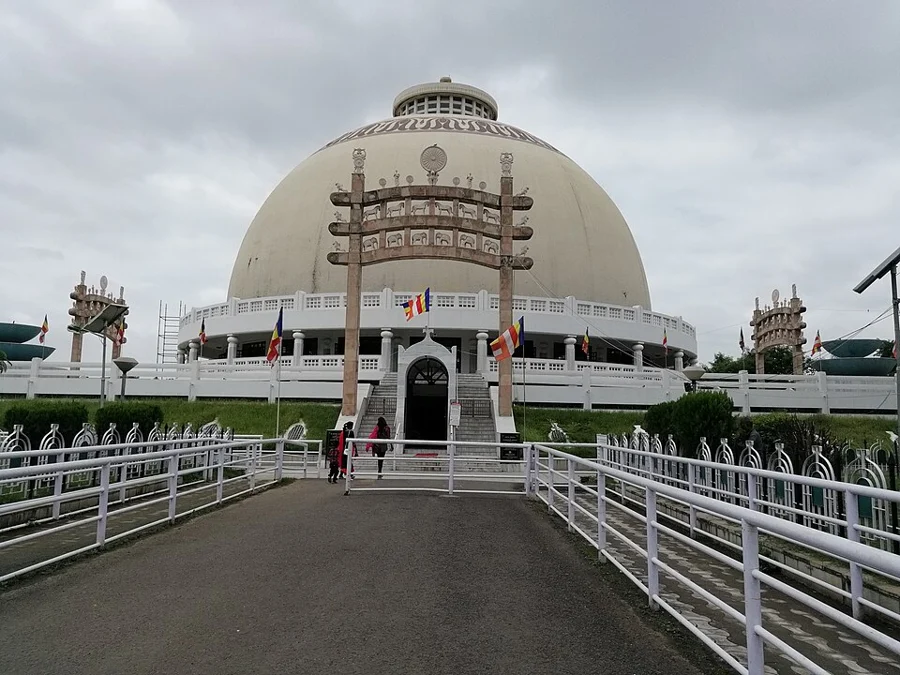
Nagpur: Deekshabhoomi
At Deekshabhoomi, Dr B. R. Ambedkar embraced Buddhism on 14 October 1956; the stupa commemorates that event and its significance for social equality.
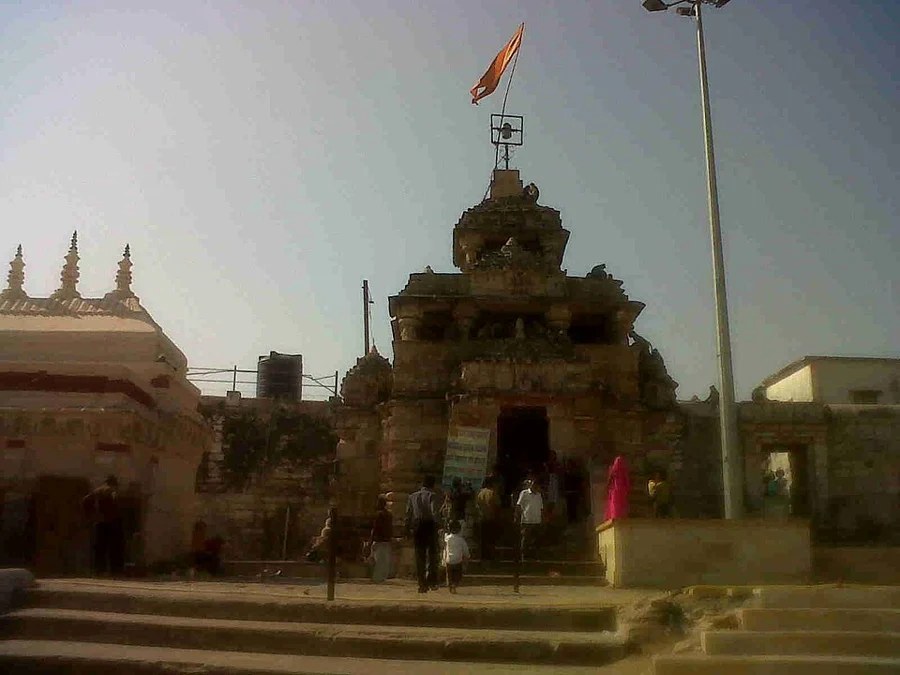
Ramtek: Gad Mandir
Ramtek’s hill shrine near Nagpur is linked in tradition with Rama’s exile; visitors explore the temple and its historic setting.