Pilgrimage places in Assam
Explore 20 major sacred places, including Kamakhya, Umananda, Hajo, Sivasagar and Vaishnavite satras. Read about worship, accommodation, compact photographs and rail routes from five cities.
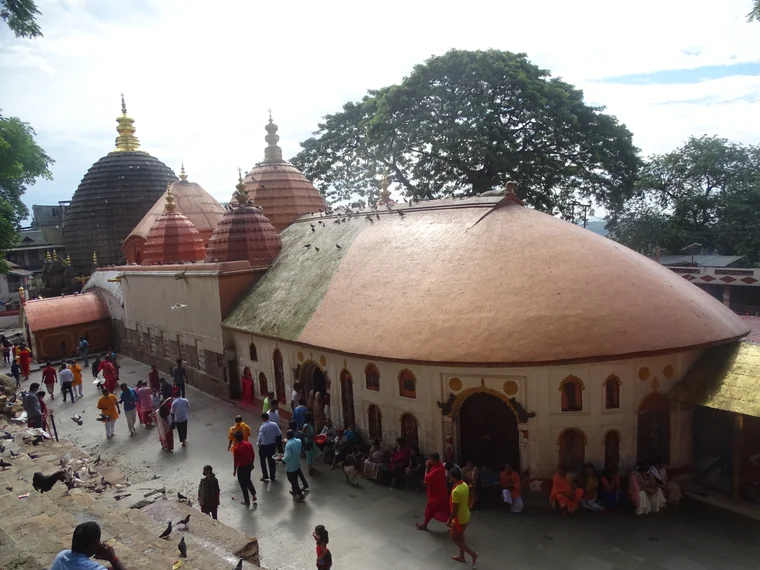
Kamakhya Devi Temple
Kamakhya on Guwahati’s Nilachal Hill is a renowned Shakti shrine. Worship centres on a natural rock formation. Check the official annual Ambubachi closure and reopening dates before planning darshan.
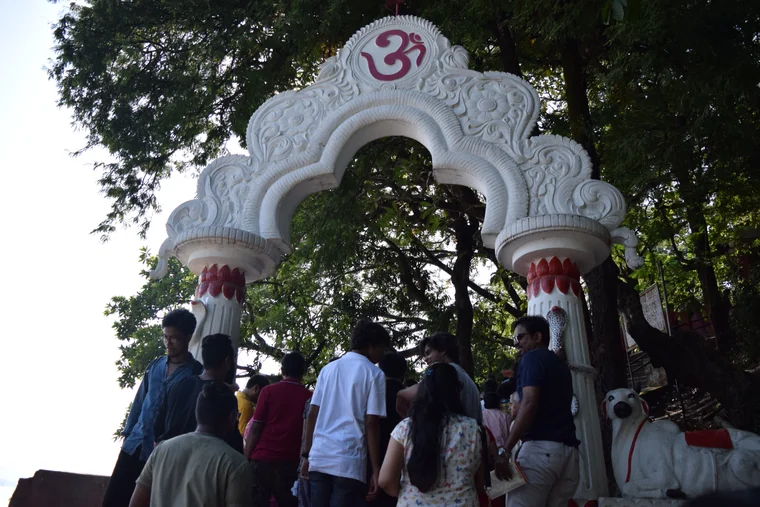
Umananda Shiva Temple
Umananda is a Shiva temple on an island in the Brahmaputra, with Ahom-era heritage. Reach it by an authorised ferry from Guwahati and confirm the final return sailing before crossing.
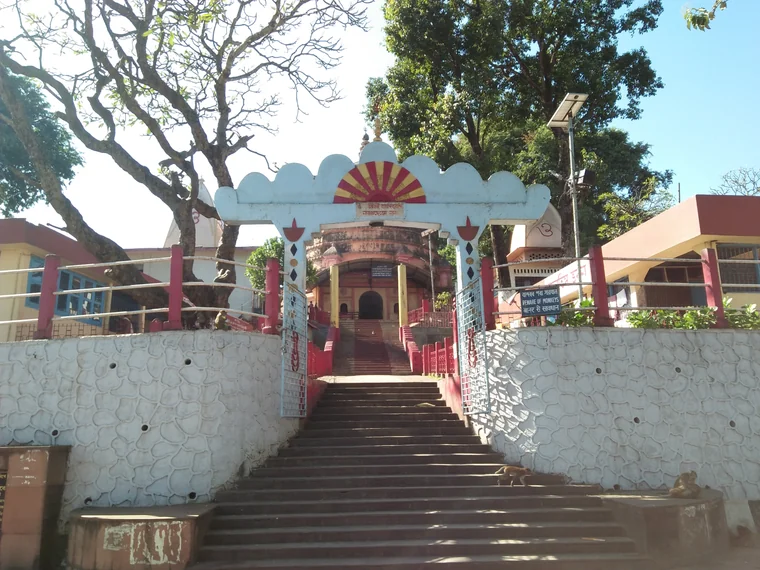
Navagraha Temple, Guwahati
This hilltop shrine is associated with worship of the nine celestial deities and Guwahati’s Pragjyotishpur tradition. Rituals are expressions of faith; no specific personal outcome is guaranteed.
Guwahati / Uzan BazarUgratara Devi Temple
Ugratara in Uzan Bazar is an important goddess shrine near the Jor Pukhuri tanks. Its Ahom-era heritage fits a Guwahati temple circuit. Ask about current worship and access arrangements.
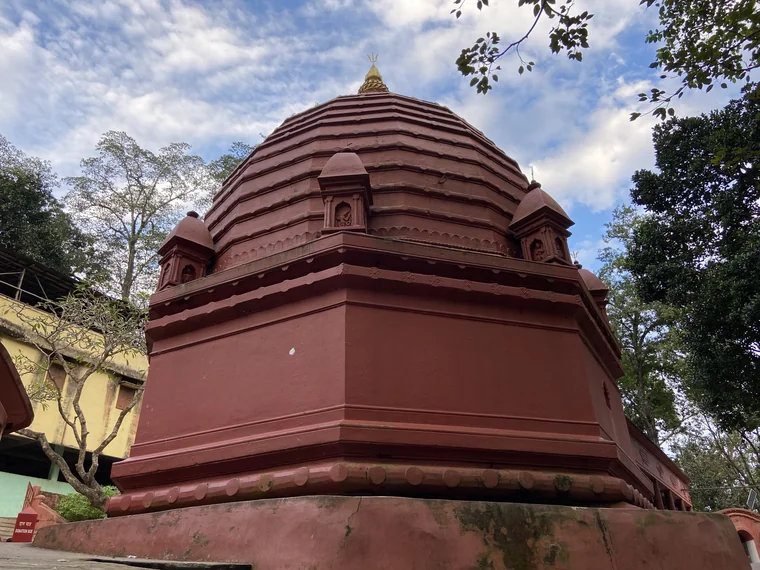
Basistha / Vashistha Ashram
Basistha Ashram in southern Guwahati is traditionally associated with sage Vashistha. Temple grounds and small streams shape its setting. Treat the association as devotional tradition and avoid slippery rocks during rain.
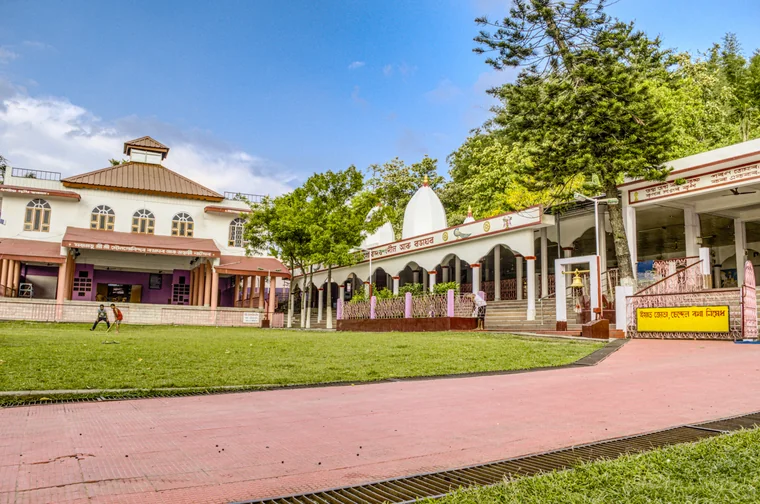
Doul Govinda Temple
Doul Govinda at Rajaduar, North Guwahati, honours Govinda and Shyamaray on the Brahmaputra’s north bank. Plan the river crossing by road and consider a North Guwahati circuit with Aswaklanta.
North GuwahatiAswaklanta / Aswakranta Vishnu Temple
Aswaklanta is a Vishnu shrine beside the Brahmaputra in North Guwahati. Local tradition connects its name with Krishna’s horses resting here. Distinguish this devotional story from the temple’s built heritage.
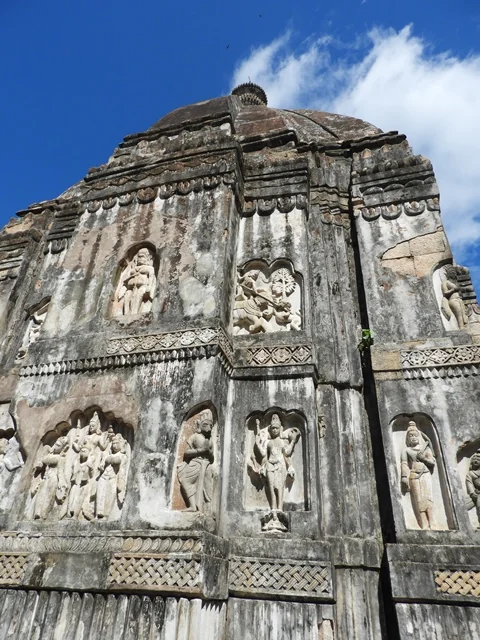
Hajo: Hayagriva Madhava Temple
Hayagriva Madhava is a major Vishnu shrine in Hajo, a town associated with Hindu, Buddhist and Muslim traditions. Allow time for the temple steps and other sacred sites on a day trip from Guwahati.
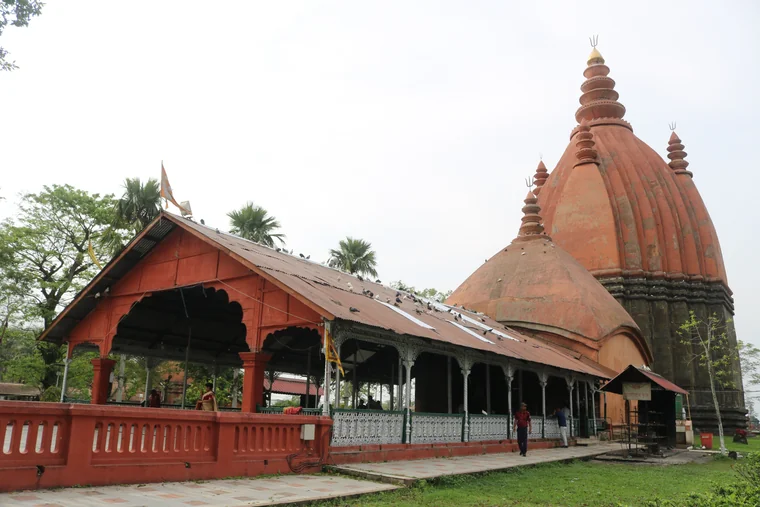
Sivasagar Shiva Dol, Vishnu Dol and Devi Dol
Shiva Dol, Vishnu Dol and Devi Dol stand beside the Sivasagar tank. Together they represent Ahom-era sacred architecture. Include all three in your visit; allow extra time around Mahashivratri.
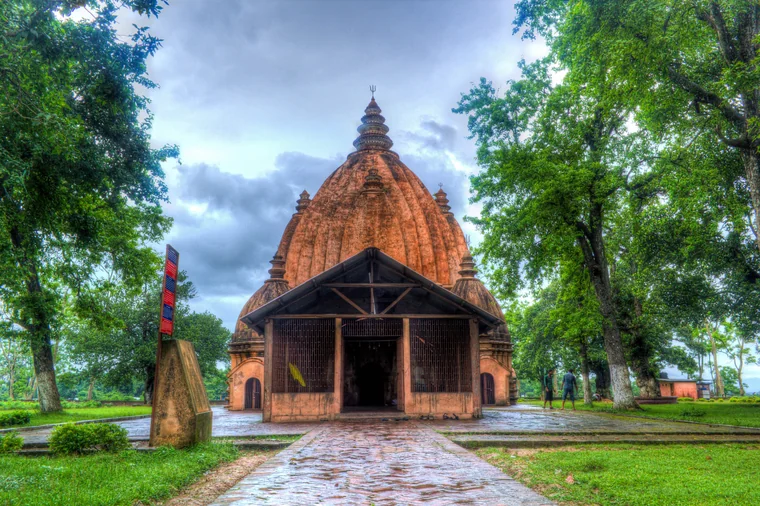
Negheriting Shiva Dol, Dergaon
Near Dergaon, the hilltop Shiva shrine is surrounded by Vishnu, Ganesha, Surya and Durga shrines in a Panchayatana arrangement. Allow time for the climb and secure food and belongings around monkeys.
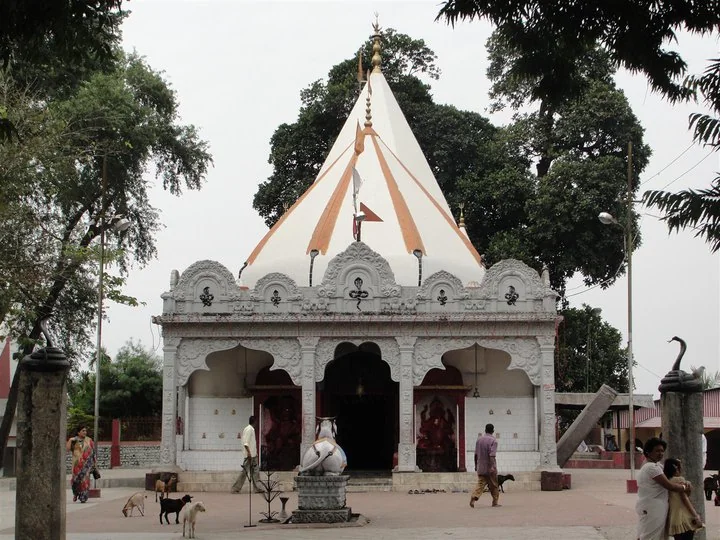
Mahabhairab Shiva Temple, Tezpur
Mahabhairab in Tezpur is a prominent Shiva shrine. Local devotional tradition links it with Banasura. Mahashivratri is a major celebration, so plan additional time for queues and return transport.
BiswanathBiswanath Ghat: Assam’s Gupta Kashi
Biswanath Ghat’s riverside temple cluster is known as Gupta Kashi. It combines Shiva worship with Brahmaputra heritage. Check river levels and local access before visiting, and keep clear of strong currents.
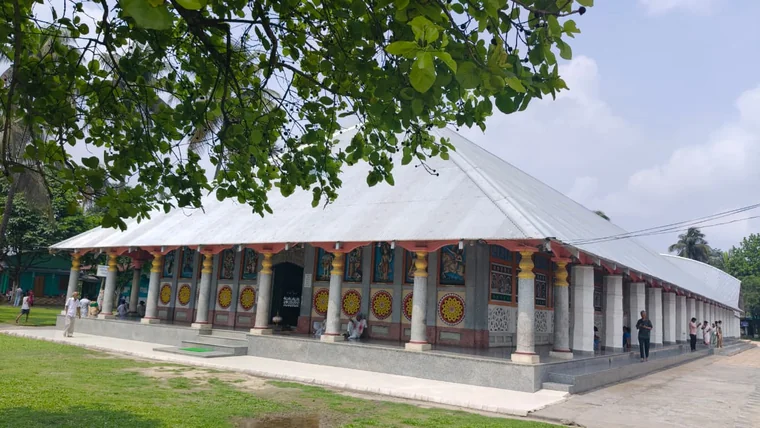
Barpeta Satra
Barpeta Satra, associated with Madhavdeva, is a major centre of Assam’s Ekasarana tradition. Its kirtan ghar supports congregational prayer. Ask the management about current access rules for each prayer area.
Batadrava / NagaonBatadrava / Bordowa Than
Batadrava near Nagaon is revered as Srimanta Sankardeva’s birthplace. Its namghar and kirtan tradition introduce Assamese Vaishnavite devotion. Allow time for worship and the surrounding heritage area, especially during Doul festivities.
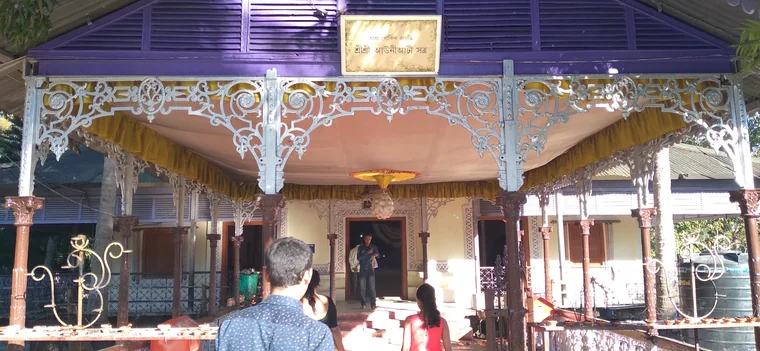
Majuli: Auniati Satra
Auniati Satra in Majuli is known for Vaishnavite worship, Paalnaam and Sattriya traditions. Heritage collections are part of the institution. Ask about prayer and collection access; performances are not guaranteed daily.
Majuli / DakhinpatMajuli: Dakhinpat Satra
Dakhinpat Satra is a living Vaishnavite institution in Majuli, associated with Krishna devotion and Raas Leela. Confirm festival dates, programmes and accommodation before travelling, with spare time for ferry connections.
Majuli / Uttar KamalabariMajuli: Uttar Kamalabari Satra
Uttar Kamalabari is a distinct Majuli satra within the Kamalabari tradition, preserving devotional music and Sattriya dance. Give your driver the full name to distinguish it from other Kamalabari institutions.
Majuli / GaramurMajuli: Garamur Satra
Garamur Satra forms part of Majuli’s Vaishnavite heritage, with Raas traditions and preserved historic objects. Ask about access to prayers and collections, and respect the institution’s residential areas.
Dhekiakhowa / JorhatDhekiakhowa Bornamghar
This congregational prayer centre in Jorhat district is associated with Madhavdeva. Kirtan and its tradition of maintaining a devotional lamp are important to worshippers. Observe prayers quietly and leave sacred objects undisturbed.
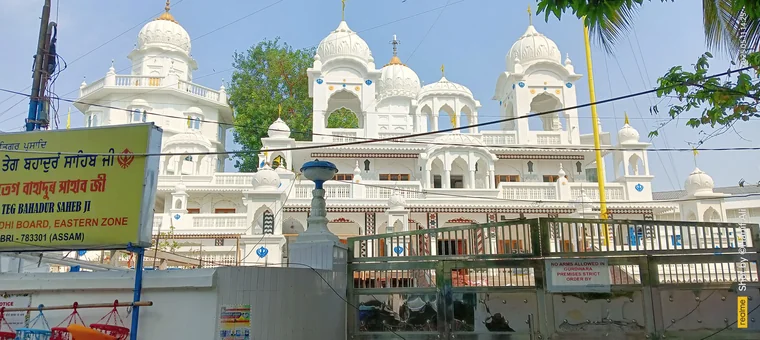
Dhubri: Sri Guru Tegh Bahadur Sahib Gurdwara
This Dhubri gurdwara by the Brahmaputra commemorates the Ninth Sikh Guru, Tegh Bahadur. Prayer, seva and langar are part of gurdwara tradition. Cover your head, remove shoes and confirm accommodation with management.